Rivers and Tides Uncover Sumer's Origins
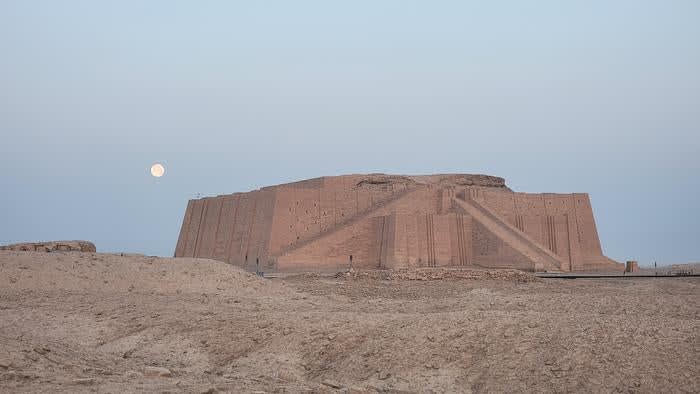
The Rise of the First Cities in Mesopotamia
The emergence of the first cities in southern Mesopotamia has long intrigued scientists and historians. Traditional narratives often highlight factors such as fertile soil, agriculture, and trade networks as key drivers of early urban development. However, new research is offering a fresh perspective, suggesting that the dynamic waters of the Persian Gulf played a crucial role in shaping the rise of Sumer.
A recent study published in PLOS ONE challenges the conventional understanding of how Sumer developed from the wetlands of ancient Iraq. According to researchers, tides, shifting coastlines, and changes in the delta were central to creating the conditions necessary for the world’s first cities.
The study was led by Liviu Giosan, Senior Scientist Emeritus at the Woods Hole Oceanographic Institution, and Reed Goodman of Clemson University. Using satellite mapping, drill core samples, and archaeological evidence, the team explored how water influenced both the landscape and the society of the Sumerians. Their findings suggest that tidal rhythms may have been the catalyst for the first great urban experiment.
“Our results show that Sumer was literally and culturally built on the rhythms of water,” said Giosan. “The cyclical patterns of tides together with delta morphodynamics were deeply woven into the myths, innovations, and daily lives of the Sumerians.”
A Landscape Powered by Tides
Between 7,000 and 5,000 years ago, the Persian Gulf extended much farther inland than it does today. Twice daily, tides pushed freshwater deep into the lower Tigris and Euphrates rivers. These surges created a reliable water supply for crops and palm groves.
Communities likely harnessed this dependable flow through short canals, ensuring irrigation without the need for large-scale engineering. This system supported farming, trade, and population growth. Improved harvests led to expanding settlements and the development of new social structures.
Eventually, this balance collapsed. As rivers built new deltas, tidal waters could no longer reach inland communities. Fields once sustained by natural cycles became dry, forcing farmers to dig canals and construct irrigation systems. This required cooperation, organization, and stronger political leadership—hallmarks of Sumer’s great city-states.
Myths Written in Water
Sumerian culture was deeply connected to water, and their myths and deities reflected this relationship. Researchers have linked flood myths and water-based deities to daily life, suggesting these stories may have mirrored the constant movement of tides, floods, and rivers.
“The radical conclusions of this study are clear in what we’re finding at Lagash,” said Holly Pittman, Director of the Penn Museum’s Lagash Archaeological Project. “Rapid environmental change fostered inequality, political consolidation, and the ideologies of the world’s first urban society.”
This research reframes the rise of Sumer as more than just a product of clever farming. It also highlights a response to shifting coasts and rivers.
Lessons in Change
The Lagash team used sediment samples, ancient environmental data, and satellite maps to reconstruct Mesopotamia’s changing coastlines. These findings reveal how quickly landscapes reshaped human choices. As tides retreated, societies had to reinvent their water systems. This need sparked large-scale irrigation, flood defenses, and centralized authority.
“Our work highlights both the opportunities and perils of social reinvention in the face of severe environmental crisis,” concluded Giosan. “Beyond this modern lesson, it is always surprising to find real history hidden in myth—and truly interdisciplinary research like ours can help uncover it.”
A Civilization Born of Water
Sumer’s achievements remain extraordinary. It gave the world writing, the wheel, and organized farming. Its city-states built governments, monumental architecture, and trade systems. But beneath those triumphs was a foundation of rivers, tides, and landscapes always in motion.
By reframing Sumer’s origins as a story of shifting waters, the study shows civilization as both fragile and adaptable. The restless environment that challenged early farmers also provided the spark for humanity’s first cities.

Post a Comment for "Rivers and Tides Uncover Sumer's Origins"
Post a Comment