Philly food truck owners claim retaliation after curfew defiance
Business Advocates Raise Concerns About Philadelphia's Enforcement Actions
Business advocates have raised concerns about recent enforcement actions by Philadelphia officials, alleging that the city is retaliating against two food truck owners who spoke out against an expanded business curfew. This issue has sparked a debate over the balance between public safety and the rights of small businesses.
The Institute for Justice’s Allegations
The Institute for Justice (IJ), a legal advocacy group, claims that city officials conducted an enforcement sweep on a pair of food truck owners shortly after they testified against the curfew at a council meeting on September 11. According to IJ, this action was part of a pattern of retaliation against those who oppose the policy.
In a letter sent to city officials, IJ senior attorney Erica Smith Ewing highlighted the timing of these enforcement actions as "impossible to ignore." She urged the city to retain all records and correspondence related to the sweeps, a common step when preparing for potential legal action.
City Officials Deny the Claims
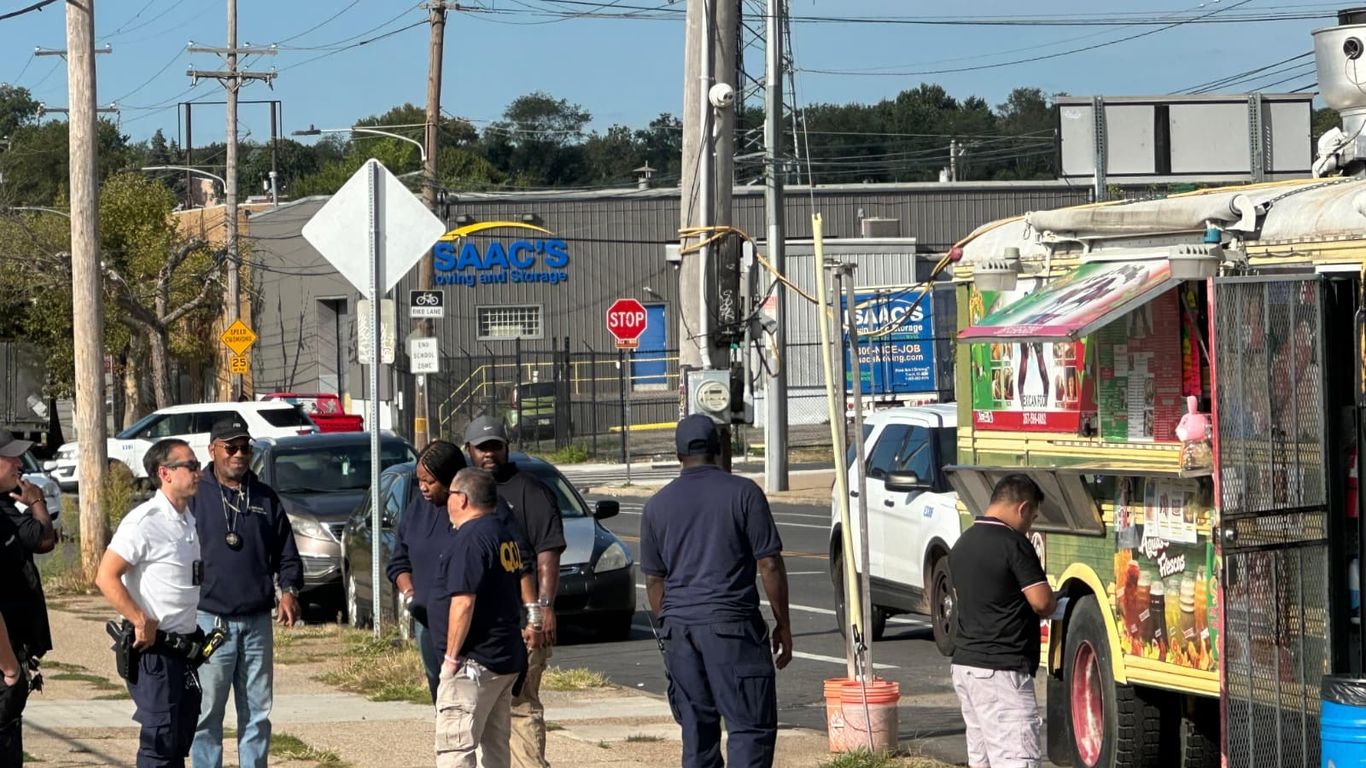
Philadelphia city spokesperson Sharon Gallagher has denied the allegations, stating that the September 11 enforcement sweep was "preplanned." She confirmed that one of the food truck owners who testified against the curfew was towed for having an expired permit and cited for an illegal electrical hookup. Another three trucks were also cited during the same operation.
Some members of the City Council expressed frustration with IJ’s involvement, suggesting that the organization does not fully understand the local dynamics of Philadelphia’s neighborhoods.
A History of Legal Challenges
The Institute for Justice has a long history of challenging government actions across the United States. One notable case involved the arrest of a former Castle Hills, Texas, city council member, which reached the U.S. Supreme Court. This case set a precedent for what constitutes evidence of government retaliation, potentially strengthening any future legal challenges brought on behalf of the Philly food truck owners.
In 2014, IJ also led a civil forfeiture case against the city of Philadelphia, resulting in a consent decree and a $3 million settlement.
The Expanded Curfew and Its Impact
The newly implemented curfew requires businesses in certain parts of the city to close between 11 p.m. and 6 a.m. While the policy is currently not being enforced for 60 days, violators could face fines of up to $1,000. The city aims to reduce crime and improve quality-of-life issues through this measure.
However, some opponents argue that the curfew negatively impacts small businesses and limits access to essential services for overnight workers. For example, Alta Cocina Restaurant chef José Luis told Axios through a translator that he has stopped operating his food truck past 11 p.m. due to fears of being fined. As a result, he has lost approximately 80% of his daily income and had to lay off two of his five employees.
What’s Next?
The Institute for Justice has stated it will "closely monitor" the city’s conduct. The situation highlights the ongoing tension between local regulations and the rights of small business owners. As the enforcement period approaches, the outcome of this dispute could have significant implications for similar cases across the country.

Post a Comment for "Philly food truck owners claim retaliation after curfew defiance"
Post a Comment