Obama Condemns Trump's Kimmel Threats
The Rise of Regulatory Threats and the Impact on Free Speech
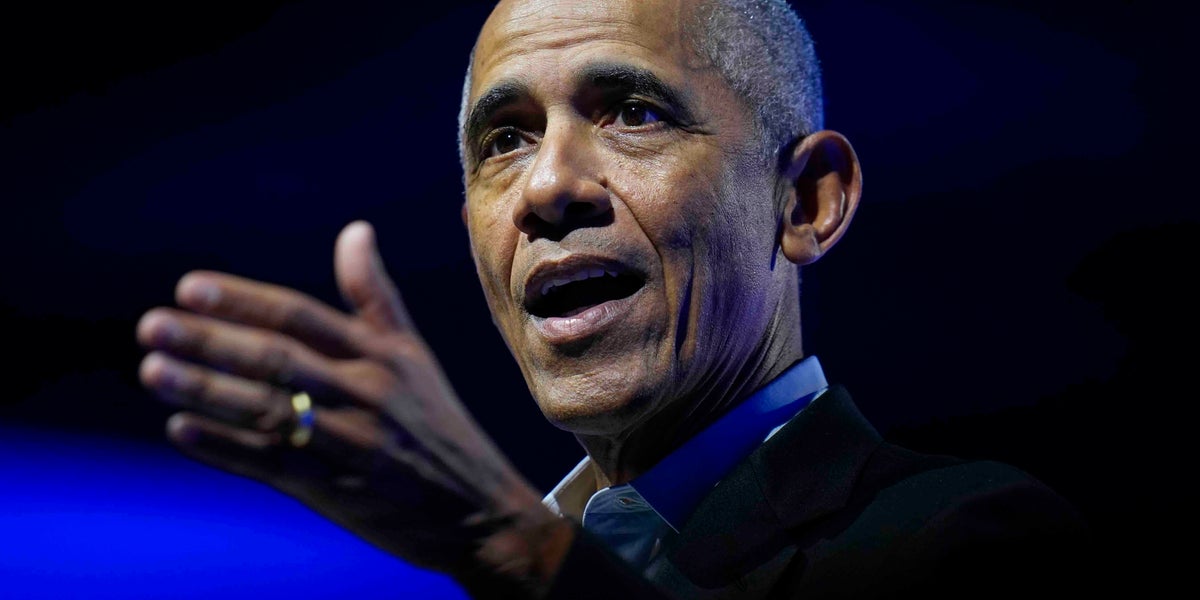
Former President Barack Obama has voiced strong concerns over the current administration’s approach to media outlets, particularly highlighting the targeting of “Jimmy Kimmel Live!” as a troubling example of how cancel culture is being weaponized. In a post on X, Obama criticized the Trump administration for taking cancel culture to a “new and dangerous level” by using threats of regulatory action against media companies unless they silence reporters and commentators who criticize them.
Obama pointed to a Vox article that detailed ABC's decision to pull Jimmy Kimmel from the air as an act of capitulation to pressure from Trump officials. The piece emphasized that Kimmel, a well-known late-night comedian, was taken off the air because the administration disapproved of his comments. This move raised serious questions about the government’s influence on free speech and its willingness to use regulatory power to suppress dissenting voices.
ABC decided to indefinitely pull Kimmel’s show after facing backlash from conservative groups following the host’s remarks about Charlie Kirk’s killing in a recent monologue. This decision came shortly after FCC Chair Brendan Carr, a key figure in the Trump administration, made a chilling threat to Disney, suggesting that the agency could revoke individual stations’ licenses if they did not take action against Kimmel.
In response to Carr’s comments, Nexstar, a company with a pending merger with Disney, announced that dozens of its affiliate stations would stop airing Kimmel due to concerns over his statements. This led to ABC’s decision to pull the show entirely. The situation has sparked widespread concern about the potential for government interference in media operations and the implications for freedom of expression.
Government Pressure and Media Compliance
The actions taken by the Trump administration have not only targeted Kimmel but also extended to other media figures. For instance, The Washington Post recently fired opinion columnist Karen Attiah, who was let go after sharing social media posts on gun violence and racial double standards following Kirk’s killing. Obama condemned this move, stating that it reflects the kind of government coercion the First Amendment was meant to prevent.
Attiah responded to Obama’s support by noting that her last column in The Washington Post had been a critique of the former president. She highlighted that while her work was respectful, the current administration seems to be leveraging its power to silence those who disagree with it.
This incident underscores a growing trend where media companies are increasingly pressured to conform to political agendas rather than uphold journalistic integrity. The fear of regulatory penalties has created an environment where some outlets may choose compliance over resistance, even when it means suppressing important voices.
Regulatory Scrutiny and Political Rhetoric
Brendan Carr, the FCC Chair, has made it clear that he is willing to scrutinize broadcasters' licenses if he believes they are not operating in the public interest. He has accused Comcast and its outlets of engaging in “news distortion.” This rhetoric has emboldened the Trump administration to call for the revocation of licenses for major networks like ABC and NBC.
These developments raise critical questions about the role of the government in shaping media content and the potential consequences for free speech. As the lines between regulatory oversight and political pressure blur, there is a growing concern that the media landscape will become more controlled and less diverse.
The Broader Implications
The events surrounding Kimmel and Attiah highlight a broader issue: the increasing use of regulatory power as a tool for political control. When media companies face threats of license revocation or other penalties, they may feel compelled to self-censor to avoid repercussions. This creates a chilling effect on independent journalism and undermines the principles of a free press.
As these incidents continue to unfold, it is essential for media organizations to stand firm in their commitment to truth and transparency. The First Amendment was designed to protect individuals from government coercion, and it is crucial that media outlets do not succumb to pressure that compromises their mission. The balance between regulatory oversight and free speech must be carefully maintained to ensure that the public continues to have access to diverse perspectives and reliable information.

Post a Comment for "Obama Condemns Trump's Kimmel Threats"
Post a Comment