Net Zero Cash Cuts Leave Malawi Villagers in the Lurch
Labour's Shift in Aid Policy: A Focus on National Priorities
The UK government, led by the Labour Party, is making significant changes to its overseas aid strategy. As part of a broader effort to reallocate resources, millions of pounds in funding for net zero projects are being cut. This decision reflects a shift in priorities, with the aim of redirecting funds toward national defense and other domestic initiatives.
One of the most notable cuts involves a £95 million project aimed at increasing welfare payments in Jordan. Additionally, a £120 million initiative focused on improving education in Pakistan has also been scrapped. These decisions come as part of a larger plan to reduce the UK’s overseas aid budget to just 0.3% of national income by 2027. This figure is significantly lower than the official target of 0.7%, which the UK has historically committed to.
This move is not only about reducing spending but also about redefining the UK’s role in global development. Baroness Chapman, the development minister, has emphasized the need for the UK to transition from an aid donor to a partner and investor. She has outlined a vision where every pound spent on aid must deliver tangible benefits for both UK taxpayers and the communities it supports.
Impact on Climate Resilience Projects
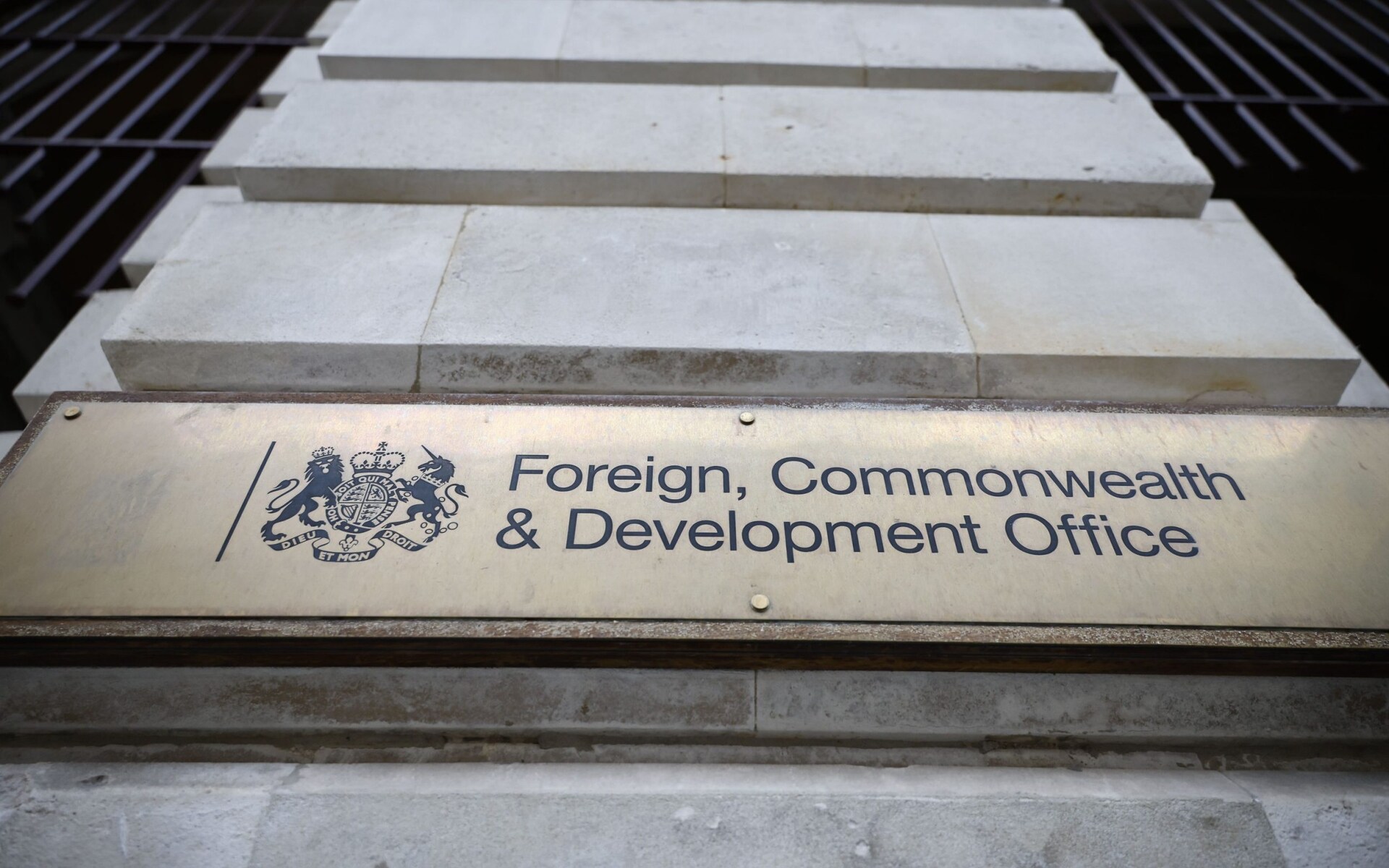
A key area affected by these cuts is climate resilience programs. The Foreign, Commonwealth and Development Office (FCDO) will end a scheme that provides £4.6 million annually to improve climate resilience in Malawi. Under this program, cash was directly given to individuals in vulnerable communities, allowing them to build stronger homes, adopt better farming practices, and access critical weather data.
The funding also supported financial and business training, helping recipients make informed decisions about adapting to climate change. However, this program will now be discontinued as part of the government’s new approach.
Other climate-related projects are also being axed. A £3.9 million initiative aimed at enhancing climate resilience and promoting low-carbon development in Iraq will no longer receive UK support. Similarly, a comparable scheme in Jordan will also be terminated.
Education and Global Financial Reform
In addition to climate initiatives, the FCDO is scaling back its direct involvement in education projects. Instead of funding education in Pakistan directly, the UK will provide advisory and systems support to the country’s government. This includes ending the £120 million Girls and Out of School Children: Action for Learning program, which targeted the governments of Punjab and Khyber Pakhtunkhwa.
Other initiatives that funded officials from developing countries to attend international meetings or assist in making infrastructure projects more affordable in low-income nations are also being eliminated. Notably, one such project had been launched despite the UK’s struggles with the rising costs of the HS2 high-speed railway.
Economic Returns from Aid Spending
While many projects are being cut, some aid efforts have shown positive economic returns. According to the FCDO’s accounts published in July, most of the UK’s foreign aid does not yield a financial return. However, the UK is finally seeing a profit from its aid to India, generating £13 million in 2024-25. This marks a significant milestone, as India gained independence from the UK 78 years ago.
Despite this success, the government remains focused on ensuring that future aid investments deliver measurable impact. The shift in policy underscores a broader effort to align aid spending with national interests while maintaining a commitment to global development.

Post a Comment for "Net Zero Cash Cuts Leave Malawi Villagers in the Lurch"
Post a Comment