My Journey Through Chronic Lyme Disease: A Patient's Struggle and a Doctor's Insight
Understanding Chronic Lyme Disease
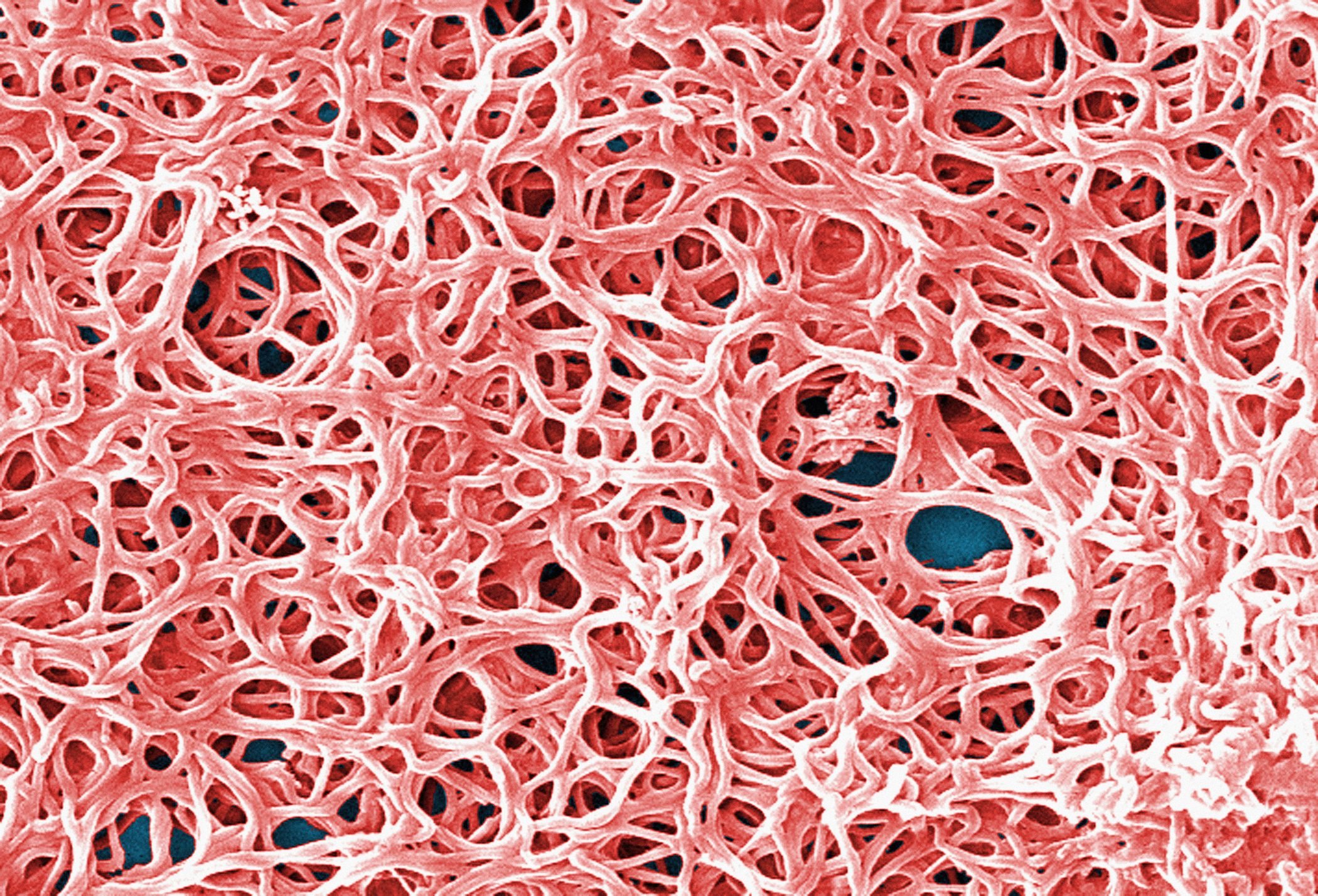
Lyme disease is a bacterial infection caused by Borrelia burgdorferi, typically transmitted through tick bites. While early-stage Lyme can often be cured with antibiotics, chronic Lyme disease presents a far more complex challenge. Amy Offutt, MD, a board-certified integrative medicine physician and president of the International Lyme and Associated Diseases Society (ILADS), explains that chronic Lyme is a multi-system illness lasting at least six months and caused by an ongoing infection. This condition is difficult to diagnose and treat due to overlapping symptoms with other diseases and the lack of a single definitive test.
The Patient's Journey: A Story of Struggle and Hope
Christian Scarborough from Texas has spent decades searching for answers to his persistent health issues. Growing up on a farm in Virginia, he was exposed to ticks but never considered them a threat. As a teenager, he began experiencing symptoms like fatigue, joint pain, and cognitive issues, but doctors misdiagnosed him with arthritis and prescribed medications that did not address the root cause. Over time, his condition worsened, leading to multiple joint replacements and severe gastrointestinal problems.
After years of frustration and misdiagnoses, Christian finally found a doctor who recognized the signs of chronic Lyme disease. His neuropathy, characterized by tingling and numbness in his fingers and shin pain, was a key clue. Tests revealed he had three vector-borne illnesses, requiring specialized molecular DNA analysis. This diagnosis brought a sense of validation, as it confirmed what he had long suspected.
Treatment Challenges and Strategies
Treating chronic Lyme disease is not one-size-fits-all. Dr. Offutt emphasizes that treatment often involves a combination of antibiotic therapy and supportive care. Patients may need to address inflammation, nutritional deficiencies, immune dysfunction, and co-existing conditions. For Christian, this included a strong IV antibiotic called Rocephin, a fecal transplant for recurrent C. diff infections, immunoglobulin antibodies, low-dose naltrexone, ozone therapy, procaine IV treatments, and a low-FODMAP diet.
Mental health care is also crucial, as chronic illness can lead to anxiety and depression. Christian notes that gut health plays a significant role in overall well-being, and his compromised gut microbiome has affected his mental state.
Living with Chronic Lyme Disease
Despite the challenges, Christian remains optimistic. He acknowledges that recovery is a slow process, but he is making progress. However, setbacks such as severe arthritis flare-ups and digital mucosal cysts continue to impact his quality of life. His active lifestyle, including martial arts, has been affected, and he now focuses on maintaining his weight and gradually returning to exercise.
Causes and Risk Factors
Dr. Offutt suggests that underlying health vulnerabilities, such as pre-existing illnesses, poor nutrition, chronic stress, and inadequate initial treatment, may contribute to the persistence of Lyme disease. Christian believes his own case may have been influenced by complications from his birth and the emotional strain of losing his mother to pancreatic cancer. He notes that the infection can lie dormant and reactivate when the immune system is weakened.
When to Seek Help
If you suspect you have chronic Lyme disease, it is important to consult a healthcare provider experienced in diagnosing and managing tick-borne illnesses. Key signs include persistent fatigue, muscle and joint pain, cognitive difficulties, neurological symptoms, unexplained fevers, and symptoms that interfere with daily life. Dr. Offutt recommends bringing a detailed history of symptoms, prior tick or flea exposure, and treatments received to your appointment.
Addressing Stigma and Improving Care
There is still stigma surrounding chronic Lyme disease within the medical community. Many patients feel more informed about their condition than the clinicians they consult. Dr. Offutt emphasizes the need for ongoing education, clinical humility, and a patient-centered approach to care. She encourages those with concerns to seek out providers familiar with the ILADS approach.
By raising awareness and advocating for better understanding, patients and healthcare professionals can work together to improve outcomes for those living with chronic Lyme disease.

Post a Comment for "My Journey Through Chronic Lyme Disease: A Patient's Struggle and a Doctor's Insight"
Post a Comment