Maggie Pagano: Norway's Election to Outdo a Hitchcock Thriller
A Political Drama Unfolding in Norway
Norway’s general election is shaping up to be one of the most dramatic political events in recent history, surpassing even the excitement of popular TV dramas. This election has captured the attention of many, not just because of its significance for the country but also due to the intense political tension and public debate surrounding key issues.
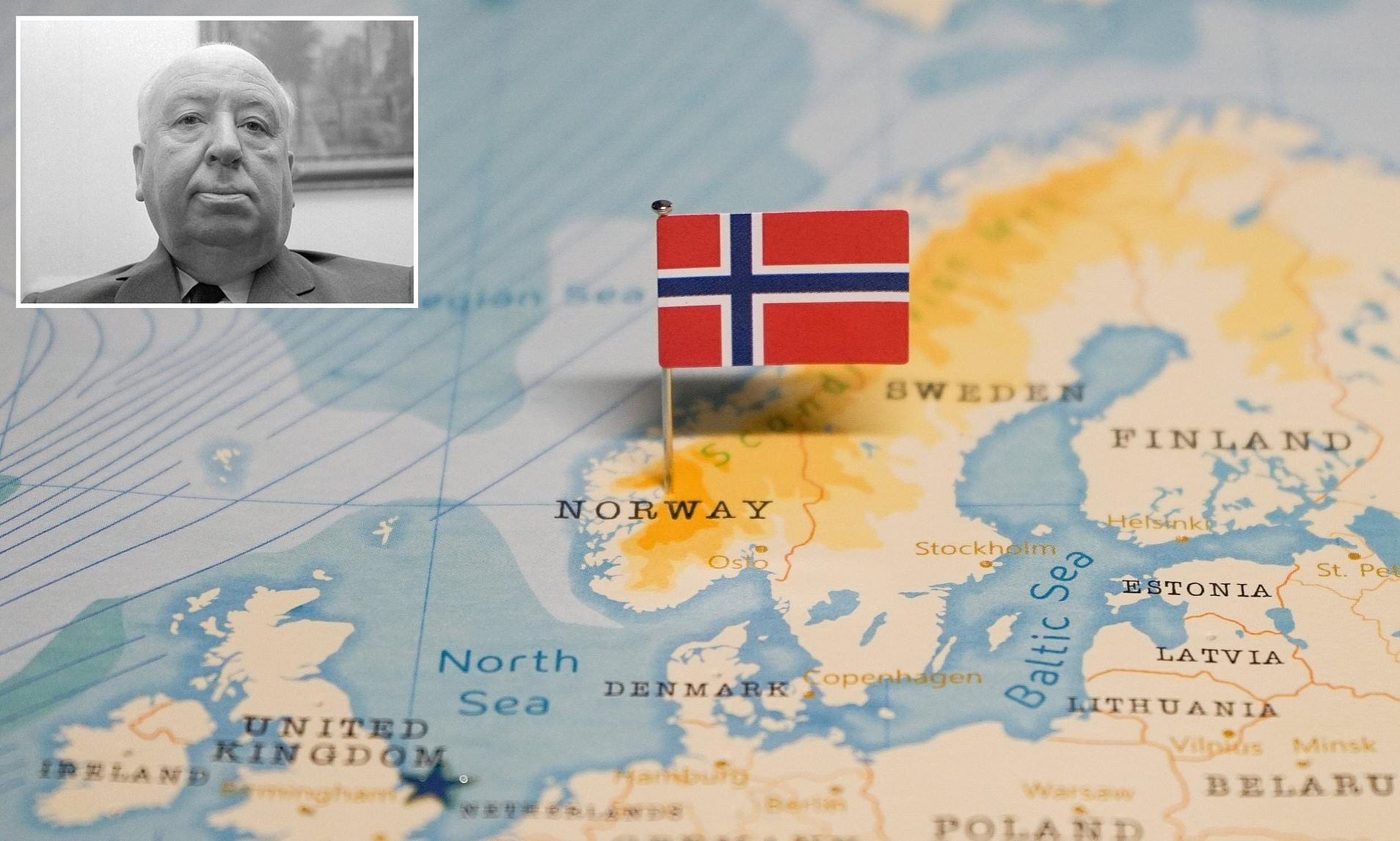
At the heart of the current political turmoil is the controversy over Norway's wealth tax. This tax has become a major point of contention, leading to the departure of many of the country's wealthiest individuals who have moved their businesses and assets abroad. The situation has drawn comparisons to a real-life thriller, with some experts calling it more thrilling than any work by Alfred Hitchcock.
The Norwegian Labour Party, currently in power, is facing a potential downfall as the public becomes increasingly dissatisfied with the policies that have led to this exodus of talent and capital. This has raised concerns among European leaders, who are looking to implement similar taxes to bolster their own financial systems. However, there is a growing argument that such measures could backfire, as seen in Norway, where the new levy has resulted in a decline in start-ups and investment.
This double-whammy of losing both human capital and financial investment has sparked a debate about fairness. Many Norwegians, known for their egalitarian values, feel that the current tax system is unjust. Domestic business owners are required to pay a levy, while foreign entities operating in Norway are not subjected to the same rules. This inequality has eroded support for Prime Minister Jonas Gahr Store and his Labour Party.
In an effort to regain public confidence, the Labour Party has brought in former Prime Minister and NATO chief Jens Stoltenberg as Finance Minister. He has pledged to review all taxes if the party is re-elected, signaling a potential shift in policy.
Despite being the largest single party with around 26% of the vote, the Labour Party will need support from smaller left-wing parties to form a government. Pollsters suggest that the political landscape could shift enough to allow the Progress Party and the Conservatives to form a center-right coalition. These parties have campaigned on the promise of gradually eliminating the wealth tax, with Progress leader Sylvi Listhaug emphasizing the slogan: "Your money, your freedom."
Another significant issue in the election is high immigration. Listhaug has advocated for net zero immigration, a stance that has resonated with a segment of the population. Additionally, Norway's $2 trillion sovereign wealth oil fund, typically apolitical, has become a focal point of controversy. Recent news that the fund increased its stake in an Israeli jet parts maker led to public outrage and a government order to review its investments in Israel and related companies.
The fund has since divested from Israeli banks and companies with ties to the region, citing "unacceptable risk." This move has drawn accusations of political interference from the opposition and caused tensions with the United States. The Trump administration is considering retaliatory actions after the fund sold $1 billion worth of shares in Caterpillar, a U.S. construction machinery company, claiming its equipment is used in Gaza.
As the election approaches, more developments are expected. Later this autumn, the Nobel Peace Prize committee in Oslo will announce this year's winner, adding another layer of intrigue to the political scene. For now, the stage is set for a dramatic and unpredictable outcome.

Post a Comment for "Maggie Pagano: Norway's Election to Outdo a Hitchcock Thriller"
Post a Comment