Kevin Hassett: Fed Policy Must Stay Independent From Presidents
The Debate Over Federal Reserve Independence
The issue of the Federal Reserve's independence from political influence has become a central topic in recent discussions, particularly as President Donald Trump continues to explore potential candidates for the next chair of the central bank. Kevin Hassett, the director of the National Economic Council, recently emphasized the importance of maintaining this independence, stating that monetary policy must remain free from political interference.
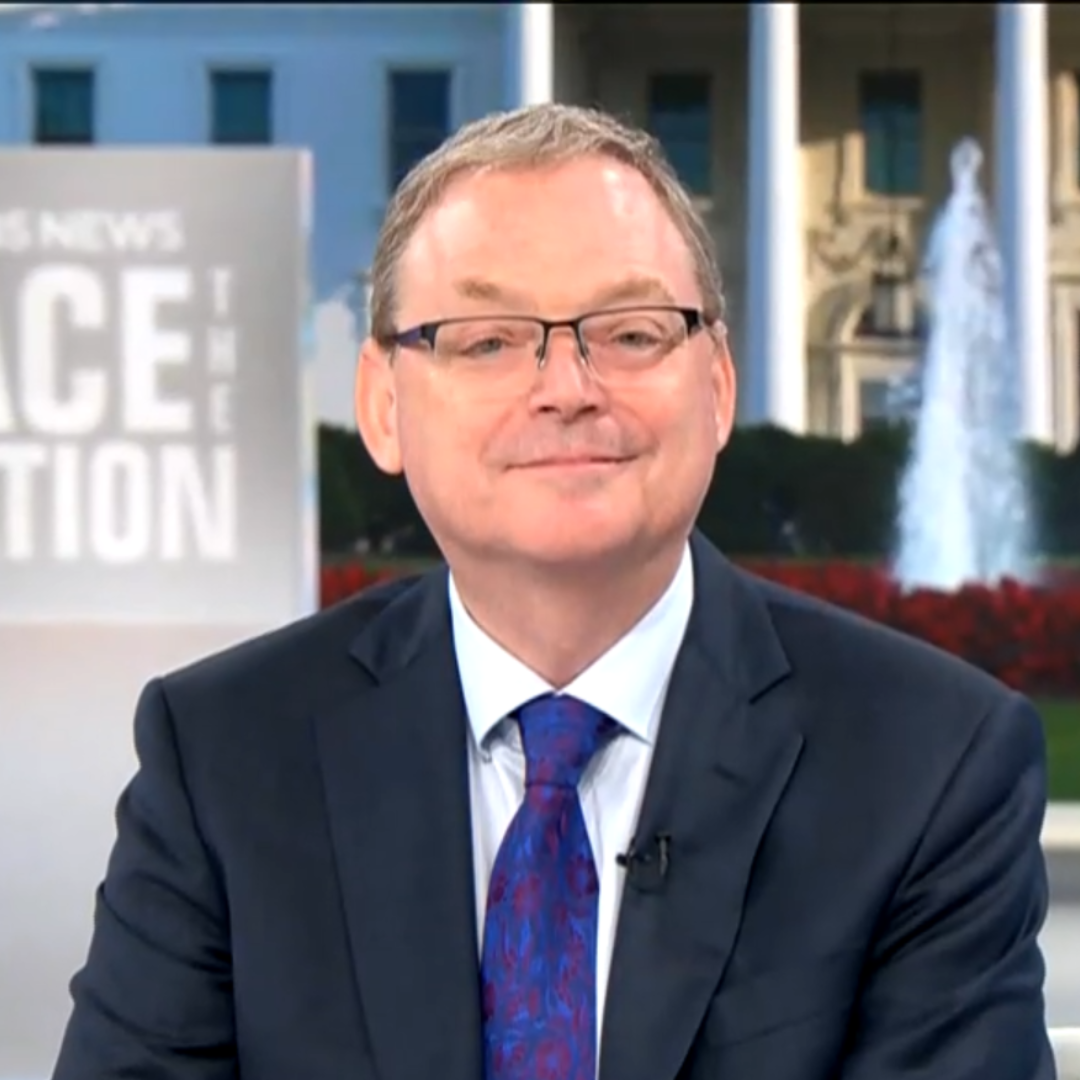
Hassett made these remarks during an appearance on "Face the Nation with Margaret Brennan," where he highlighted the risks associated with allowing political leaders to exert control over central banks. He pointed out that countries where leaders have taken over central banks often face higher inflation and economic hardship for consumers. This perspective aligns with broader concerns about the Fed's autonomy, especially given the pressure placed on current Chair Jerome Powell by the administration.
Political Pressure and Central Bank Dynamics
Powell's tenure has been marked by significant scrutiny from the White House, particularly regarding interest rate decisions. This has led to questions about whether the central bank is being influenced by presidential directives. Hassett noted that both Democrats and Republicans generally agree on the need for central bank independence, but there are ongoing debates about how independent and transparent the current Fed is.
Treasury Secretary Scott Bessent also weighed in on the matter, calling for a comprehensive review of the Federal Reserve in a Wall Street Journal op-ed. He argued that issues like mission creep and institutional bloat could threaten the central bank's independence. While Hassett expressed agreement with Bessent's views, he did not commit to implementing specific changes if he were to become the next Fed chair.
Candidates and Concerns
In addition to Hassett, other names have been floated as potential replacements for Powell. These include Federal Reserve Governor Christopher Waller and former Governor Kevin Warsh. However, the process has not been without controversy. Recent actions by the Trump administration, such as attempting to remove Federal Reserve Governor Lisa Cook and appointing a top economic aide to another position on the board of governors, have raised concerns about the Fed's independence.
Stephen Miran, Trump's nominee for a vacant seat on the Federal Reserve Board of Governors, faced criticism after testifying before Congress. During his hearing, Miran acknowledged that his selection was based on his alignment with the president's policy views. Despite this, he pledged to act independently if confirmed, emphasizing the importance of the Fed's independence for the economy and financial markets.
Public Opinion and Economic Indicators
Public opinion reflects the growing concern over the Fed's independence. A CBS News poll released Sunday found that 68% of Americans want the Federal Reserve to make decisions independently from the president. However, only 59% of Republicans support this view, indicating a partisan divide on the issue.
These developments come amid mixed economic data. The latest jobs report showed that U.S. employers added 22,000 jobs in August, falling short of expectations. Hiring in July was also lower than anticipated, complicating the Fed's decision-making process as it prepares to consider a rate cut in September.
Conclusion
As the debate over the Federal Reserve's independence continues, the balance between political influence and economic stability remains a critical issue. The upcoming decisions by the central bank will be closely watched, not only for their economic impact but also for their implications on the institution's long-term credibility and independence.

Post a Comment for "Kevin Hassett: Fed Policy Must Stay Independent From Presidents"
Post a Comment