"How I Knew I Had Myocarditis": A 46-Year-Old's Near-Death Experience After COVID
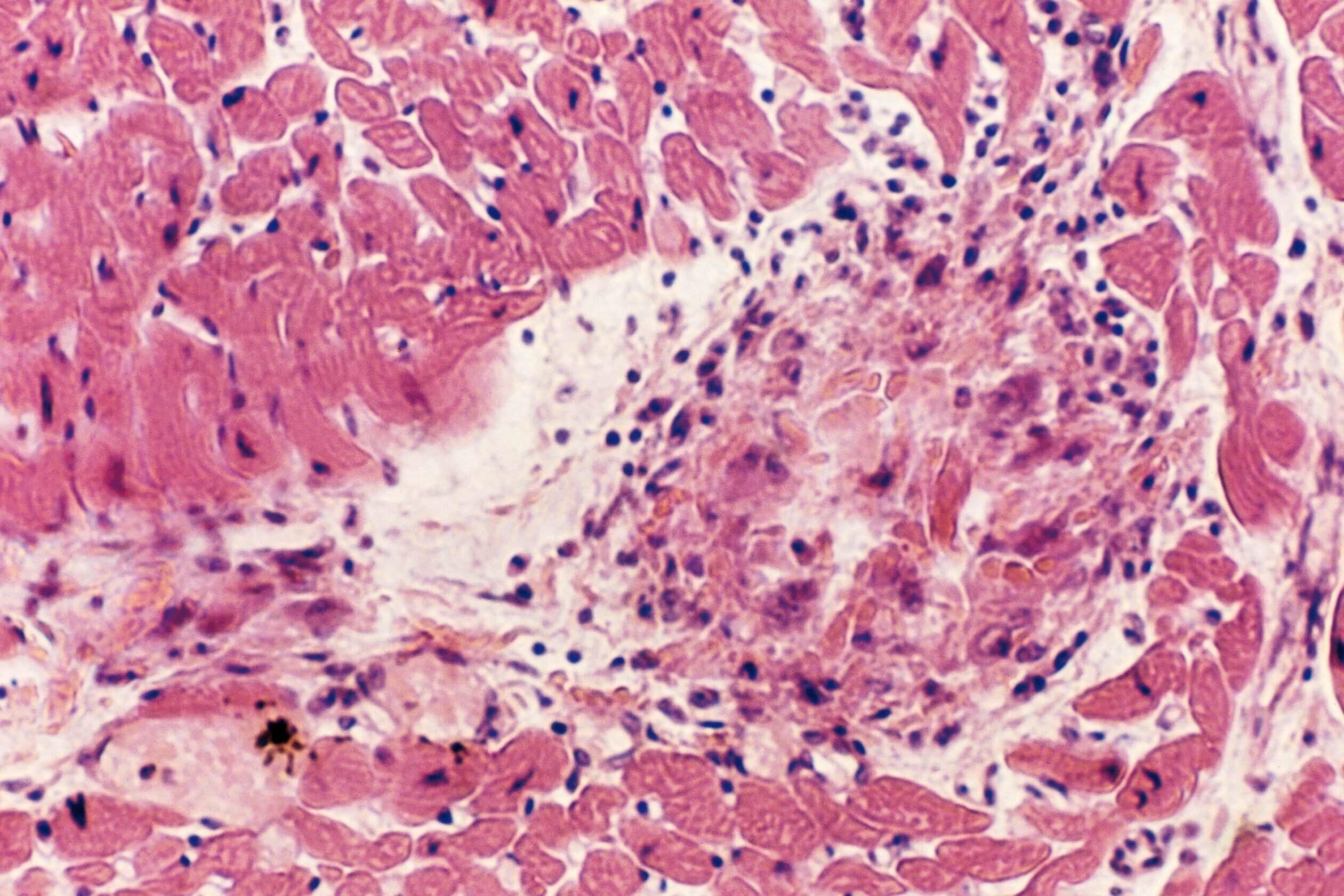
The Rising Concern of Myocarditis in Young People
Heart disease is no longer just a concern for older adults. In recent years, there has been a noticeable increase in heart problems among younger individuals, particularly in the wake of the global pandemic. One of the leading causes of this trend is myocarditis, an inflammation of the heart muscle that can lead to severe complications, including heart failure and even the need for a heart transplant.
Dr. Christopher Mahida, a physician specializing in interventional cardiology at Mercy Health in Ohio, highlights that myocarditis is becoming more prevalent among young people, especially men. “It’s dangerous because it can weaken the heart, leading to heart failure,” he explains. “This inflammation can reduce the heart’s pumping ability as well. It may also cause abnormal heart rhythms, which can lead to sudden cardiac arrest.”
Understanding Myocarditis and Its Causes
Myocarditis often develops from a viral infection, autoimmune disease, or reaction to medications or toxins. However, Dr. Mahida points out a strong link between myocarditis and COVID-19. Research published in the World Journal of Cardiology in 2025 found that COVID-19 increases the risk of myocarditis in young people more than other viral infections, even in otherwise healthy individuals.
Men are also more at risk, according to Dr. Mahida. “The immune response in males tends to be more aggressive, which can cause more inflammation after infection,” he says. “Additionally, testosterone may promote inflammation, whereas estrogen is thought to be cardioprotective.”
A Patient's Experience with Myocarditis
Tim Shuckman, a 46-year-old man, shares his personal story of how a mild case of COVID led to severe heart failure. “In 2024, I was probably in the best shape of my life since college,” Tim recalls. “Then right around this time last year, I came down with COVID following a work trip. It really wasn’t bad—I felt like I had the flu for a few days—back up and running and working out within probably four days.”
However, about two weeks later, Tim experienced what he thought was a rebound of the virus. His symptoms included fluid in his lungs, shortness of breath, lethargy, and swelling in his limbs. He was diagnosed with pneumonia, but things quickly took a turn.
Recognizing the Signs of Heart Failure
Tim describes the moment he realized something was seriously wrong: “I actually ran three and a half miles that morning and was like, Something’s off. Then I was on a work Zoom call and I could barely speak.” Later that night, he struggled to breathe when lying flat, which he learned was one of the main signs of heart failure.
“I come to find out that’s like the number one sign of heart failure: your lungs build up all this fluid in them and you can’t breathe,” he says. At this point, Tim was rushed to the hospital and eventually flown to a specialized facility.
Severe Myocarditis Diagnosis and Treatment
Dr. Mahida made the critical decision to insert an Impella pump, a small mechanical device that temporarily helps the heart pump. “I don’t remember any of this, but Dr. Mahida was the physician who decided to immediately put in an Impella pump to help my heart… a call which, ultimately, I believe ended up saving my life.”
Tim’s condition was extremely severe. After five days in a medically induced coma, he woke up to learn that his heart was functioning at less than 5% capacity. His doctors prepared for a potential heart transplant while waiting to see if his heart would recover.
A Remarkable Recovery
For about a month, Tim’s heart and kidneys were supported by two Impella pumps, ECMO (a system that pumps oxygenated blood), and dialysis. His recovery was slow but steady, and eventually, his heart began to show improvement. By the time he left the hospital, his ejection fraction had improved to 55%, a significant milestone.
Tim credits his lifestyle and mindset for his recovery. He adopted an “I get to” mentality, focusing on small, manageable goals each day. This approach helped him regain strength and confidence.
Life After Severe Myocarditis
Today, Tim continues to focus on a heart-healthy lifestyle. While he enjoys bourbon in moderation, he no longer engages in extreme physical activities like marathons or triathlons. Instead, he embraces a balanced approach to wellness, taking every day as a blessing.
What to Do If You Think You Have Myocarditis
Dr. Mahida advises young people to listen to their bodies and seek immediate medical attention if they experience symptoms such as chest pain, fatigue, shortness of breath, skipped heartbeats, or swelling in the belly or legs. “Quick action is the key for patients with severe myocarditis response—early mechanical support doesn’t just save damage to the heart, but it can also save damage to other organs.”
As the post-COVID era continues, the link between viral infections and myocarditis remains a growing concern. Doctors emphasize the importance of monitoring for symptoms and maintaining a healthy lifestyle to reduce the risk of heart disease.

Post a Comment for ""How I Knew I Had Myocarditis": A 46-Year-Old's Near-Death Experience After COVID"
Post a Comment