High Court Condemns State for Underfeeding Palestinian Prisoners, Defying Ben Gvir
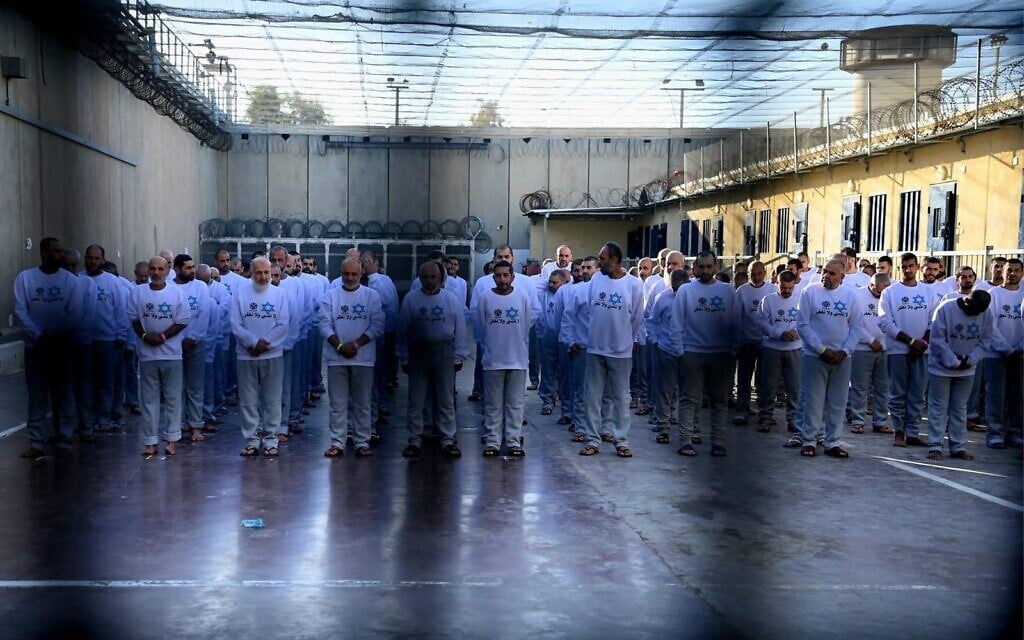
Legal Ruling Highlights Inadequate Nutrition for Palestinian Security Prisoners
The High Court of Justice recently issued a significant ruling, stating that the state has failed to meet its legal obligations in providing adequate food to Palestinian security prisoners. The court ordered the government to take immediate steps to ensure these prisoners receive enough nutrition to sustain a basic existence. This decision was reached by a narrow two-to-one majority, signaling a strong rebuke of far-right National Security Minister Itamar Ben Gvir, who has been pushing for harsher conditions for inmates.
In her written opinion, Judge Daphne Barak Erez emphasized that the information provided by petitioners and the Israel Prison Service (IPS) raised serious doubts about the adequacy of the food being supplied to security prisoners. She noted “indications” that the current nutrition levels were insufficient, which led the court to conclude that the state had not fulfilled its responsibilities.
The ruling came after petitions filed by the Association for Civil Rights in Israel (ACRI) and Gisha organizations in April 2024. These groups accused Ben Gvir and the IPS of deliberately reducing prisoner rations below subsistence levels, effectively starving Palestinian security prisoners. The petitions highlighted testimonies from released prisoners who described suffering from constant hunger and poor-quality food, with some losing tens of kilograms in weight over a short period.
Judge David Mintz dissented from the majority opinion, arguing that the responses from the National Security Ministry and the IPS were sufficient to meet the state’s legal obligations. He expressed confidence in the nutritional program and its implementation on the ground.
Ben Gvir, who holds authority over the IPS, publicly acknowledged reducing the quality of rations for Palestinian prisoners since the outbreak of conflict with Hamas in Gaza. He claimed the new rations still met minimum legal requirements, but his policies have drawn criticism from human rights organizations.
Barak-Erez anticipated criticisms from Ben Gvir, noting that the painful accounts of freed Israeli hostages show that stricter food regimes do not improve the situation of those still held in captivity. She also pointed out that all security prisoners, including Israeli citizens, are subject to Ben Gvir’s policies, regardless of their involvement in the October 7 atrocities or the fighting in Gaza.
The judge stressed that food should not be used as a form of punishment and that considerations other than prisoners' nutritional needs are not legitimate. She emphasized that even if a nutritional program meets legal standards in theory, it must be properly implemented on the ground to ensure prisoners actually receive the allocated rations.
The state argued that the menu approved by the IPS for security prisoners includes 2300 calories a day and has been updated following the petitions. However, ACRI and Gisha reported continued complaints from Palestinian prisoners about starvation and weight loss. Barak-Erez wrote that the state of Israel is a state of law, and providing adequate nutrition is fundamental to the rule of law.
She also rejected claims by the IPS that it sufficiently tracks the effects of the new rations on prisoners, noting that regular checks comparing prisoners’ nutritional status upon entry and during their stay have not been conducted. The judge pointed out that the information presented raised real doubts about the actual nutritional status of security prisoners, undermining the presumption of reliability usually afforded to the state.
While the ruling was welcomed by human rights organizations, Ben Gvir and Justice Minister Yariv Levin criticized the decision, questioning the judges’ loyalty to Israel. They argued that while hostages are being starved in tunnels, the court is focusing on improving food for “terrorists.” Despite this backlash, the court's decision remains a crucial step toward ensuring the basic rights of Palestinian security prisoners.

Post a Comment for "High Court Condemns State for Underfeeding Palestinian Prisoners, Defying Ben Gvir"
Post a Comment