Government Calls Her Lawn 'Unsightly,' But She's Fighting to Keep It That Way
The Rise of Rewilding in American Suburbs
In the United States, the image of a perfectly manicured lawn has long been a symbol of suburban life. However, this traditional ideal is being challenged by a growing movement known as rewilding. Advocates argue that replacing conventional lawns with native plants offers numerous environmental and financial benefits, such as reducing water usage, preventing flooding, restoring natural habitats, and supporting pollinators. Yet, not everyone shares this vision. In some areas, rewilding is seen as messy, unattractive, and even against local regulations.
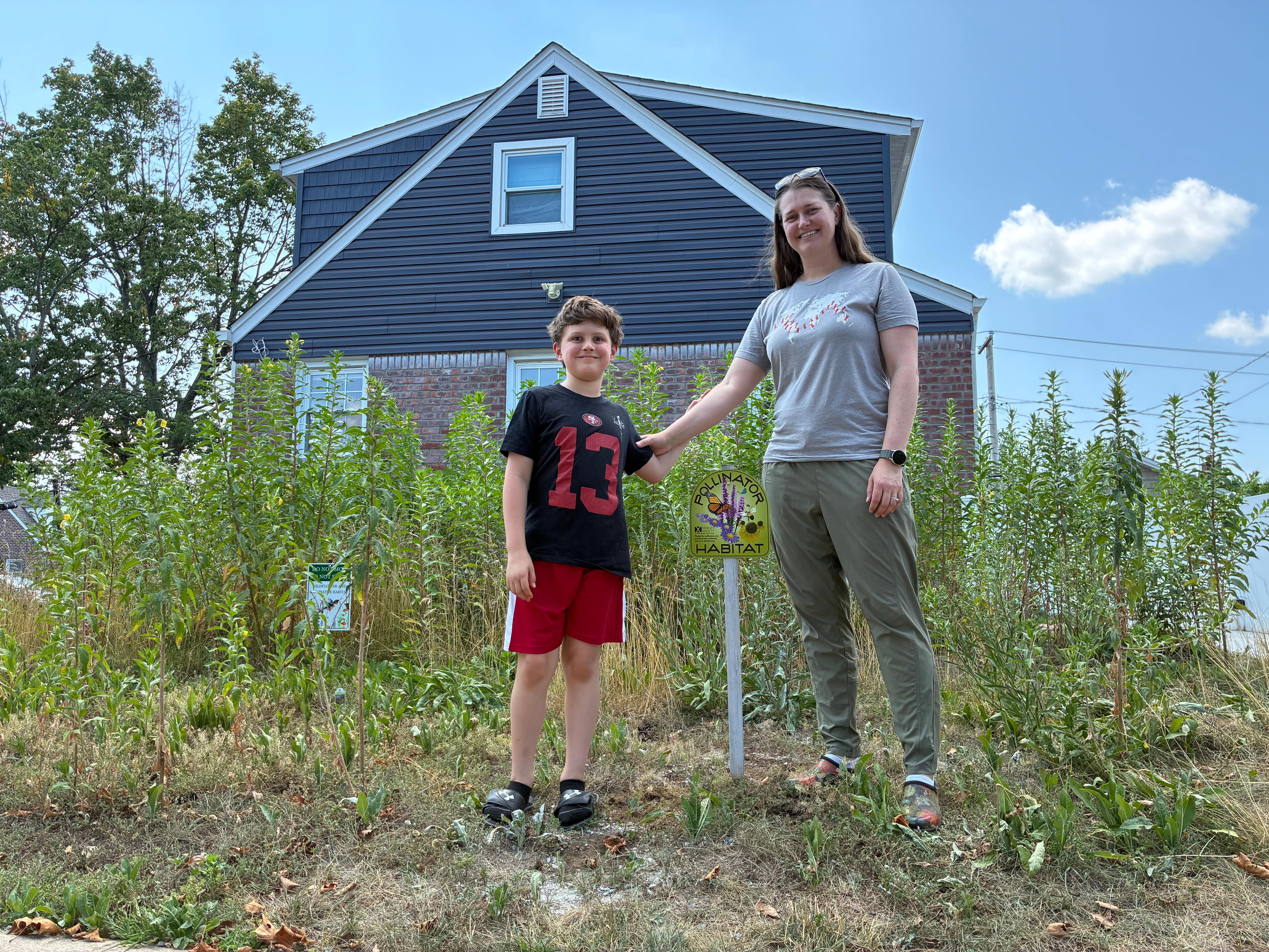
This debate is now playing out in Williston Park, New York, where a science teacher named Aimee Kemp is fighting to keep her native plants despite facing citations from village officials. Kemp, 37, recently appeared in court for charges related to her yard, which she claims reflects an outdated approach to property maintenance. Her family's yard, once a typical lawn, now features milkweeds, perennials, and fruit trees. While they still maintain a smaller grass area in the backyard, they have significantly reduced their mowing and watering, saving money and improving their property’s resilience to heavy rains.
Kemp believes that many people are unfamiliar with alternatives to traditional lawns, especially those who have lived in areas dominated by grass for most of their lives. She explains that her son, Auron, has been learning about the diverse plant life in their yard and helping to identify invasive species. Despite these efforts, the village has labeled her front yard as “unsightly,” leading to fines and legal action.
The Challenges of Rewilding
Rewilding is not without its challenges. On Long Island, residents who have tried to incorporate native plants have faced thousands of dollars in fines. Some neighbors express concerns about the appearance of these yards and worry that they might lower property values. However, there are signs of progress. In nearby New Hyde Park, a similar case was resolved through communication and compromise. A resident agreed to keep her plants under four feet tall, showing that it is possible to balance environmental goals with community standards.
While some officials remain resistant, others recognize the value of native gardens. Christopher Devane, mayor of New Hyde Park, emphasized that while he may not personally prefer rewilded lawns, they can be implemented in a way that respects both the environment and local regulations.
Environmental Benefits of Native Plants
The shift toward native plants is not just about aesthetics; it has significant environmental implications. According to Deryn Davidson, a sustainable landscape specialist at Colorado State University, native plants can help combat issues like droughts and floods. Their deep root systems allow them to absorb more water during heavy rains and store it during dry periods. This is particularly important as climate change leads to more frequent and severe weather events.
Additionally, native plants play a crucial role in supporting biodiversity. With insect populations declining globally, these plants provide essential habitats and food sources. Matthew Shepherd, education director at the Xerces Society, notes that even small garden spaces can make a meaningful difference for local wildlife. When one person starts planting native species, it often inspires others in the neighborhood to do the same, creating a network of green spaces that benefit insects and other creatures.
A Growing Movement
Kemp’s efforts have sparked interest in her community. She and her son organized a “Native Plant Day” at their local library, where over two dozen people attended. Participants shared tips on managing invasive species and discussed ways to overcome social resistance to wilder landscapes. Vivek Jain, a pharmacist, is taking steps to transition his yard to native plants, though his wife is still hesitant.
Marshall Brown, president of the Long Island Conservancy, encouraged attendees to stay committed to their goals. Kemp, for her part, is determined to continue her work, hoping that her example will inspire others to embrace rewilding.
As the movement grows, so too does the conversation around what it means to care for the land. For many, rewilding is not just about plants—it’s about creating a more sustainable future.

Post a Comment for "Government Calls Her Lawn 'Unsightly,' But She's Fighting to Keep It That Way"
Post a Comment