Germany's 1970s Left-Wing Terror Backfired—Trump Should Learn From It
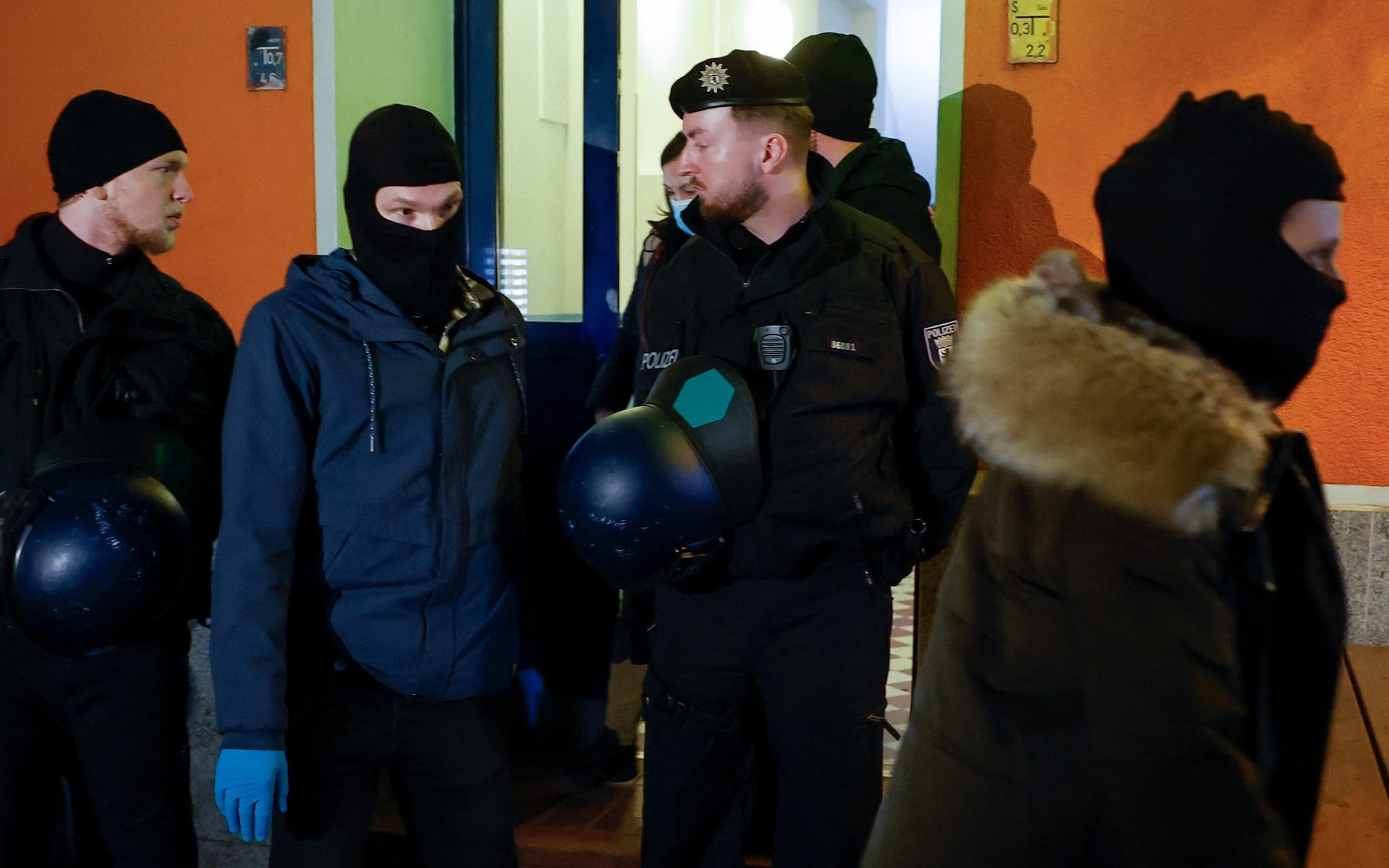
The Dangers of Labeling Antifa as Terrorists
Donald Trump has suggested that Antifa should be classified as a terrorist organization. This idea might seem appealing at first, especially considering the group's potential for violence and destruction. However, it is essential to understand that what appears to be moral activism often masks political aggression and street-level intimidation. The temptation to suppress such groups with strong state measures is understandable, but history shows that this approach can lead to significant consequences.
Germany's experience with the Red Army Faction (RAF) in the 1970s and 80s serves as a cautionary tale. The RAF and other radical groups engaged in armed robberies, bombings, and assassinations, which were not just protests but acts of war against democracy. In response, the German government expanded police powers, broadened anti-terrorism laws, and increased surveillance. These actions led to a collapse of the line between militant extremism and ordinary dissent. Simply attending the wrong lecture or associating with the wrong people could result in being labeled a suspect.
This environment of suspicion and fear had long-lasting effects on German society. Civil institutions began to conflate dissent with danger, leading to a culture where freedom became conditional and fragile. The balance between liberty and security was disrupted, and even today, Germans continue to grapple with these issues.
The impact of the RAF period extended beyond legal changes. It tore through the social fabric of post-war Germany, which was built on moderation and bourgeois values. The radicalization of the late 1960s and the subsequent violence overwhelmed the young democracy. As a result, a "modish Left-radicalism" took root in universities, the arts, and media, eventually influencing the security state itself.
Today, Germany's public broadcasters reflect a monotone range of opinions, from the soft Left to the hard Left. Conservative-leaning programs face challenges, and figures like Angela Merkel are celebrated while others are silenced. This monoculture of opinion weakens the middle ground and reduces pluralism. Those who deviate from the progressive consensus are often seen as morally suspect, and the habit of excluding opponents rather than engaging in debate persists.
Moreover, by focusing solely on left-wing terrorism, the German state overlooked the growing threat of far-right extremism. The National Socialist Underground murders in the 2000s revealed how unaddressed this threat was, with files destroyed and responsibility avoided. This highlights the dangers of an overly narrow focus on one form of extremism.
Labeling Antifa as a terrorist organization could have unintended consequences. It might target not only extremists but also students, activists, and journalists who are loosely associated with the movement. This could permanently coarsen the political culture, potentially backfiring on future administrations.
Germany’s experience with the RAF years shows how suspicion, fear, and mistrust become part of civic life. America risks repeating this cycle by clamping down too hard on Antifa, which could radicalize its supporters. Ignoring far-right threats could invite another Oklahoma City bomber. Repression tends to feed polarization rather than suppress it.
The assassination of Charlie Kirk has already been used as political capital, with media voices in Germany portraying the victim as responsible. In America, the situation is no different, with figures like Jimmy Kimmel facing backlash over jokes. Pam Bondi, the US attorney general, has vowed to wage war on "hate speech," which is often framed as morality but is actually an authoritarian tactic.
If comedians are canceled and ministers draft gag laws, America has already learned the wrong lesson from Germany. Once leaders decide that speech itself is the problem, the boundaries of freedom contract permanently. What started as a war on terror evolved into a war on trust, pluralism, and debate. The Federal Republic survived, but it did so scarred.
Antifa is indeed dangerous, corroding civil life and cloaking itself in false moral legitimacy. However, it can and should be prosecuted under existing law. The lesson from Germany is clear: once dissent is treated as terrorism, and freedom becomes negotiable, a democracy has already surrendered half the fight.

Post a Comment for "Germany's 1970s Left-Wing Terror Backfired—Trump Should Learn From It"
Post a Comment