Explainer: Understanding Formal Recognition of Palestine
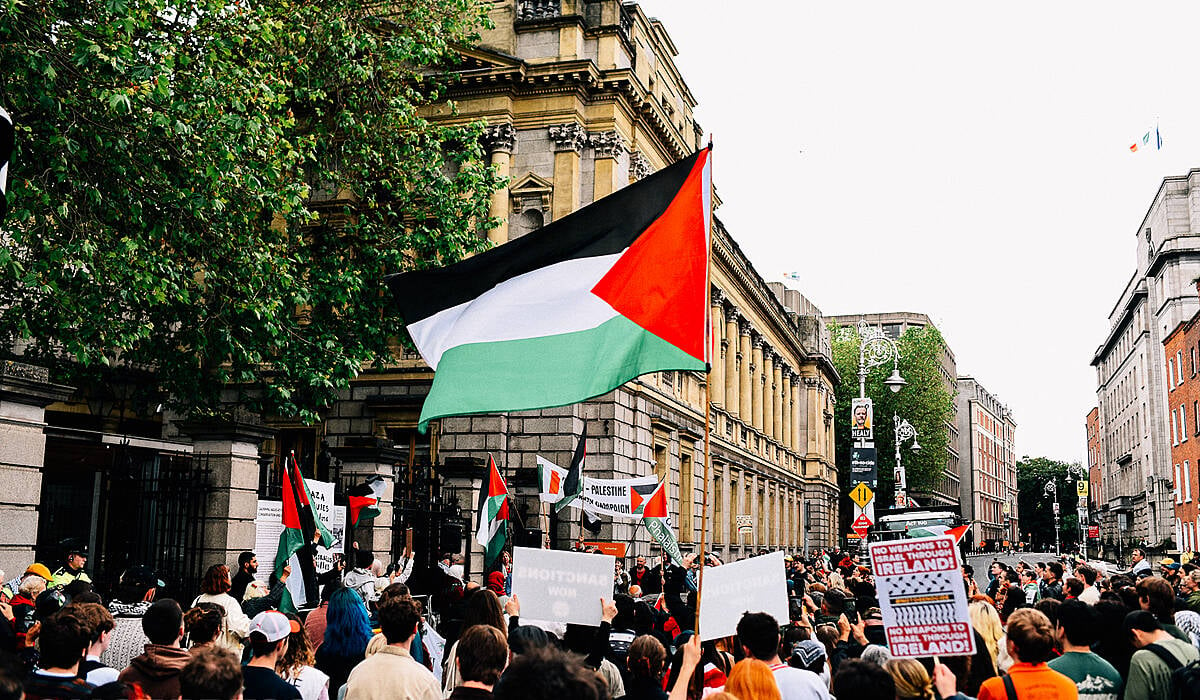
The United Kingdom Recognizes the State of Palestine
The United Kingdom has officially recognized the State of Palestine, according to Prime Minister Keir Starmer, who described the move as a moral obligation to sustain the hope for peace. This decision comes amid deteriorating humanitarian conditions in Gaza and increasing global pressure on Israel to reconsider its policies. Aid entering the region remains heavily controlled by Israel, which continues to deny responsibility for widespread food shortages.
The UK is now among several nations that have extended recognition to Palestine in recent months, joining Canada, Australia, Ireland, Spain, and Norway. This shift reflects a growing international sentiment that the status quo is no longer sustainable.
What Does Recognition Mean?
Recognition of Palestine is primarily symbolic but carries significant weight. The Palestinian Authority already functions like a state, with over 80 embassies worldwide and observer status at the United Nations. Diplomatic recognition enhances its international legitimacy and signals frustration with Israel’s actions in Gaza and the West Bank.
Ireland has consistently argued that recognition is crucial for maintaining the possibility of a two-state solution—a vision of an independent Israel and an independent Palestine coexisting side by side. Foreign Secretary David Lammy echoed this sentiment, stating that recognition helps preserve the chance for peace.
Understanding the State of Palestine
Palestine is divided into two main territories: Gaza and the West Bank. Gaza has been under the control of Hamas since 2007 and is currently the focal point of Israel’s military operations. The West Bank is governed by the Fatah-led Palestinian Authority, although much of the area remains under Israeli administration. Military checkpoints, settlements, and restricted movement have fragmented Palestinian communities.
The Palestinian Authority directly governs only 17% of the West Bank, yet it includes most of the Palestinian population. Meanwhile, approximately 500,000 Israeli settlers reside in West Bank settlements, many of which are considered illegal under international law. These settlements are supported by the current government led by Benjamin Netanyahu.
Is a Two-State Solution Still Possible?
The two-state solution has long been the preferred model for resolving the conflict, though it has never been realized. Israel remains opposed, and negotiations have stalled for years. Some experts believe that recognition could be a step toward restarting dialogue. Israeli analyst Yossi Mekelberg noted that while the two-state model may not be perfect, the core issue is ensuring equal rights for both Israelis and Palestinians. He emphasized the need for a solution that guarantees political, civil, and human rights for all.
Why Now?
Public opinion has shifted dramatically following the October 7th attacks by Hamas and Israel’s subsequent war in Gaza, which has resulted in thousands of deaths and deepened hunger in the region. Mekelberg remarked that it is alarming that the international community has taken so long to respond to the suffering of civilians. He called for a ceasefire, the release of hostages, and the reconstruction of Gaza.
Countries That Recognize Palestine
More than 140 countries now officially recognize the State of Palestine. These include Ireland, Spain, Norway, Sweden, Brazil, South Africa, China, and most Arab and Muslim-majority nations. Other recognizing states include:
- Norway, Algeria, Bahrain, Indonesia, Iraq, Kuwait, Libya, Malaysia, Mauritania, Morocco, Somalia, Tunisia, Turkey, Yemen, Sahrawi Republic (Western Sahara), Afghanistan, Bangladesh, Cuba, Jordan, Madagascar, Malta, Nicaragua, Pakistan, Qatar, Saudi Arabia, United Arab Emirates, Serbia, Zambia, Albania, Brunei, Djibouti, Mauritius, Sudan, Cyprus, Czech Republic, Slovakia, Egypt, The Gambia, India, Nigeria, Seychelles, Sri Lanka, Namibia, Russia, Belarus, Ukraine, Vietnam, China, Burkina Faso, Comoros, Guinea, Guinea-Bissau, Cambodia, Mali, Mongolia, Senegal, Hungary, Cape Verde, North Korea, Niger, Romania, Tanzania, Bulgaria, Maldives, Ghana, Togo, Zimbabwe, Chad, Laos, Sierra Leone, Uganda, Congo, Angola, Mozambique, São Tomé and Príncipe, Gabon, Oman, Poland, DR Congo, Botswana, Nepal, Burundi, Central African Republic, Bhutan, Rwanda, Ethiopia, Iran, Benin, Kenya, Equatorial Guinea, Vanuatu, Philippines, Eswatini, Kazakhstan, Azerbaijan, Turkmenistan, Georgia, Bosnia and Herzegovina, Tajikistan, Uzbekistan, Papua New Guinea, South Africa, Kyrgyzstan, Malawi, East Timor, Paraguay, Montenegro, Costa Rica, Lebanon, Ivory Coast, Venezuela, Dominican Republic, Brazil, Argentina, Bolivia, Ecuador, Chile, Guyana, Peru, Suriname, Uruguay, Lesotho, South Sudan, Syria, Liberia, El Salvador, Honduras, Saint Vincent and the Grenadines, Belize, Dominica, Antigua and Barbuda, Grenada, Iceland, Thailand, Guatemala, Haiti, Sweden, Vatican City, Saint Lucia, Colombia, St Kitts and Nevis, Mexico, Barbados, Jamaica, Trinidad and Tobago, The Bahamas, Ireland, Spain, Canada, France, UK.
Countries That Do Not Recognize Palestine
A smaller number of countries still do not recognize Palestine. These include the United States, Germany, Italy, Japan, and South Korea, as well as most Western European nations. Non-recognizing states include:
- Andorra, Austria, Belgium, Croatia, Denmark, Estonia, Finland, Germany, Greece, Italy, Latvia, Lithuania, Liechtenstein, Luxembourg, Moldova, Netherlands, North Macedonia, Portugal, San Marino, Slovenia, Switzerland, Monaco, Barbados, Jamaica, Panama, United States, Armenia, Japan, Myanmar, Singapore, South Korea, Australia, Fiji, Kiribati, Marshall Islands, Micronesia, Nauru, New Zealand, Palau, Samoa, Solomon Islands, Tonga, Tuvalu, Cameroon, Eritrea.

Post a Comment for "Explainer: Understanding Formal Recognition of Palestine"
Post a Comment