Don't Miss the Danger in Jimmy Kimmel's Suspension
The Growing Threat to Free Speech Under the Trump Administration
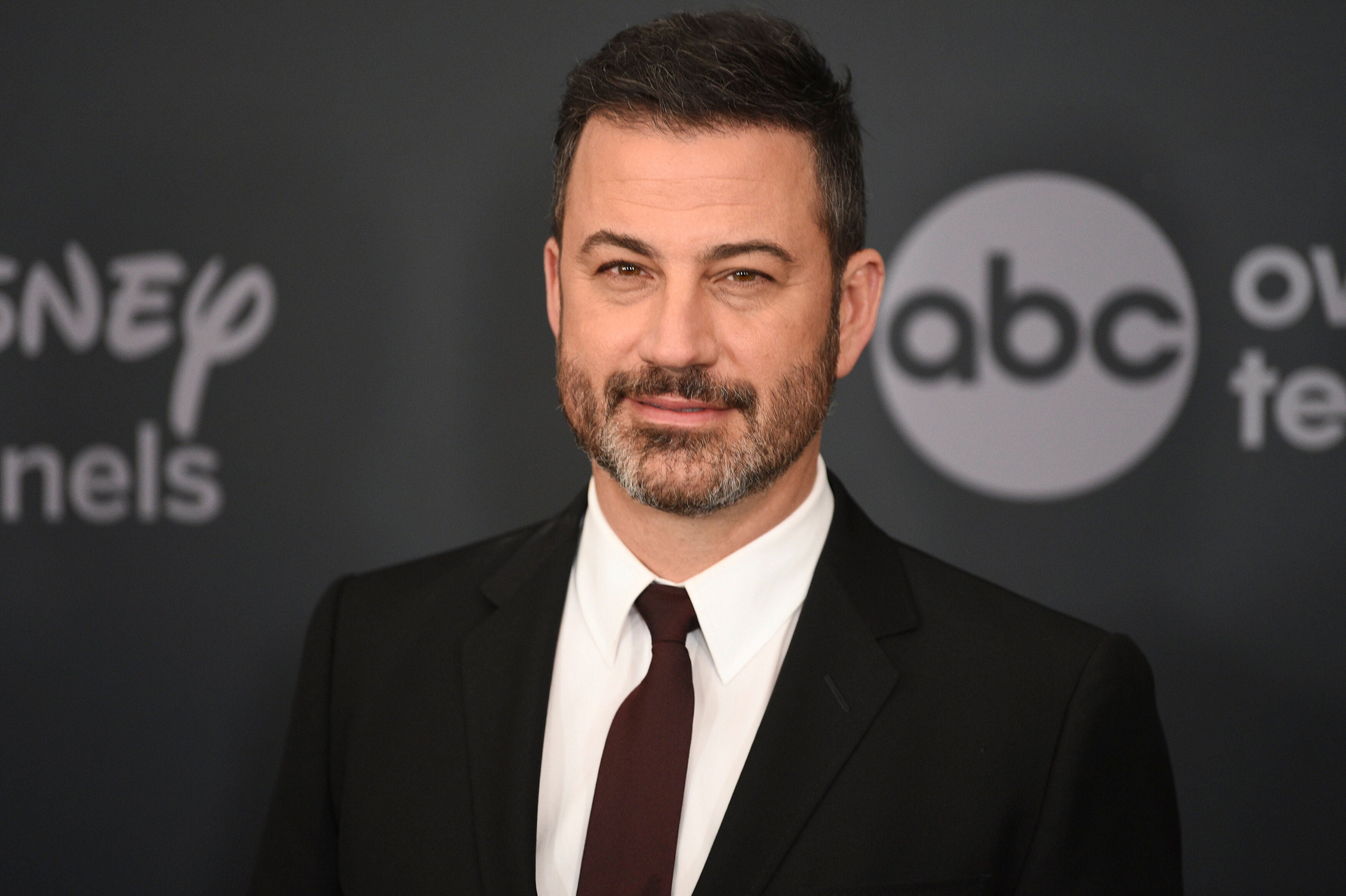
The recent suspension of comedian Jimmy Kimmel’s late-night talk show by ABC, owned by Disney, has sparked a significant debate about free speech and government influence in the media. This incident is seen as one of the most severe attacks on First Amendment rights in recent history. The Federal Communications Commission (FCC) reportedly pressured Disney to remove Kimmel from the air after he made a joke about the Trump administration's attempts to blame individuals on their left for the death of conservative activist Charlie Kirk. The FCC threatened to revoke broadcast licenses of ABC affiliates if the show wasn’t taken off the air.
This move is not only alarming but also legally questionable. The First Amendment explicitly protects against government censorship of speech, making it illegal for the government to threaten broadcasters to censor content or punish speakers for their views. Christopher Anders, director of the Democracy and Technology Division at the American Civil Liberties Union, called the situation “beyond McCarthyism,” highlighting how Trump officials are abusing their power to silence ideas they disagree with.
A Pattern of Authoritarian Consolidation
This incident is part of a broader pattern of authoritarian consolidation under the Trump administration. By forcing the suspension of Kimmel, Trump is asserting control over the media, dictating what can be said and who can say it. This effort aims to instill fear within the entertainment industry and the press, undermining their constitutionally guaranteed freedoms.
Comedy has historically served as a bellwether for societal tensions. When a society feels under threat, comedians are often the first to be silenced. This trend is evident in other authoritarian regimes, such as Russia and Egypt, where comedians have faced persecution for criticizing the government. In Russia, Vladimir Putin forced the cancellation of a comedy puppet show that mocked him during his election campaign. Similarly, in Egypt, comedian Bassem Youseff was driven off the air after criticizing the Morsi government and making comments viewed as critical of Islam.
Expanding Crackdowns on Free Speech
Trump’s crackdown on free speech extends beyond comedians. From the beginning of his administration, he targeted the speech of immigrant students who supported Palestine, leading to arrests and threats of deportation. He issued executive orders purporting to ban speech related to Diversity, Equity, and Inclusion, transgender rights, and support for immigrants. These orders were used to enforce censorship on universities, nonprofits, researchers, and law firms.
Trump also used frivolous lawsuits to pressure media companies, targeting outlets like The New York Times to alter their coverage. Additionally, decades of lax antitrust enforcement and media mergers have led to the consolidation of the entertainment industry into fewer conglomerates. This concentration gives Trump immense leverage over companies seeking favorable regulation or government approval for further mergers and acquisitions.
Media Mergers and Political Influence
Recent developments highlight this consolidation. The Late Show with Stephen Colbert, a comedian known for criticizing Trump, was abruptly canceled after the FCC approved the purchase of Paramount, the parent company of CBS, by Skydance, a media conglomerate owned by David Ellison, a Trump supporter. The deal included stipulations for CBS to make its coverage more conservative, including the installation of an ideological minder to increase bias for conservatives.
Skydance is now in talks to purchase Warner Bros Discovery, which owns CNN. While cable television is not regulated by the FCC, the regulator does review media mergers. This could create another point of pressure for the FCC to force media companies to bend to conservative demands over coverage. Even without such stipulations, Ellison could demand CNN alter its coverage to support Trump.
Global Comparisons and Domestic Implications
This style of regime media consolidation is reminiscent of what has been seen under autocratic leaders like Hungary’s Viktor Orbán. Trump supporters often view Orbán as a model to follow, celebrating him at events like the Conservative Political Action Conference. However, the U.S. differs significantly from countries like Hungary, Russia, or Egypt, which lack constitutional protections for free speech and a culture that supports freedom of expression.
Trump’s efforts to suppress free speech are likely to face strong opposition in a society where free speech is a fundamental value. The courts may ultimately find these actions illegal. In the meantime, this crackdown is designed to instill fear in everyone from televised comedians to ordinary citizens who post online. As the saying goes, "fear is the mind-killer."

Post a Comment for "Don't Miss the Danger in Jimmy Kimmel's Suspension"
Post a Comment