DC Mayor Defends Crime Policies as Federal Forces Expand
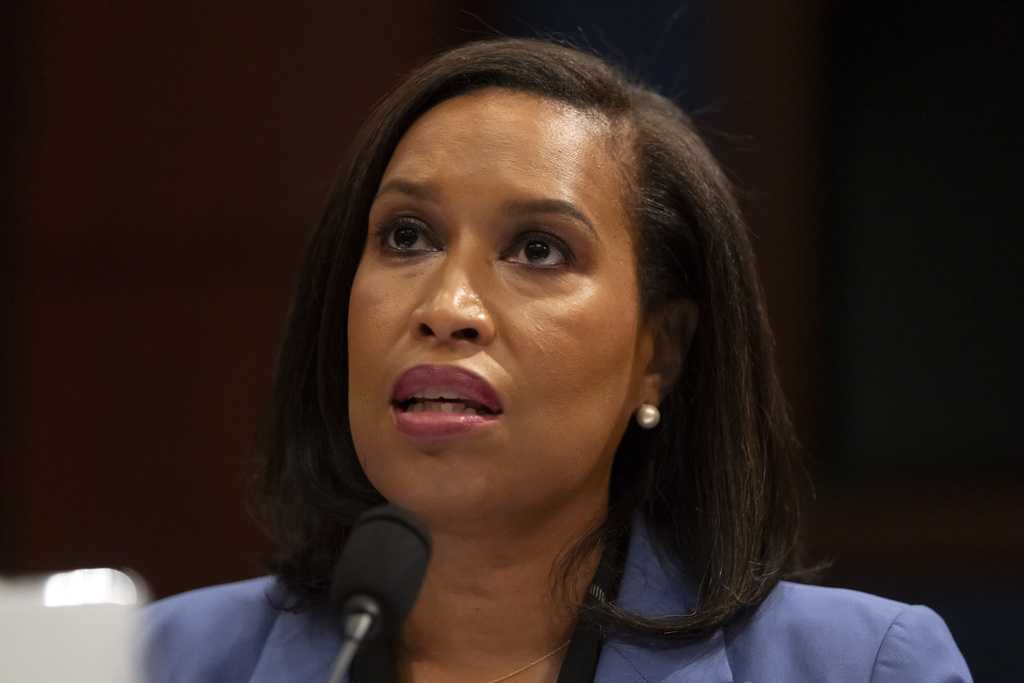
D.C. Mayor Addresses Crime and Federal Intervention in Congressional Hearing
Mayor Muriel Bowser of Washington, D.C., appeared before the House Committee on Oversight and Government Reform to defend her city’s crime policies as federal law enforcement presence continues in the district. The hearing took place amid ongoing debates about the balance between local governance and federal oversight, with President Donald Trump’s emergency order still influencing the situation.
The emergency order, which federalized the city’s police department and increased law enforcement presence, was initially set to expire but has been extended by federal agencies and the National Guard. Bowser emphasized that while she acknowledges the impact of the federal intervention, the city has made significant progress in reducing crime. She stated, “Any crime is too much crime, but we're trending in the right direction.”
This moment marks a critical period for the district, as its self-governance faces unprecedented challenges since the passage of the Home Rule Act of 1973. While the act grants some autonomy, federal leaders still hold considerable control over local affairs, including budget approvals and laws passed by the D.C. Council.
Republican Criticisms and Legislative Proposals
During the hearing, Rep. James Comer, chair of the committee, criticized D.C. officials for the city's high crime rates. He highlighted several recent offenses, including the fatal shooting of Congressional intern Eric Tarpinian-Jachym. Comer attributed the rising crime to what he called "ultra-progressive, soft on crime policies" enacted by the D.C. Council and supported by the D.C. Attorney General.
He also pointed to changes in D.C. law that eliminated mandatory minimum sentences for most crimes and restricted local police from pursuing criminals. These changes, according to Comer, have led to lower morale, retention, and recruitment among police officers, sending a message to criminals that they can commit crimes without accountability.
Despite these criticisms, Trump has praised the federal law enforcement surge as a success in reducing crime. However, data suggests that crime was already declining before the federal intervention. The mayor has supported this view, emphasizing that the city’s efforts to reduce crime are effective even without federal involvement.
Political Divisions and Legislative Efforts
The hearing revealed stark political divisions, with Democrats defending the leadership of D.C. officials. Bowser’s appearance came just one day after the House passed legislation aimed at reforming the district’s criminal justice system. The proposed bills include lowering the age at which juveniles can be charged as adults for certain crimes from 16 to 14, as well as removing D.C.'s role in selecting judges, leaving that responsibility solely to the president.
These bills, which passed out of the committee last week, were approved by the House Rules Committee and received support from a number of Democrats. Although they face challenges in the Senate due to potential filibusters, they represent one of the most comprehensive crime-related legislative packages in recent years.
Concerns About Process and Impact
D.C. Council Chairman Phil Mendelson, who also participated in the hearing, described the city as “a city under siege.” He expressed frustration over the lack of public hearings and input from district officials or the public regarding the 14 bills debated in the committee. Mendelson criticized the process for lacking analysis, including legal sufficiency and fiscal impact assessments.
He urged Congress to focus on supporting the district through better resourcing of prison-related organizations, filling judicial vacancies, and allowing the D.C. attorney general to prosecute misdemeanors, which are often overlooked by the U.S. Attorney.
Ongoing Challenges and Future Outlook
As the debate continues, the future of D.C.’s governance and crime policies remains uncertain. The tension between local autonomy and federal oversight highlights the complex relationship between the district and the national government. With both sides presenting their arguments, the path forward will likely involve further discussions and potential legislative actions to address the challenges facing the city.

Post a Comment for "DC Mayor Defends Crime Policies as Federal Forces Expand"
Post a Comment