Critics’ Choice: Three Enchanting Korean Eateries
A Culinary Journey Through Unique Dining Experiences
New York City is home to a variety of unique dining experiences, and one standout is Sunn’s. Located in Chinatown, this tiny storefront offers an enchanting menu that showcases the creativity of chef Sunny Lee. According to Ligaya Mishan in The New York Times, if you’re lucky, you might find scallops on the menu. These scallops are a special treat, as they come from Lee’s father, who dives for them in the chilly waters off Gloucester, Massachusetts, and gives them to his daughter as a gift.
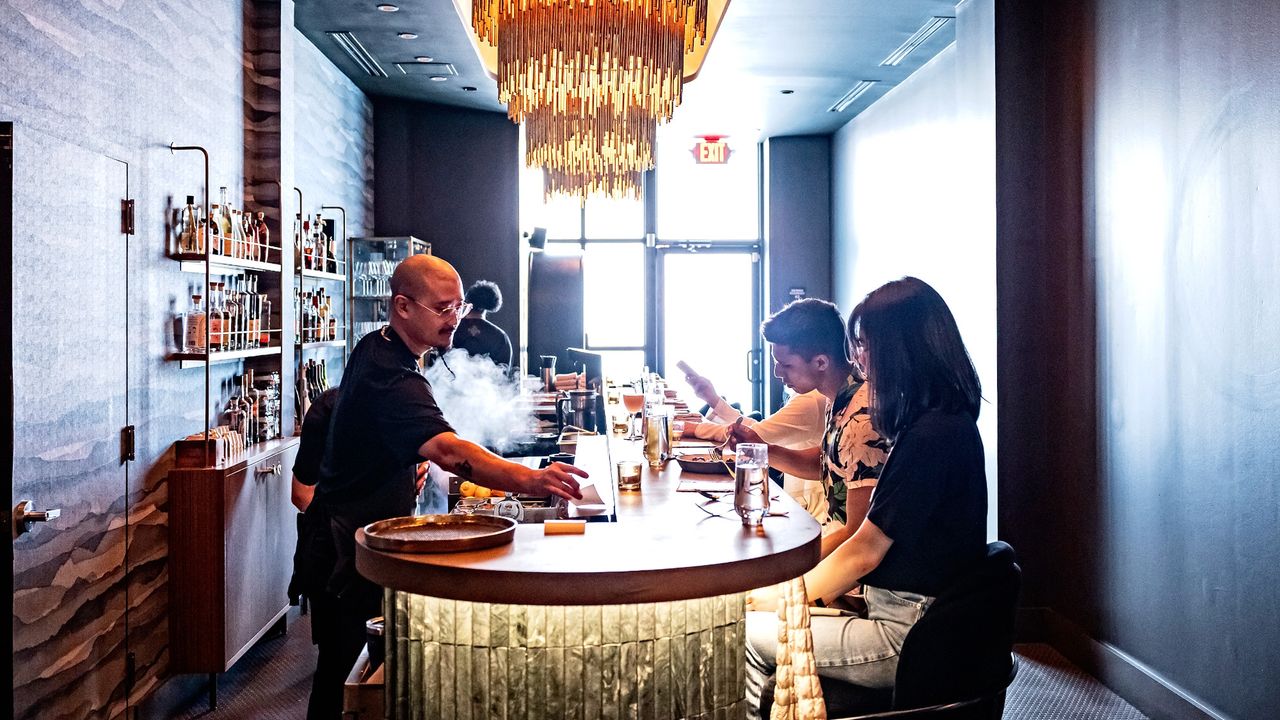
Lee enhances the magic by combining the raw scallops with fatty tuna, dark cherries, and white cloud-ear mushrooms in a color-conscious arrangement that offers a pleasing mix of crunch and sponginess. Her setup at Sunn’s is minimal, featuring an induction burner, an oven, two rice cookers, and an under-counter fridge. Guests must share just six tables and eight stools, making the dining experience intimate and communal.
The menu at Sunn’s is limited but somehow conveys a sense of abundance. Lee stuffs dumplings with crab, chicken, and schmaltz, giving them a warming, unctuous quality. She is also a master of banchan, the small dishes that complete a Korean meal. Sometimes, as you rub elbows with neighboring diners, a communal exuberance takes hold, as if everyone is part of a shared magical experience of creating a beautiful dinner in a small space.
A Taste of Seoul in Washington, D.C.
In Washington, D.C., Edward Lee’s restaurant Shia offers a glimpse of Seoul in the Union Market District. As noted by Tom Sietsema in The Washington Post, some nights at Shia feel like an evening out in Seoul. The roughly three dozen seats are filled with generations of Korean Americans who come for the chef and cookbook author’s fantastic food, which blends authenticity and innovation.
A $90 five-course tasting menu is served at the bar, while seven courses are served at $185 a head in the small dining room. Both begin with sweet-tart tea and an “exquisite” snack of a hot oyster and scallop wrapped in seaweed and accented with cool Asian pear and spicy ssamjang. Next, guests might enjoy amberjack scrolls topped with a foam made from leftover kimchi liquid, showcasing the restaurant’s no-waste ethos.
Other highlights include seared braised sea bass in an “intoxicating” soup of crisp greens and broth coaxed from fish scraps, and duck served in alternating slices with “gently crisp” mountain yam. The meal is a testament to the balance between tradition and modernity in Korean cuisine.
A Secret Dining Experience in Los Angeles
Finding Restaurant Ki in Los Angeles feels like a grown-up version of sneaking into a top-secret tree house. As described by Cathy Park in The Infatuation, you must first locate Bar Sawa, a discrete Japanese omakase spot, then weave through a series of doors, including one marked “Employees Only.” For $285 a head, you’ll enjoy a 12-course feast of modernist Korean cooking that is as exciting to watch as it is to eat.
A team of cooks bounces to a soundtrack of Beyoncé and Flo Rida while chef-owner Ki Kim presides, occasionally showing guests hunks of lamb or shiny lobster tails before they’re sliced, torched, and delicately tweezed into compelling compositions. Traditional ingredients like doenjang and rice wine are sneakily and smartly remixed into luxurious creations accented with seafood and caviar.
Not all is fancy. Lamb paired with stuffed morels is “pure comfort.” While a meal at Ki isn’t the most refined experience given the cost, it makes up for it in enthusiasm and originality. The experience is a celebration of creativity and passion, offering a unique blend of traditional and contemporary flavors.

Post a Comment for "Critics’ Choice: Three Enchanting Korean Eateries"
Post a Comment