Charlie Kirk's Widow Leads Turning Point USA After His Death
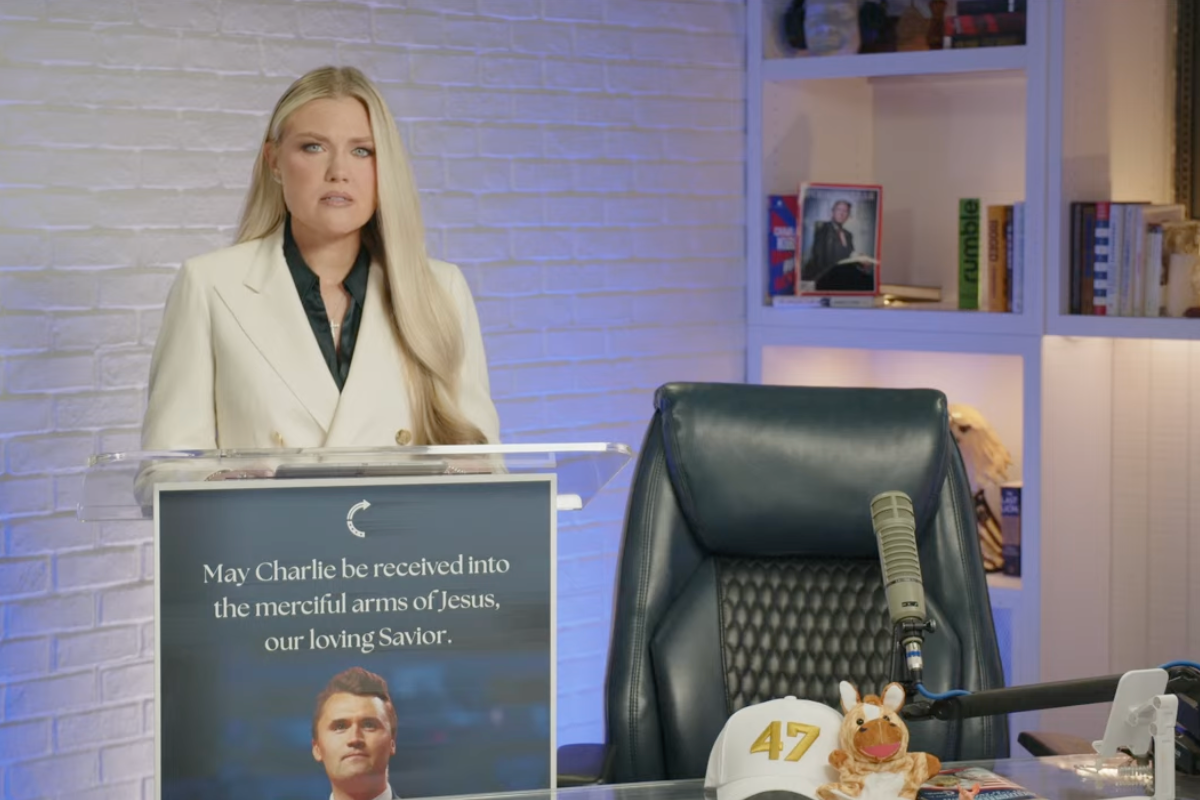
Erika Kirk Takes the Helm at Turning Point USA
Erika Kirk, the widow of slain conservative activist Charlie Kirk, is set to assume leadership of the Turning Point USA organization following her husband’s tragic assassination on a Utah university campus last week. The decision marks a pivotal moment for the group, which has been deeply impacted by the loss of its founder and leader.
In a public letter shared on X, Turning Point leadership announced that Erika Kirk would take over as CEO and chair of the board, emphasizing that this transition was in line with what Charlie Kirk had envisioned. “The attempt to destroy Charlie’s work will become our chance to make it more powerful and enduring than ever before,” the letter stated. This message underscores the determination of the organization to continue the mission that Charlie Kirk dedicated his life to.
During a memorial broadcast of the late activist’s show, Erika Kirk made a heartfelt vow to carry on the work of Turning Point USA and expand its reach. “If you thought that my husband's mission was powerful before, you have no idea,” she said. “You have no idea what you just have unleashed across this entire country.” Her words reflect both the emotional weight of the moment and the growing momentum behind the organization.
The organization, founded in 2012, has focused on recruiting young people into conservative politics and the Christian faith. In the wake of Charlie Kirk’s death, it has seen an overwhelming surge in interest, with thousands of students expressing a desire to join. However, the organization also faced a potential bomb threat at its Arizona headquarters ahead of the planned funeral later this month, highlighting the heightened tensions surrounding the event.
Turning Point USA and Charlie Kirk have played a significant role in shifting the political landscape, particularly among young people. Through campus events, political summits, social media, and conservative podcasts, they have helped bring more individuals into the fold of right-leaning ideologies.
Erika Kirk, a former Miss Arizona USA pageant winner and founder of various faith-based initiatives and companies, now steps into a leadership role as the nation grapples with the aftermath of her husband’s assassination. The incident has not only affected her family but has also sparked broader conversations about free expression and political discourse in the United States.
Authorities have arrested and charged a suspect in the killing, Tyler Robinson. Police say the 22-year-old confessed to the shooting in messages with loved ones and targeted Kirk because he believed the activist was “evil” and spread “hate.” This incident has raised concerns about the increasing polarization in the country and the dangers of extremist rhetoric.
Beyond the immediate impact on the Kirks and their children, the sniper-style killing has stirred up U.S. politics, with critics arguing that the administration is using the situation to suppress free expression. Attorney General Pam Bondi has vowed to crack down on “hate speech,” business employees protesting Kirk, and violent rhetoric related to the late activist. This stance has alarmed free speech advocates who emphasize the importance of protecting even offensive or threatening speech under the First Amendment, as long as it does not pose a real or imminent threat of violence.
Meanwhile, ABC has indefinitely suspended Jimmy Kimmel’s late-night show after the comedian claimed during a monologue that Trump allies were “desperately trying to characterize this kid who murdered Charlie Kirk as anything other than one of them.” This decision came shortly after Trump-appointed FCC Chair Brendan Carr threatened ABC with federal scrutiny over Kimmel’s remarks, raising concerns about the network potentially sacrificing its free expression rights to align with the administration’s viewpoints.
The relationship between the president and Kimmel has been contentious, with Trump frequently criticizing the comedian. In July, Trump claimed he heard Kimmel would be “next” to lose his show after CBS announced it was ending The Late Show with Stephen Colbert. While the network attributed the decision to financial reasons, critics suggested it was due to Colbert’s frequent criticisms of the administration and claims that CBS’s parent company settled a lawsuit with Trump to facilitate a merger requiring federal approval.
As the nation continues to grapple with the implications of these events, the legacy of Charlie Kirk and the future of Turning Point USA remain central to the conversation. The organization’s commitment to its mission, despite the challenges it faces, reflects the resilience of those who believe in its cause.

Post a Comment for "Charlie Kirk's Widow Leads Turning Point USA After His Death"
Post a Comment