Certain Habits Increase Mosquito Attraction
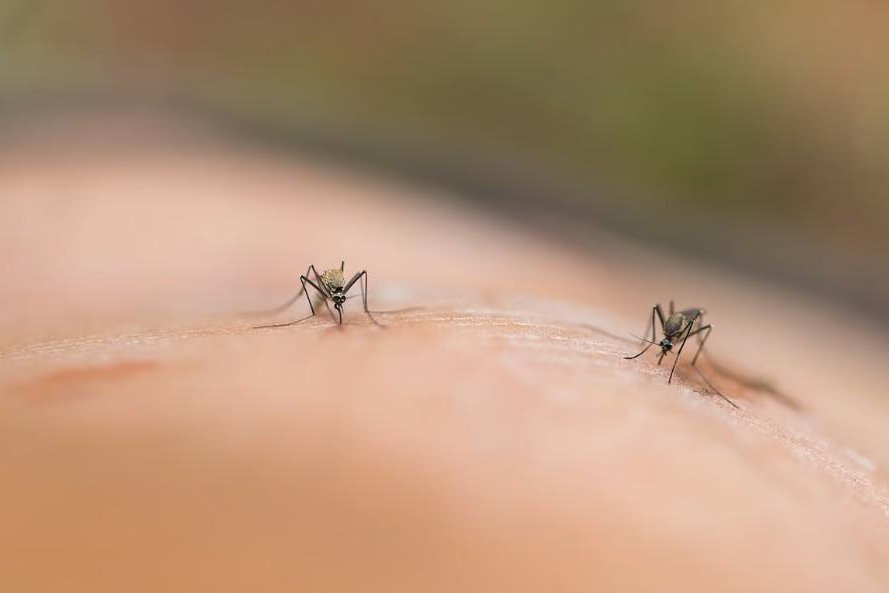
Exploring Mosquito Attraction at a Dutch Music Festival
In an unusual and creative approach to scientific research, a team of scientists in the Netherlands transformed a major music festival into a temporary laboratory. Their goal was to uncover why some people are more attractive to mosquitoes than others—a question that has intrigued scientists and individuals plagued by mosquito bites for years.
The study took place over three days at the Lowlands festival in Biddinghuizen, where researchers set up a pop-up lab inside shipping containers. Instead of waiting in line for their favorite performances, hundreds of festivalgoers eagerly joined the "Mosquito Magnet Trial," a unique experiment aimed at measuring how attractive different individuals are to mosquitoes.
Each day, from 9 a.m. to 10 p.m., participants rested their arms against transparent acrylic boxes containing caged mosquitoes. As the insects responded to human scents, cameras and computer systems tracked their movements and generated a personalized attraction score for each person.
With over 500 volunteers participating, the results varied widely. Some individuals were barely noticed by the mosquitoes, while others became immediate targets. The findings, published in a preliminary report on bioRxiv.org, revealed some unexpected connections between certain behaviors and mosquito attraction.
One key discovery was that attendees who had consumed beer were 44% more attractive to mosquitoes compared to those who hadn't. Similarly, individuals who had used cannabis were also found to be more appealing to the insects. Another surprising result was that people who had slept near another person the night before showed higher attraction scores.
However, the study also identified a simple way to reduce mosquito interest. Participants who had applied sunscreen were about half as attractive to mosquitoes as those who hadn’t, suggesting that sunscreen may have a deterrent effect.
Felix Hol, a quantitative biologist from Radboud University Medical Center in Nijmegen, led the study and noted that the public’s enthusiasm for the project was one of its highlights. “You’d hear loud cheers when a score popped up on the scoreboard,” he said, reflecting on the lively atmosphere during the experiment. He expressed surprise at the level of interest and engagement from the festivalgoers.
Hol emphasized that the study’s findings should be interpreted with caution due to the unconventional setting and the specific group of volunteers. Unlike a traditional controlled lab environment, the festival introduced various external factors. Additionally, the participants—mostly young, camping enthusiasts—may not represent the broader population.
Despite these limitations, the study provided an entertaining and informative look into mosquito behavior and what might make people more or less likely to be bitten. Based on the results, Hol advised that if someone wants to avoid attracting mosquitoes, they should avoid drinking beer, using cannabis, sleeping with others, and skip applying sunscreen. Alternatively, he suggested wearing long sleeves as a practical solution.
This innovative research highlights the importance of understanding mosquito behavior and how everyday habits can influence our interactions with these tiny yet persistent pests. While further studies may be needed to confirm these findings, the Lowlands festival experiment offers a fun and engaging way to explore the science behind mosquito attraction.

Post a Comment for "Certain Habits Increase Mosquito Attraction"
Post a Comment