Brendan Carr: Trump's FCC Leader Revealed
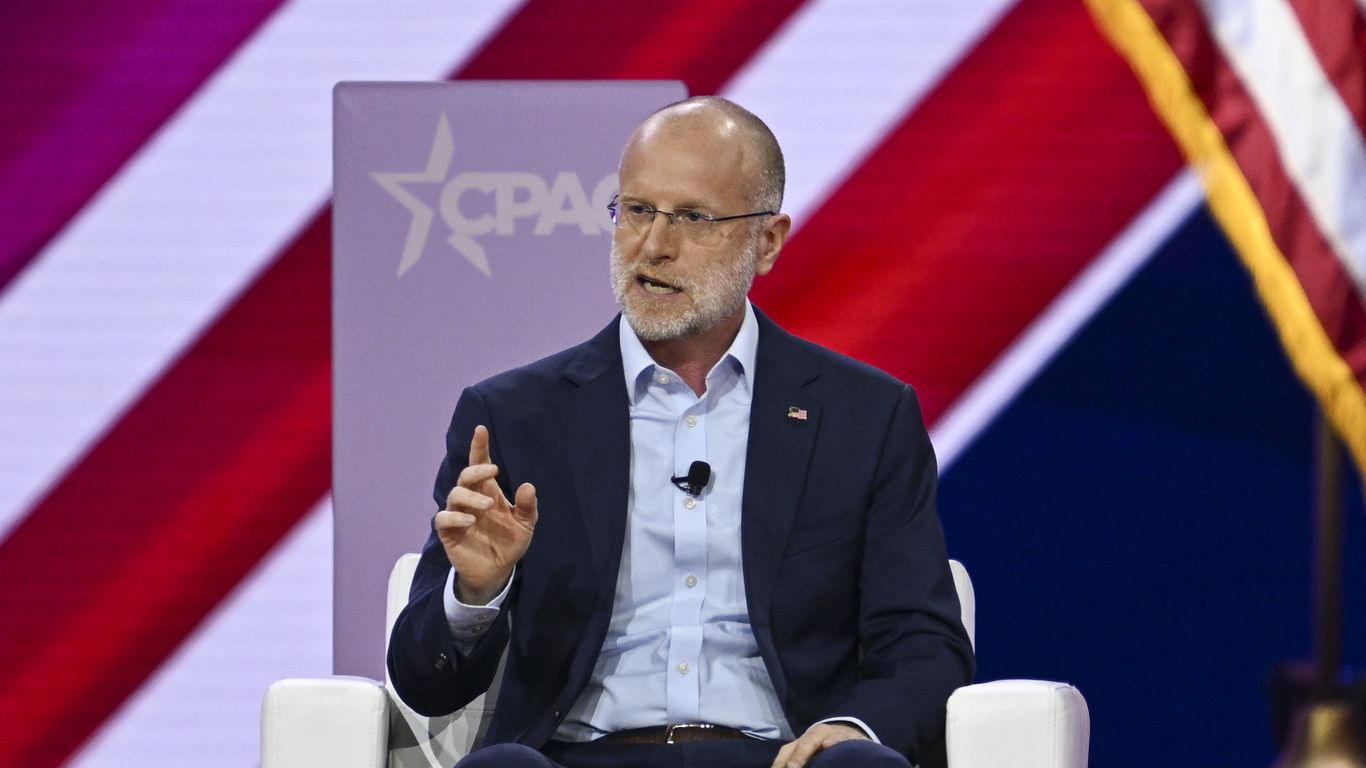
The FCC Chair's Controversial Influence on Broadcasters
Brendan Carr, the current chair of the Federal Communications Commission (FCC), has found himself at the center of a growing controversy after his actions reportedly influenced major networks to take steps against a late-night host. His approach has raised concerns among critics who argue that he is using his position in an unprecedented manner.
A Growing Backlash from Democrats
House Democrats have called for Carr’s resignation, accusing him of overstepping his authority by allegedly pressuring broadcasters. This backlash intensified after ABC decided to put Jimmy Kimmel’s show on hold following comments made by the comedian about the killing of Charlie Kirk, a co-founder of Turning Point USA. Kimmel criticized what he described as the "MAGA gang" trying to distance themselves from the killer, which sparked a response from Carr.
Carr's Response and the Threats to Broadcasters
In response to Kimmel’s remarks, Carr appeared on a conservative podcast where he encouraged local stations to drop programming like Kimmel’s show to avoid potential fines or license revocations. This move has been seen by many as a direct attempt to influence content and silence critical voices, leading to accusations of bullying.
Past Criticisms of Censorship
Carr has long been vocal about his opposition to censorship, even going so far as to praise political satire as a vital form of free speech. In 2022, he wrote about the suspension of the conservative parody site the Babylon Bee, stating that such satire challenges those in power and is essential for public discourse. However, his recent actions have led to questions about his consistency.
The Shift in FCC Leadership
The FCC has undergone a significant shift in leadership, with a right-leaning majority after Trump filled a Democratic-held seat. This change has led to a more conservative approach to media regulation, with Carr playing a pivotal role in shaping this direction.
Trump's Media Strategy
Trump has consistently targeted the media throughout his presidency, using lawsuits and regulatory pressure to challenge outlets he perceives as hostile. He has also advocated for broadcasters to lose their licenses, even though national networks are not directly licensed by the FCC. Instead, local stations that air these programs can face repercussions.
Historical Context: FCC Under Trump
During Trump's first term, the FCC rolled back media ownership rules, leading to increased consolidation in local broadcasting. When Trump pressured then-FCC chair Ajit Pai to punish NBC for critical coverage, Pai upheld the First Amendment, showing some resistance to the administration's agenda.
The Kimmel Incident
In the wake of Kirk's death, Kimmel criticized the response from conservatives, particularly highlighting the MAGA gang's attempts to distance themselves from the killer. He also mocked President Trump's reaction, showing a clip of the president discussing White House renovations instead of addressing the tragedy.
Carr's Influence on Local Stations
Following Carr’s comments, Nexstar, one of the largest local broadcast station groups, announced it would remove Kimmel’s show for the foreseeable future. ABC then suspended the program indefinitely. Carr praised Nexstar’s decision, stating that local broadcasters have an obligation to serve the public interest.
Carr's Background and Views
Carr, a lawyer who joined the FCC in 2012, was nominated by both Trump and former President Biden. Despite his appointment, he has faced criticism for his views on free speech and the FCC's role in policing speech. His past statements, such as his 2019 tweet about the FCC not having a roving mandate, have come under scrutiny.
Project 2025 and FCC Goals
In a chapter of Project 2025, Carr outlined his goals for the FCC, including reining in Big Tech and promoting national security. He proposed reinterpreting Section 230 of the Communications Decency Act to eliminate certain protections for tech platforms. While Trump distanced himself from the initiative, many of its policy preferences have become reality under his second term.
The Reality of FCC Power
Despite Carr’s advocacy, the FCC cannot unilaterally change Section 230 protections. Any changes would require congressional action, as the law is set by Congress. Efforts to reform or repeal Section 230 have been ongoing, with members repeatedly attempting to address the issue.

Post a Comment for "Brendan Carr: Trump's FCC Leader Revealed"
Post a Comment