Zelenskyy, Putin, and the Istanbul Humanitarian Breakthrough
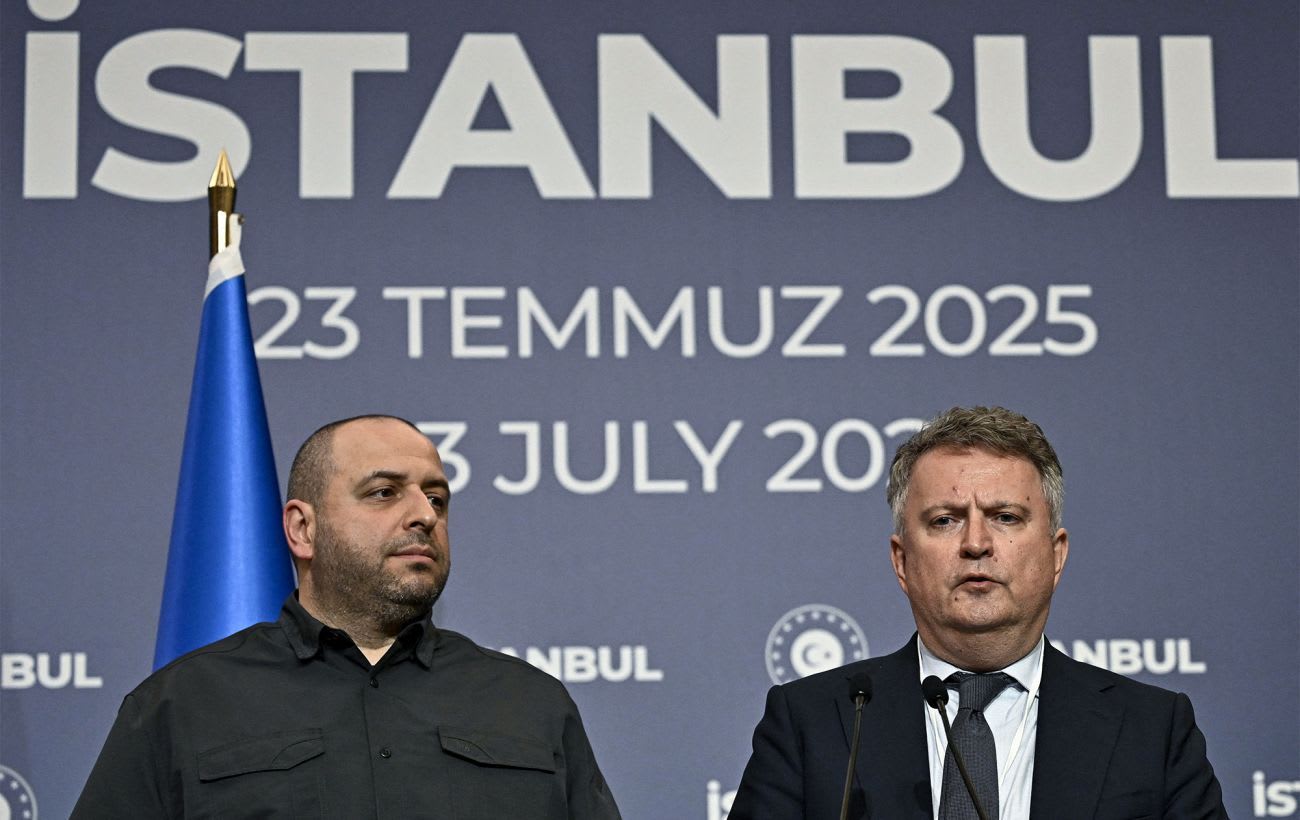
Key Outcomes of the Third Round of Talks in Istanbul
The third round of negotiations between Ukraine and Russia, held in Istanbul, has concluded with several significant developments. The discussions focused on humanitarian issues, prisoner exchanges, and the possibility of a leaders’ summit. Both sides have agreed to conduct another major prisoner exchange and issued statements outlining their positions.
Ukrainian Perspectives from the Istanbul Meeting
During the final briefing, representatives from the Ukrainian delegation, including Rustem Umerov, Serhiy Kyslytsya, and Vadym Skibitskyi, shared key insights from the talks. One of the main points was that Ukraine does not engage in exchanging civilians and children but instead demands their return. They emphasized that these individuals should simply be brought home.
Over 1,200 people are expected to be involved in the new humanitarian exchange. Ukraine continues to prioritize an unconditional ceasefire, alongside the continuation of the humanitarian track and the possibility of a leaders' summit. However, progress on a ceasefire remains limited, as no substantial developments have been reported so far.
Ukraine has consistently expressed readiness for a ceasefire, but it claims that Russia has not shown the same willingness. In addition, Ukraine proposed a summit between President Volodymyr Zelenskyy and President Vladimir Putin, with the participation of Turkish President Recep Tayyip Erdoğan and U.S. President Donald Trump, to take place by the end of August.
The meeting was described as less emotional compared to previous rounds, which marked a shift in tone. Documents related to the ceasefire were not referred to as memorandums, as Ukraine considers its proposals more realistic than those from Russia.
The proposal for a meeting with Putin is still valid, although arranging it has proven challenging. Ombudsman representative Yuriy Kovbasa noted that the negotiations covered the exchange of prisoners held for over three years. Both sides agreed to maintain the current level of work, with future exchanges expected to include young people, the wounded, and those seriously ill.
Foreign Ministry spokesperson Heorhiy Tykhyi clarified that the documents discussed are not memorandums, as they are not agreements reached by both sides. Instead, they are projects, proposals, and visions.
Russian Position Following the Talks
From the Russian perspective, head of the delegation Vladimir Medinsky outlined several proposals. Both sides agreed to establish three working groups focusing on political, humanitarian, and military issues. These groups will operate online.
Russia also suggested short ceasefires of 24–48 hours on the front lines to allow medical teams to recover wounded soldiers and the bodies of the deceased. Additionally, Moscow claimed that Ukraine is allegedly holding 30 residents of the Kursk region and demanded their return.
Russia is prepared to return another 3,000 bodies of the deceased, insisting that all of them are fallen Ukrainian soldiers. Regarding the memorandums, the positions of the two sides remain far apart, though contacts will continue.
Medinsky emphasized that a summit between leaders requires a finalized peace agreement. He stated that at such a meeting, the focus should be on signing the agreement rather than discussing it.
Future Negotiations and International Involvement
Rustem Umerov, head of the Ukrainian delegation, addressed whether further rounds of talks would occur if a leaders’ meeting couldn’t be arranged by the end of summer. He reaffirmed that the Ukrainian side has never refused to meet, emphasizing that people, a ceasefire, and a leaders’ summit remain top priorities.
Turkish Foreign Minister Hakan Fidan also commented on the situation, stating that Ankara is ready to help monitor a ceasefire regime if Ukraine and Russia reach such an agreement. He urged both Moscow and Kyiv to make progress within the framework of the Istanbul talks.

Post a Comment for "Zelenskyy, Putin, and the Istanbul Humanitarian Breakthrough"
Post a Comment