Wisconsin's Top K-12 Official Calls Federal Government the Biggest Schoolyard Bully
Federal Government as a Major Challenge for Public Schools
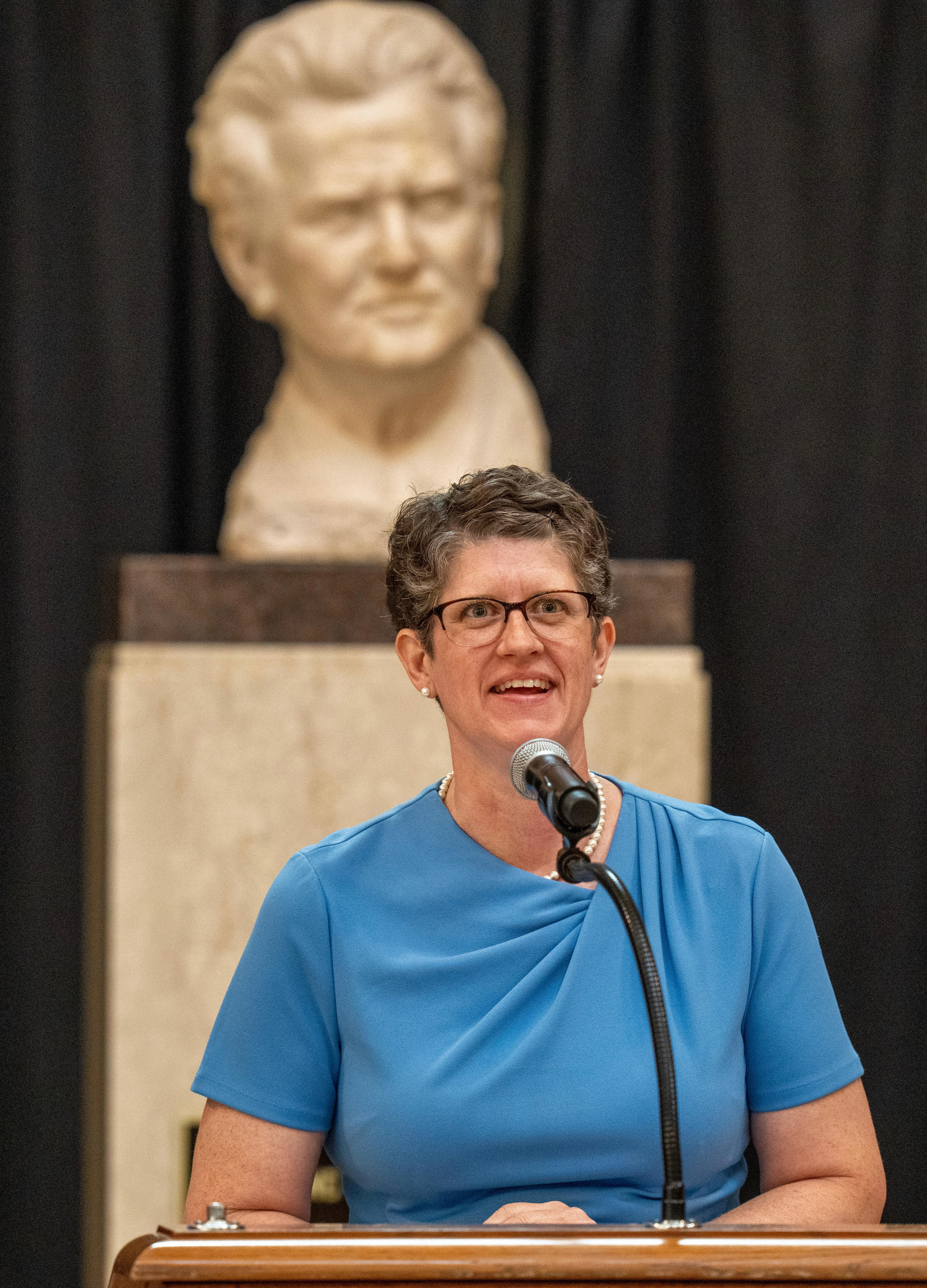
During the 2025 State of Education Address, Jill Underly, Wisconsin's top K-12 elected official, highlighted the federal government as the biggest schoolyard bully. This statement was made at the state Capitol in Madison on September 18, where she outlined her priorities as the superintendent of public instruction. She was re-elected to this role in April and used the opportunity to emphasize the challenges facing public education.
Underly criticized the federal government for using funding as a "bargaining chip." She described public schools as being under attack driven by political agendas and hatred. According to her, the Department of Education is threatening or withholding critical funding with little or no notice while demanding compliance with unclear and unlawful demands. She argued that these actions seek to sow confusion, create chaos, and erode trust in an already strained education system.
"We teach our children to stand up to bullies. But this year, the biggest schoolyard bully in our public schools is our own federal government," Underly said. Her remarks underscored the growing frustration among educators and administrators who feel that federal policies are undermining the stability of public schools.
Emphasizing Diversity and Inclusivity
In addition to criticizing the federal government, Underly also addressed the importance of diversity and inclusivity in Wisconsin's schools. She stated that public schools in the state are places where diversity is celebrated rather than demonized. She emphasized that differences should not be feared but embraced as opportunities for growth and learning.
Underly’s comments reflect a broader push to ensure that schools remain welcoming environments for all students, regardless of their background. This focus on inclusivity is essential for fostering a sense of belonging and support among students from diverse communities.
Criticisms of State Funding Structures
Underly also took aim at the state government for its inadequate investment in public schools. She pointed out that decades of insufficient funding have forced school districts to rely on tax referendums to cover basic operating costs. This situation has led to a cycle where schools must constantly seek resources, often at the expense of other important programs.
She criticized the micromanagement from Madison and the endless finger-pointing from lawmakers. Additionally, she expressed concerns about the state Legislature's support for voucher programs that provide public money for private school attendance. Underly argued that this approach is essentially starving one system while funding another, which could jeopardize the ability of both systems to thrive.
Addressing Academic Achievement Gaps
Another key issue Underly addressed was the significant gap in test scores between Black and White students in Wisconsin. According to standardized testing data from 2024, 51% of White fourth graders tested "proficient" or better in math, compared to just 5% of Black students. This 46 percentage point gap highlights the systemic inequities that persist in the state's education system.
Underly described Wisconsin as the worst state in the U.S. for academic gaps between Black and White students. She argued that these disparities are not due to student performance but rather an opportunity gap created by unequal inputs. "When inputs are unequal, it is not the students who have failed — it is the system that has failed them," she said.
Mental Health and Support for LGBTQ+ Students
Underly also spoke about the mental health challenges faced by LGBTQ+ students, particularly transgender youth. She noted that these students are experiencing high rates of depression, anxiety, and self-harm when they are excluded or singled out. She criticized politicians for pushing policies that exacerbate these challenges and drive suicide rates higher.
Her comments highlight the urgent need for supportive policies and inclusive environments in schools to address the unique needs of LGBTQ+ students.
A Call for Change
In her speech, Underly emphasized that she was not re-elected to maintain the status quo but to drive real change. She framed education as a story, one that does not guarantee a happy ending. Whether the story ends in hope or heartbreak depends on the choices made now.
Underly's message is clear: the future of public education in Wisconsin depends on addressing the challenges posed by both the federal and state governments, ensuring equitable funding, and creating inclusive and supportive learning environments for all students.

Post a Comment for "Wisconsin's Top K-12 Official Calls Federal Government the Biggest Schoolyard Bully"
Post a Comment