Will There Ever Be Another You? The Mind's Distorted Reflection
A Unique Narrative of Illness and Recovery
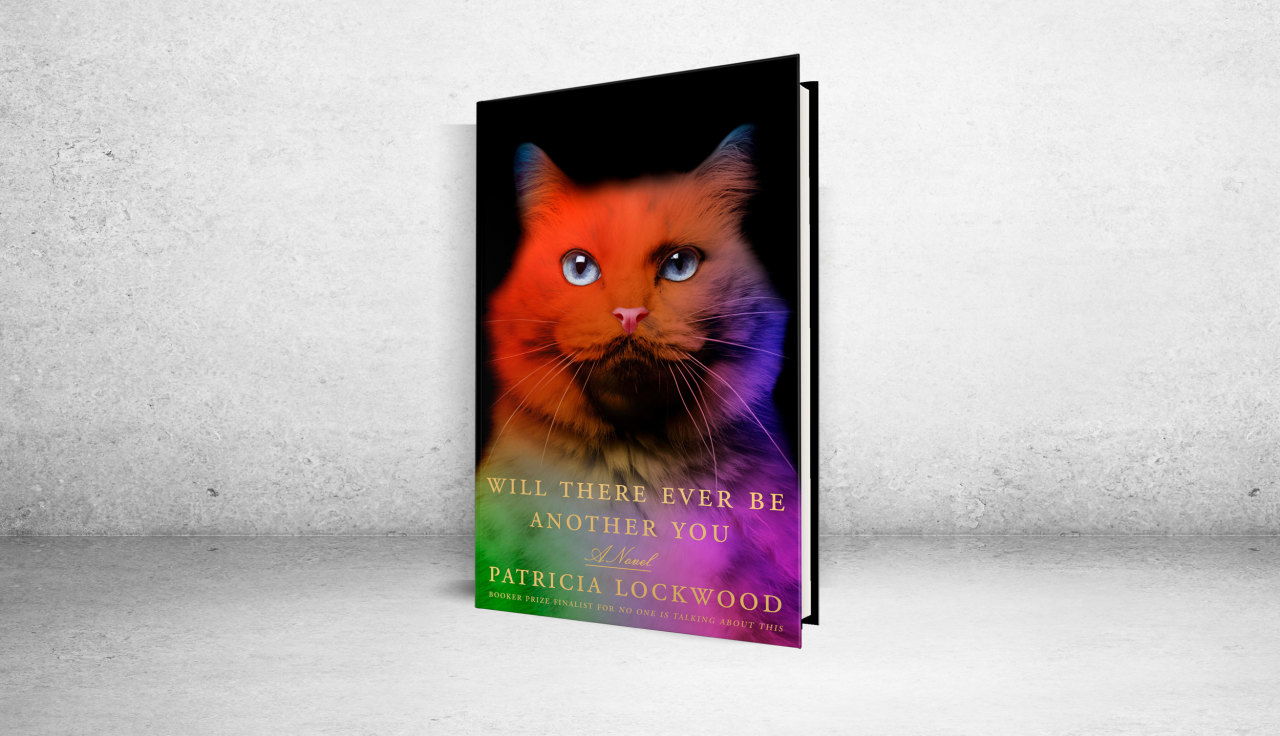
Patricia Lockwood’s “Will There Ever Be Another You” offers a humorous and deeply personal look into the life of a writer named Patricia, whose experiences closely mirror those of the author herself. The book is structured in a way that feels like a diary, with its episodic and shapeless nature making it difficult to classify as a traditional novel. However, it has been labeled as such, much like Karl Ove Knausgaard’s “My Struggle,” which similarly blurs the line between fiction and nonfiction.
While some might describe the book as a story of illness and recovery, this interpretation only scratches the surface. The narrative begins with Patricia contracting the Covid-19 virus during a family trip to Scotland in March 2020. The experience leaves her with symptoms that go beyond physical illness—she suffers from hallucinations, confusion, and a sense of detachment from her own body. She even jokingly diagnoses herself with a new condition called “Who Foot Is That,” highlighting her surreal perception of reality.
This loss of self becomes a central theme throughout the book. Lockwood writes about how Patricia sometimes feels like she is truly herself and other times feels like an outsider. This duality is reflected in the narrative structure, which alternates between first- and third-person perspectives. The writing style itself mirrors the disorienting logic of illness, blending external impressions with internal sensations in a way that feels poetic and fragmented.
The book's early chapters are particularly compelling, filled with vivid imagery and unusual associations. Patricia keeps an aqua-blue notebook that evokes thoughts of an Olympic swimming pool, and she experiences moments of synesthesia, where sensory experiences blend together. These descriptions create a unique and alluring perspective, one that is both strange and captivating.
However, as the narrative progresses, the focus shifts away from Patricia’s illness and into the aftermath. The story moves on to her daily life, including watching movies, visiting family in Ohio, and taking a metalsmithing class. Jason, her husband, faces a medical emergency, and the narrative returns to the hospital setting, but now Patricia is in the role of caretaker.
Throughout these chapters, Patricia’s family members appear, but they are not developed as characters. Instead, they are mentioned in passing, relying on readers’ familiarity with Lockwood’s previous work or her online presence. References to her eccentric father, who converted to Catholicism and became a priest, may be confusing for readers unfamiliar with her 2017 memoir, “Priestdaddy.”
The book also delves into Lockwood’s writing career, particularly the aftermath of her 2021 novel, “No One Is Talking About This.” The narrative includes details about book tours, interviews, and a writing residency in Paris. Patricia laments negative reviews, receives publishing offers, and meets with an actress interested in adapting her novel into a film.
Much of this content is humorous, with Lockwood’s sharp wit and comedic timing shining through. There are running jokes about the absurdity of men’s names, such as “Kevin” and “Dennis,” which become amusing punchlines. However, as the narrative continues, it becomes clear that the original conceit of a woman losing her mind is not fully explored.
Patricia still experiences the world in unusual ways, but the events described feel disconnected from her character development. The poetic elements, once charged with meaning, seem to serve more as decorative flourishes rather than meaningful insights. The book, which initially seemed to promise something visionary, ends up being more quirky than profound.
In the epilogue, Patricia reflects on her journey, having seemingly recovered her sanity. Yet, the question remains: what did she observe from outside herself? The division between the true self and the false self is a central theme, but it is not fully resolved. Lockwood’s attempt to depict disorientation is evident, but it is done with a self-awareness that prioritizes her persona over deeper exploration.
Ultimately, “Will There Ever Be Another You” is a book that seeks the internal coherence of a novel but instead embraces the randomness of real-life events. It is a unique and thought-provoking read, though it may leave some readers wanting more depth and resolution.

Post a Comment for "Will There Ever Be Another You? The Mind's Distorted Reflection"
Post a Comment