Why Robert Redford Fled L.A.'s Chaos for Quiet Utah Life
A Life Rooted in Nature and Activism
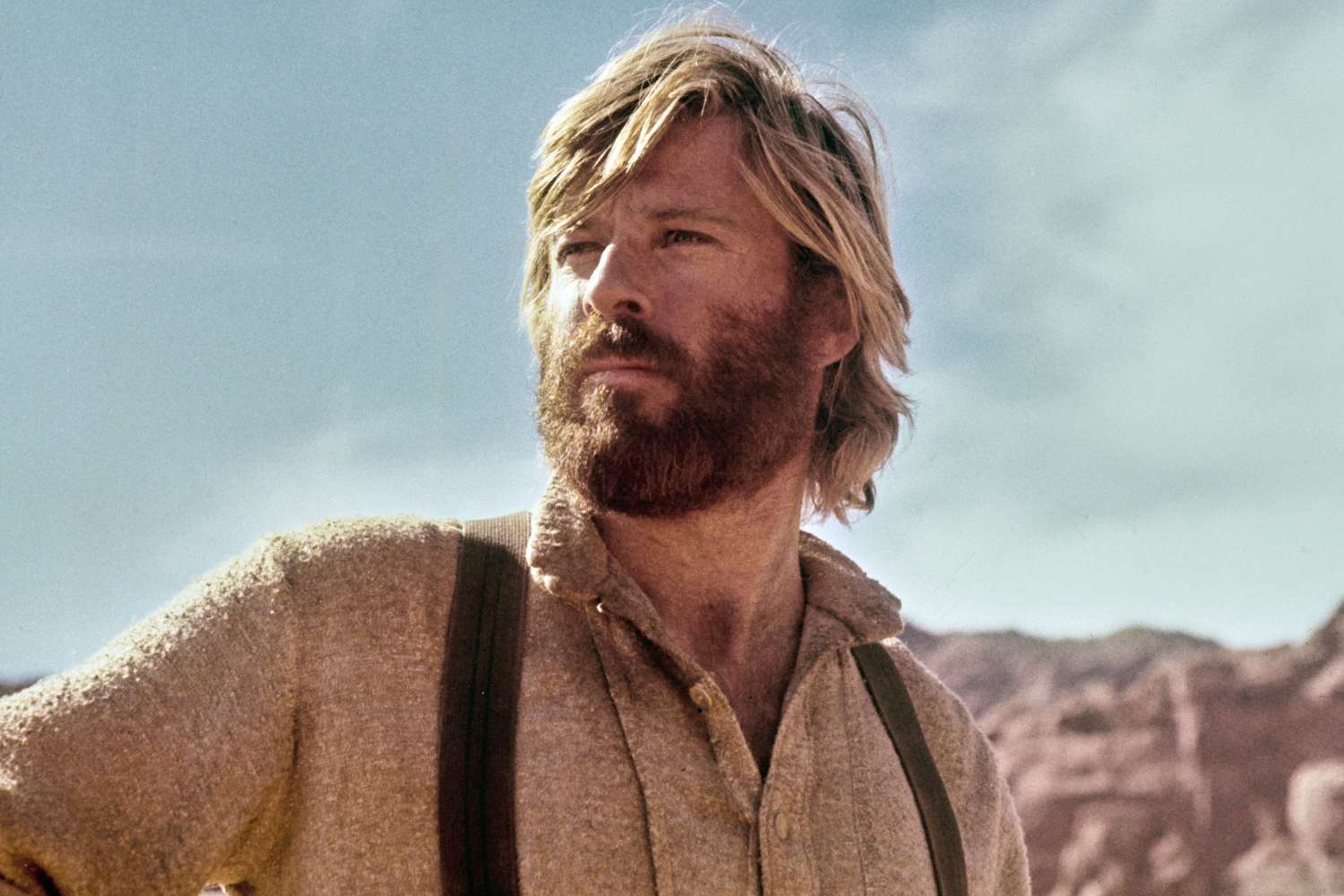
Robert Redford, the iconic actor and director best known for his role in Butch Cassidy and the Sundance Kid, passed away on Tuesday, Sept. 16, at his home in Utah. He was 89 years old. His death marks the end of a life that spanned decades of Hollywood success, environmental advocacy, and a deep connection to the natural world.
Redford was born in Santa Monica, California, and grew up in the Van Nuys area. As a young man, he found the neighborhood to be “conformist and dull.” Despite being a native Californian and a prominent figure in Hollywood, Redford often spoke out against the superficial nature of Los Angeles. In 1978, he told Rocky Mountain Magazine that Utah was “not trying to pretend to be something it’s not,” contrasting it with the “phony and superficial” image of the city.
In 1961, Redford made the decision to leave Los Angeles behind. He purchased two acres of land in Provo Canyon and moved to Utah with his first wife, Lola Van Wagenen. This move marked the beginning of a lifelong commitment to the state and its natural beauty. Over the next six decades, Redford would become a passionate environmental activist, deeply involved in efforts to protect Utah’s landscapes.
Environmental Advocacy and Legacy
Redford’s passion for environmental causes began to take shape in the 1970s. In 1974, he played a key role in opposing the construction of a large coal-fired power plant in Southern Utah. The site was later designated as the Grand Staircase-Escalante National Monument, one of the most beautiful national monuments in America. His efforts helped preserve this natural treasure.
In 1975, Redford joined the Natural Resources Defense Council (NRDC) as a trustee. His involvement with the organization was more than just symbolic—he was a tireless advocate for environmental causes. Manish Bapna, President and CEO of NRDC, reflected on Redford’s impact: “He was a tireless advocate for over 50 years. He attended board meetings, engaged with elected officials, and helped build our base of supporters in those early years.”
Bapna also emphasized Redford’s deep connection to Utah and the American West. “Where he was most at home was in Utah, was the American West,” he said. Redford often spoke about issues like climate change, extractive projects, and water scarcity, particularly in the context of farmers and ranchers facing droughts and extreme heat.
A Life Spent in the Mountains
Redford spent the final years of his life in Utah, where he died peacefully in his sleep at his home in Sundance, surrounded by loved ones. His passing was confirmed in a statement from Cindi Berger, chairman and CEO of Rogers & Cowan PMK: “Robert Redford passed away on Sept. 16, 2025, at his home at Sundance in the mountains of Utah — the place he loved, surrounded by those he loved. He will be missed greatly. The family requests privacy.”
Throughout his career, Redford remained committed to his values. From his early days as an actor to his later years as an environmental advocate, he left a lasting legacy. His work with the NRDC, his dedication to protecting Utah’s natural landscapes, and his love for the American West all contributed to a life well-lived.
As the world remembers Robert Redford, his contributions to both entertainment and environmentalism will continue to inspire future generations. His story is one of resilience, passion, and a deep respect for the land that shaped him.

Post a Comment for "Why Robert Redford Fled L.A.'s Chaos for Quiet Utah Life"
Post a Comment