Why Jimmy Kimmel Was Bench: Trump's FCC Pressure and Corporate Cowardice
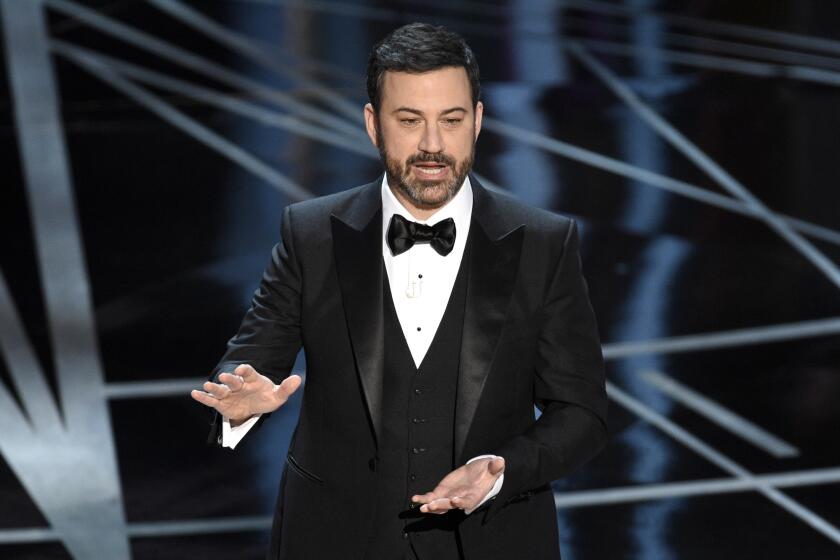
The Fallout from Jimmy Kimmel's Comments and the FCC's Influence
The recent controversy surrounding Jimmy Kimmel’s comments on the killing of right-wing activist Charlie Kirk has sparked a significant reaction from major media companies, including ABC. This situation highlights the growing influence of the Federal Communications Commission (FCC) and its chairman, Brendan Carr, who has taken a strong stance on content that he deems inappropriate.
During a podcast, Carr addressed the issue, suggesting that ABC needed to take action regarding Kimmel’s remarks. His message was clear: either handle the situation or face potential consequences. This warning resonated with the owners of ABC stations across the country, leading them to choose what they perceived as the "easy way" out.
Within hours of Carr's comments, Nexstar, which controls 32 ABC affiliates, agreed to drop "Jimmy Kimmel Live!" indefinitely. Walt Disney Co., owner of ABC, quickly followed suit by pulling Kimmel from the network. Sinclair Broadcasting, known for its conservative leanings, also decided to shelve the show and went a step further by demanding that Kimmel contribute financially to Kirk's family and his organization, Turning Point USA.
The uncertainty around Kimmel's return remains high. On Thursday, high-level ABC executives met with Kimmel and his team to explore ways to "bring the temperature down" and allow the show to return. However, no official announcement has been made regarding the program's future.
This incident underscores the power that Carr holds over media companies that still reach large audiences in the U.S. Over-the-air TV and radio stations are licensed by the government due to their use of public airwaves, and Carr, with his unwavering commitment to President Trump, holds significant sway over their operations.
Media companies are eager to make acquisition or merger deals to compete with tech giants. For instance, Nexstar needs the FCC's approval for a $6.2 billion acquisition of Tegna, and other companies are expected to follow suit. All these deals require FCC approval, which gives Carr substantial leverage.
The latest trouble for Kimmel began when he seemed to suggest during his monologue that Tyler Robinson, the Utah man accused in the shooting death of Kirk, might have been a pro-Trump Republican. Kimmel's comments were met with backlash, and Carr called them "the sickest conduct possible." He argued that stations have the right to pull the show if they believe the content conflicts with community standards.
Kimmel's staff was told not to report to work, but no information about the show's future has been provided. Kimmel has yet to comment on the situation.
Top Disney executives, including CEO Bob Iger, made the decision to suspend Kimmel. The move came after a crisis that escalated throughout Wednesday, with Kimmel and his team preparing the show. Some Disney executives were uncomfortable with Kimmel's monologue, which became a lightning rod for conservatives on social media.
With only an hour before the show was set to begin taping, ABC executives felt they did not have time to address the concerns and opted to suspend the show rather than risk escalating tensions.
Nexstar's call to dump Kimmel put pressure on Disney, given the number of affiliate stations it owns. Losing Kimmel would be a significant blow to ABC, despite declining late-night ratings and profits.
Kimmel's relationship with Trump has been tense since 2017, when he poked fun at the president from the Oscars stage. Their conflict deepened after Kimmel advocated for the preservation of the Affordable Care Act, which Trump targeted. The rift widened last year at the Oscars when Trump posted a harsh review of Kimmel on Truth Social.
Trump has long been a target for late-night hosts, and now he is exacting revenge with Carr's help. He has called for the firing of Stephen Colbert and has targeted other NBC hosts like Jimmy Fallon and Seth Meyers.
The chilling effect is evident on ABC, where "The View" made no mention of the Kimmel controversy on Thursday. Prominent writer-producer Damon Lindelof expressed his shock and anger, stating he could not work for Disney if Kimmel wasn't brought back.
Disney's actions have drawn condemnation from Hollywood unions, progressive groups, free speech organizations, and Democratic politicians. They argue that the removal of Kimmel under government pressure threatens free speech and adds uncertainty to the Hollywood workforce.
FCC Commissioner Anna M. Gomez criticized Disney and emphasized that the agency does not have the authority to police content or punish broadcasters for speech the government dislikes. She also condemned the corporate capitulation and referenced Trump's threats against ABC News correspondent Jonathan Karl.
This situation highlights the complex interplay between media, politics, and free speech, with far-reaching implications for the entertainment industry and public discourse.

Post a Comment for "Why Jimmy Kimmel Was Bench: Trump's FCC Pressure and Corporate Cowardice"
Post a Comment