Why is Cuomo Repeating His Stance on Israel and Gaza?
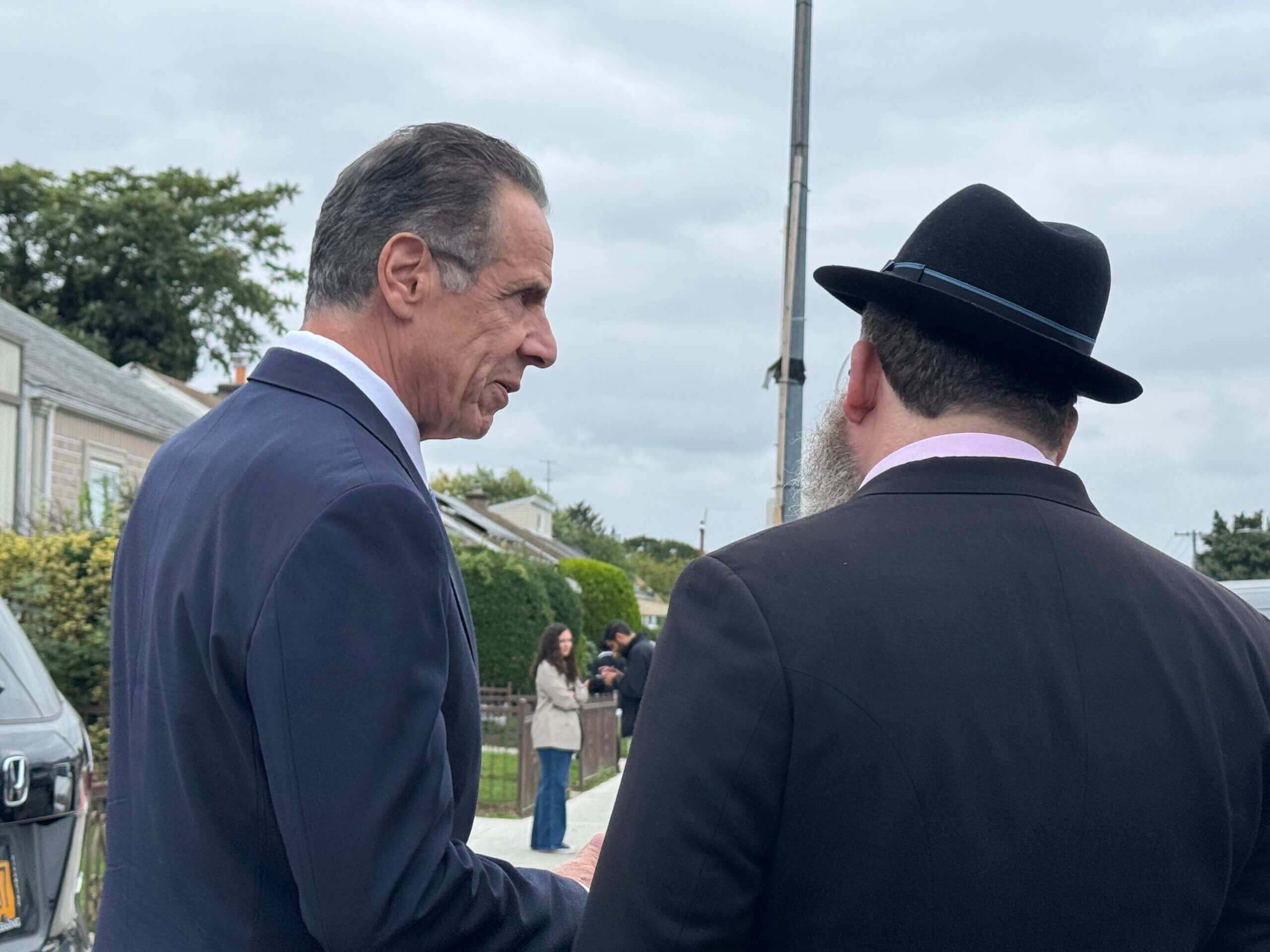
Andrew Cuomo’s Evolving Stance on the Israel-Gaza Conflict
Andrew Cuomo, the former governor of New York and now an independent candidate for mayor, has been navigating a complex political landscape as he continues to shape his position on the ongoing conflict in Gaza. His comments have often been seen as contradictory, reflecting both his long-standing support for Israel and his attempts to appeal to a broader electorate. This balancing act has become increasingly difficult as public sentiment in New York City shifts toward greater sympathy for the Palestinian cause.
Cuomo recently made headlines when he appeared to call for an immediate end to the war in Gaza, stating that the “horrific” conflict must end “today.” This stance aligns with a growing number of Democrats, including Zohran Mamdani, who is currently leading in polls for the mayoral race. However, Cuomo later walked back his comments, claiming they did not reflect his own views but rather those of New Yorkers, especially younger voters influenced by social media.
Despite this, Cuomo has also distanced himself from Israeli Prime Minister Benjamin Netanyahu, saying, “I never stood with Bibi.” This statement comes in contrast to his earlier involvement with a legal team defending Netanyahu at the International Criminal Court. The contradiction highlights the challenges Cuomo faces in maintaining a consistent message while appealing to diverse voter bases.
A Strategy of Appeasement or Realignment?
The question remains: Is Cuomo changing his stance due to recent primary losses or is he trying to maintain a delicate balance between different groups? After losing the Democratic primary to Mamdani by 12 points, Cuomo has shifted his focus away from Israel as a central issue in his campaign. Instead, he has concentrated on issues like affordability, public safety, and school security.
This shift has led some to speculate that Cuomo is adjusting his strategy based on poll numbers. However, he denies this, insisting that he now has a broader electorate to appeal to, including moderate Democrats, independents, and Republicans. He believes that voters will eventually recognize the differences between himself and Mamdani, particularly on key issues such as support for Israel.
Cuomo has not abandoned his efforts to win over Jewish voters, a critical demographic in New York City. Recent polls show that both Cuomo and Mamdani are tied at 35% among Jewish voters, but 55% would support Cuomo if other candidates drop out. Additionally, 75% of Jewish voters hold an unfavorable view of Mamdani, which Cuomo sees as an opportunity to regain their trust.
The Role of Jewish Voters in the Mayoral Race
Jewish voters have historically played a significant role in New York City elections, and Cuomo has tried to court their support through a pro-Israel platform. He has emphasized his commitment to the International Holocaust Remembrance Alliance definition of antisemitism and has criticized Mamdani’s association with the Democratic Socialists of America.
However, Mamdani has also received endorsements from prominent Jewish figures, including Brad Lander, Jerry Nadler, and Ruth Messinger. These endorsements suggest that the Jewish community is divided, with some supporting Mamdani’s progressive policies and others wary of his stance on Israel.
Cuomo argues that Mamdani is struggling to maintain support from his base, which includes activists who demand strong criticism of the Israeli government. He claims that Mamdani is “borrowing” support from his more extreme left-wing followers and must remain aligned with their views to keep them.
The Broader Implications
As the race for mayor intensifies, the debate over Israel and Gaza continues to influence voter perceptions. While Cuomo seeks to position himself as a moderate, centrist candidate, Mamdani represents a growing movement that prioritizes Palestinian rights and criticizes the Israeli government’s actions.
The outcome of this race could set a precedent for how future candidates approach the Israel-Gaza conflict. It also highlights the challenges of navigating a politically polarized environment where public opinion is rapidly shifting.
For now, Cuomo remains focused on broadening his appeal, even as he acknowledges the difficulty of maintaining a consistent message in a highly charged political climate. Whether he can regain the support of Jewish voters and other key demographics remains to be seen.

Post a Comment for "Why is Cuomo Repeating His Stance on Israel and Gaza?"
Post a Comment