What's Happening to the Great Salt Lake?
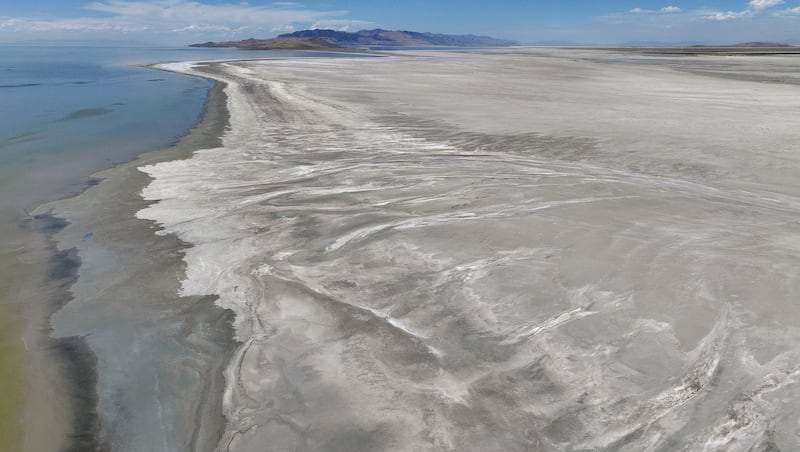
The Great Salt Lake is in Critical Condition
In an emergency room, medical professionals prioritize patients based on the severity of their condition. Similarly, the Great Salt Lake is currently in a dire situation, requiring urgent attention and care. Brian Steed, the Great Salt Lake commissioner, described the lake’s current state as “not a happy place.” He emphasized that the situation is extremely concerning.
The lake's current elevation stands at 4,192 feet, which is 3 feet below the ideal level. To put this into perspective, it equates to a loss of 250,000 football fields worth of water. Hannah Freeze, the deputy commissioner, called the current level “a scary low level.”
Steed expressed a mix of optimism and pessimism during a recent update on the lake's condition. He acknowledged that there may be a growing sense of fatigue among people regarding the drought and water conservation efforts. However, he stressed that individual actions can make a significant difference in helping the lake.
A Growing Divide
Despite the urgency, the issue has sparked tension between different groups of water users. Steed noted that the Great Salt Lake has become a sort of parlor game where farmers and other water users blame each other for the declining water levels. This approach, he said, is counterproductive.
“It is the wrong way to think about it,” Steed stated. He emphasized the importance of collective effort and continued involvement, even when the solution remains unclear. The challenge lies in maintaining public engagement and ensuring that everyone recognizes the shared responsibility in preserving the lake.
A recent poll conducted by HarrisX Interactive for the Deseret News and Hinckley Institute of Politics revealed that more than three-quarters of Utah adults are at least somewhat concerned about the effects of the drought on the Great Salt Lake. Specifically, 77% of those surveyed were either “very concerned” (28%) or “somewhat concerned” (49%). However, 23% of residents are starting to disengage, with 18% saying they are “not very concerned” and 5% indicating they are “not concerned at all.”
A Statewide Drought
Utah is experiencing a severe drought, with nearly 60% of the state classified as being in severe drought conditions. According to the U.S. Drought Monitor, the entire state is affected by drought. Despite these challenges, Steed remains hopeful, citing the salinity levels of the Great Salt Lake as a positive sign.
Efforts to save the lake are ongoing, though they require significant resources and commitment. Over $53 million in grant funding is available to support projects aimed at preserving the Great Salt Lake and its wetlands. Steed’s office is actively promoting greater public engagement in water conservation and raising awareness about the lake's importance.
Economic and Cultural Significance
The Great Salt Lake is not only a vital part of Utah’s cultural identity and history but also a major economic asset. It contributes an estimated $1.9 billion to Utah’s economy. Over the past few years, lawmakers have allocated nearly a billion dollars toward conservation efforts. However, the question remains: is this amount sufficient?
The future of the Great Salt Lake depends on sustained efforts from individuals, communities, and government agencies. While the situation is critical, there is still hope if everyone works together to protect this unique and valuable resource.

Post a Comment for "What's Happening to the Great Salt Lake?"
Post a Comment