What the New CDC Chief Says About Vaccines, Fluoride, and More
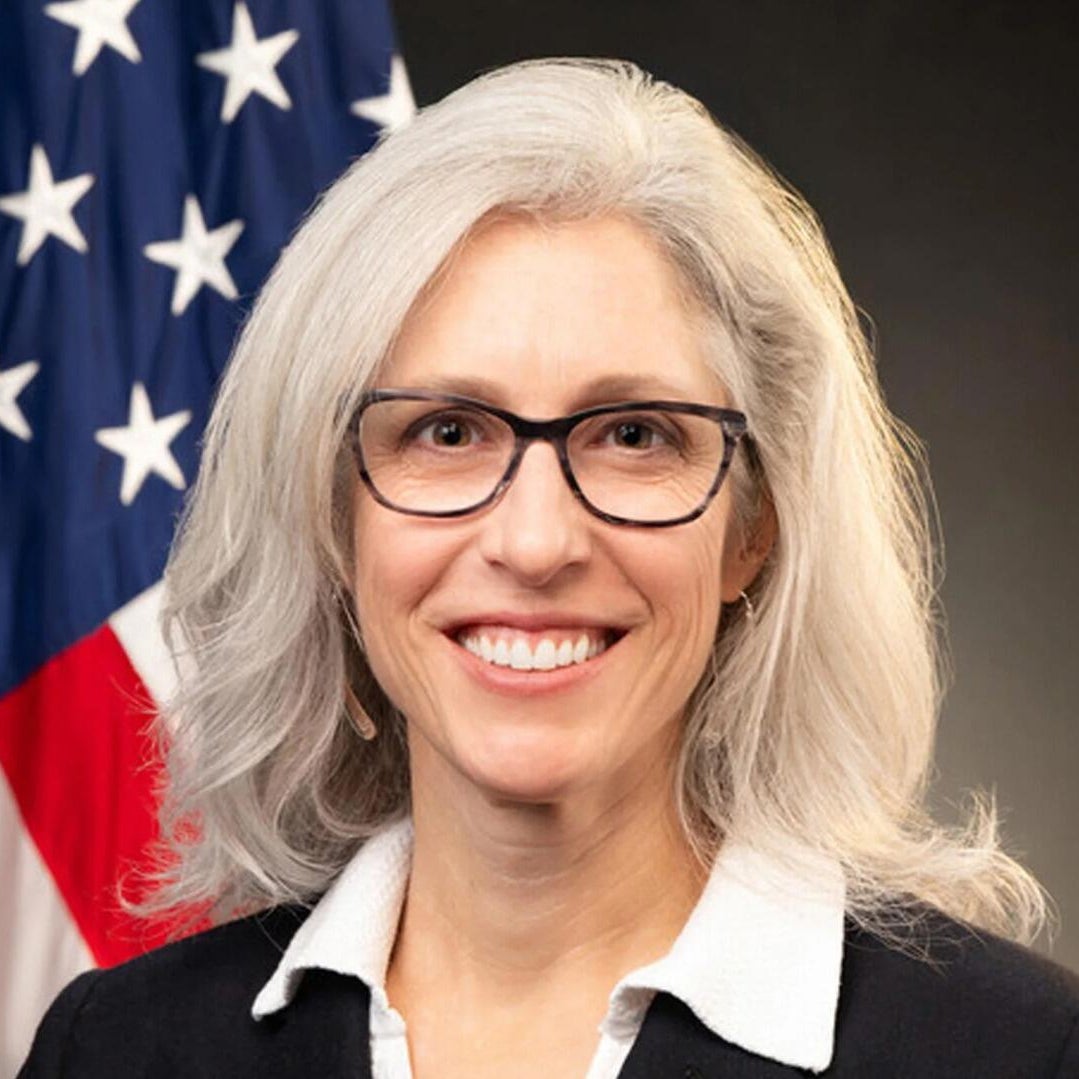
Confirmation of Susan Monarez as CDC Director
The U.S. Senate confirmed Susan Monarez as the new director of the Centers for Disease Control and Prevention (CDC) on Tuesday, with a vote along party lines of 51 to 47. President Trump had nominated her for the role in March, praising her as "an incredible mother and dedicated public servant" who "understands the importance of protecting our children, our communities, and our future."
Monarez has been serving as the acting head of the CDC since January and previously held the position of head of the Advanced Research Projects Agency for Health. Her appointment was considered somewhat surprising because, unlike most recent CDC directors, she holds a Ph.D. but is not a medical doctor.
The CDC highlighted that Monarez brings "decades of distinguished experience in health innovation, disaster preparedness, global health, and biosecurity" to the agency. She is expected to help advance the mission of "Make America Healthy Again."
Key Points from the Confirmation Hearing
During her confirmation hearing before the Senate's Health, Education, Labor and Pension (HELP) committee on July 9, Monarez received praise from the Republican chairman, Sen. Bill Cassidy, who is a physician, for her commitment to rebuilding public trust in the wake of the COVID-19 pandemic. However, Democrats on the committee raised concerns about the impact of cuts in federal funding for health programs and medical research, as well as the CDC's role under Health and Human Services Secretary Robert F. Kennedy Jr.
Monarez faced questions on a range of health topics during the hearing, including vaccines, fluoride, and the measles outbreak.
Vaccines and Public Health
Monarez was questioned extensively about vaccine recommendations. Robert F. Kennedy Jr. has long been a critic of vaccines, promoting a discredited theory linking routine childhood shots to autism. During the hearing, Monarez refuted this view, stating that she has "not seen a causal link between vaccines and autism."
Amid a growing measles outbreak this year, Kennedy acknowledged the vaccine's efficacy against the disease while still supporting individual choice. In a March interview with CBS News, he encouraged people to get the measles vaccine.
"If I'm confirmed as CDC director, I look forward to supporting the secretary with science and evidence, and making sure that I am giving him the best information possible," Monarez said at her confirmation hearing. "Measles is an important health threat and we have to make sure we are doing everything that we can to prevent and mitigate it."
Monarez also addressed concerns about the continued availability and affordability of vaccines if the CDC's vaccine advisory panel, made up of new RFK Jr. appointees, makes changes to recommendations. She emphasized that "vaccines absolutely save lives" and committed to prioritizing vaccine availability if confirmed.
Fluoride and Public Health Policy
Fluoride, another topic Kennedy has spotlighted, was also discussed during Monarez's hearing. This year, two states, Utah and Florida, became the first to ban the use of fluoride in drinking water, where it has been added for decades to help prevent tooth decay.
"Fluoride is an important component to oral health, and there are various aspects of using fluoride to improve oral health — a direct application can be very valuable," Monarez said. Democratic Sen. Angela Alsobrooks of Maryland specifically asked whether the water in Potomac, Maryland, which has fluoridation, is safe for families. Monarez replied: "I believe the water in Potomac, Maryland is safe."
Measles Outbreak and Leadership
Measles came up repeatedly as senators questioned Monarez about how she would interact with Kennedy in her role at the CDC. Democratic Sen. Maggie Hassan of New Hampshire emphasized the need for political independence, stating, "The CDC director can't perform this critical role unless they are politically independent. Which means that you must be willing to disagree with political leaders based on scientific evidence."
Monarez responded that she would welcome the opportunity to share her opinions based on science and evidence with Kennedy. After sidestepping a question about whether she disagrees with anything Kennedy has done, Hassan pressed further, asking about Kennedy's claim that it's "very difficult for measles to kill a healthy person." This year's measles outbreak, centered in West Texas, killed two children who doctors said did not have previous health conditions.
Monarez clarified that measles is an "important public health threat" that can be lethal. Her responses underscored her commitment to public health and scientific integrity in her new role as CDC director.

Post a Comment for "What the New CDC Chief Says About Vaccines, Fluoride, and More"
Post a Comment