U.S. Faces Potential Tariff Refund as Court Battle Threatens Deficit and Bond Markets
The Potential Impact of Tariff Reversal on the U.S. Economy
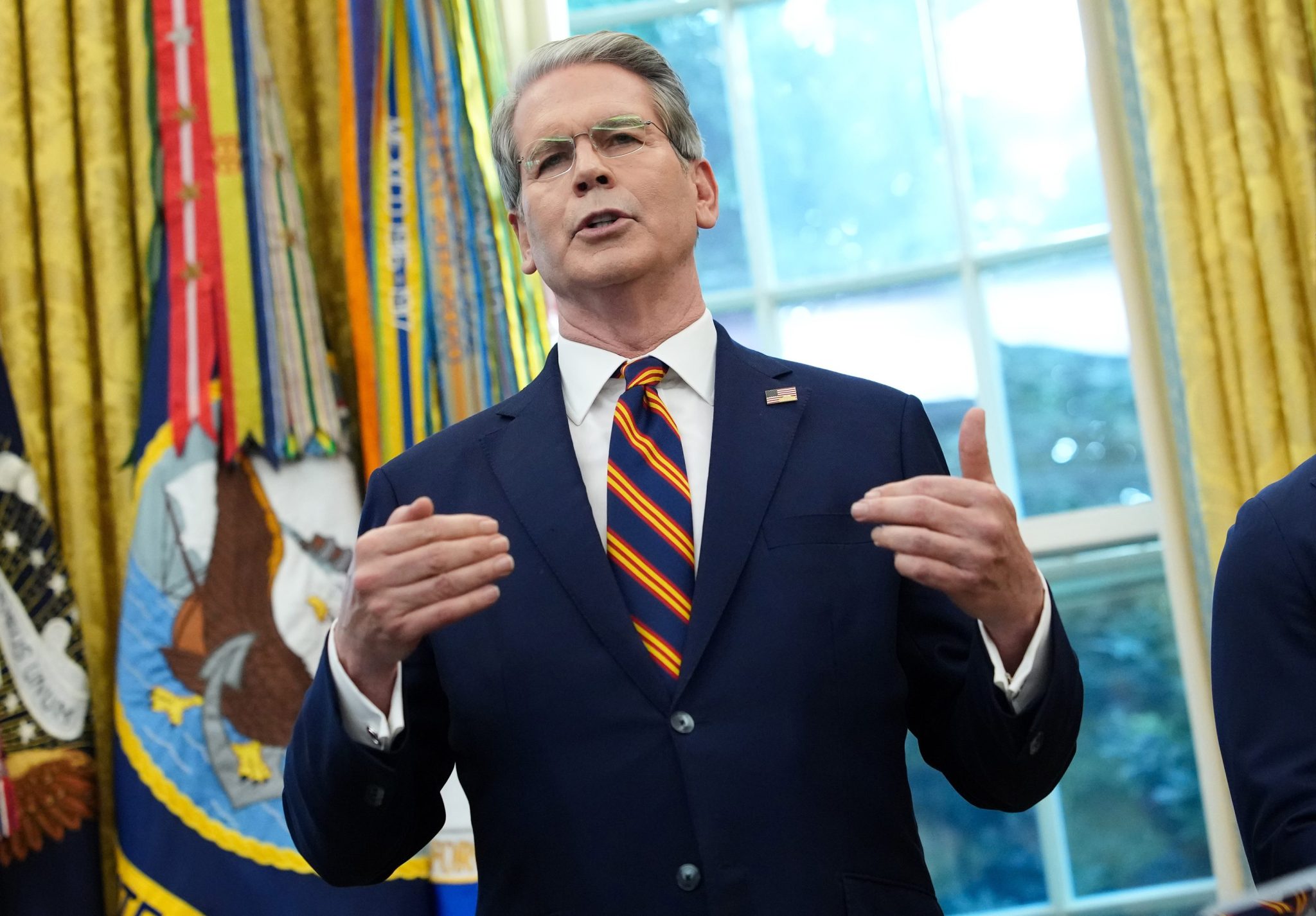
Treasury Secretary Scott Bessent has indicated that if the Supreme Court rules in favor of the argument that President Donald Trump’s reciprocal tariffs are illegal, the federal government could be required to return approximately half of the revenue collected from these tariffs. This potential reversal could significantly affect the budget deficit and raise concerns about the country's fiscal stability.
Bessent expressed confidence that the Supreme Court would support the Trump administration's position, but he also acknowledged that there are other options available if the court rules against the administration. However, the possibility of having to issue refunds on a substantial portion of tariff revenue remains a serious concern for the Treasury.
A recent decision by a federal appeals court upheld an earlier ruling by the Court of International Trade, which determined that the legal foundation for the IEEPA tariffs was not valid. The 7-4 decision is set to take effect on October 14, allowing time for the administration to appeal to the Supreme Court. It is important to note that this ruling does not impact sectoral tariffs such as those on autos, aluminum, and steel, which were imposed under a different legal framework.
According to the White House, the U.S. has collected $158 billion in total tariff revenue this calendar year. This includes both the IEEPA tariffs currently under legal challenge and those that are not. Trump's tariff policy has become a significant source of revenue, especially following tax cuts by lawmakers, with expectations of generating between $300 billion and $400 billion annually.
The importance of this revenue stream is highlighted by S&P Global, which cited it when reaffirming the U.S. credit rating. Additionally, the Congressional Budget Office has estimated that tariffs have helped reduce the federal budget deficit by trillions of dollars.
While not all tariff revenue is at risk, losing a large portion could create significant challenges for the deficit and bond market. Thomas Ryan, North America economist at Capital Economics, noted that if the IEEPA tariffs are eliminated, the effective tariff rate could drop from 17% to about 8%, potentially increasing the federal budget deficit to nearly 7% of GDP, up from around 6%. This scenario could lead to increased concerns about the fiscal outlook and higher bond yields.
In a more severe case where the Supreme Court delays its decision for several months and rules against the tariffs, the deficit could approach 8% of GDP, according to Ryan. However, the end of the IEEPA tariffs could provide economic benefits if Trump does not replace them with additional duties. In that case, fiscal policy might create a net stimulus effect of about $200 billion instead of remaining neutral, and the risk of further inflation could be reduced.
Meanwhile, the latest jobs report revealed that the labor market weakened considerably during the spring and summer, with sectors most affected by tariffs experiencing the greatest losses. Ryan suggested that the administration might expand tariffs under a different legal basis to compensate for lost IEEPA revenue, maintaining an effective rate of at least 10% and limiting any stimulus effects.

Post a Comment for "U.S. Faces Potential Tariff Refund as Court Battle Threatens Deficit and Bond Markets"
Post a Comment