UnitedHealth Cuts Medicare Advantage Plans, Leaving 600K Without Coverage
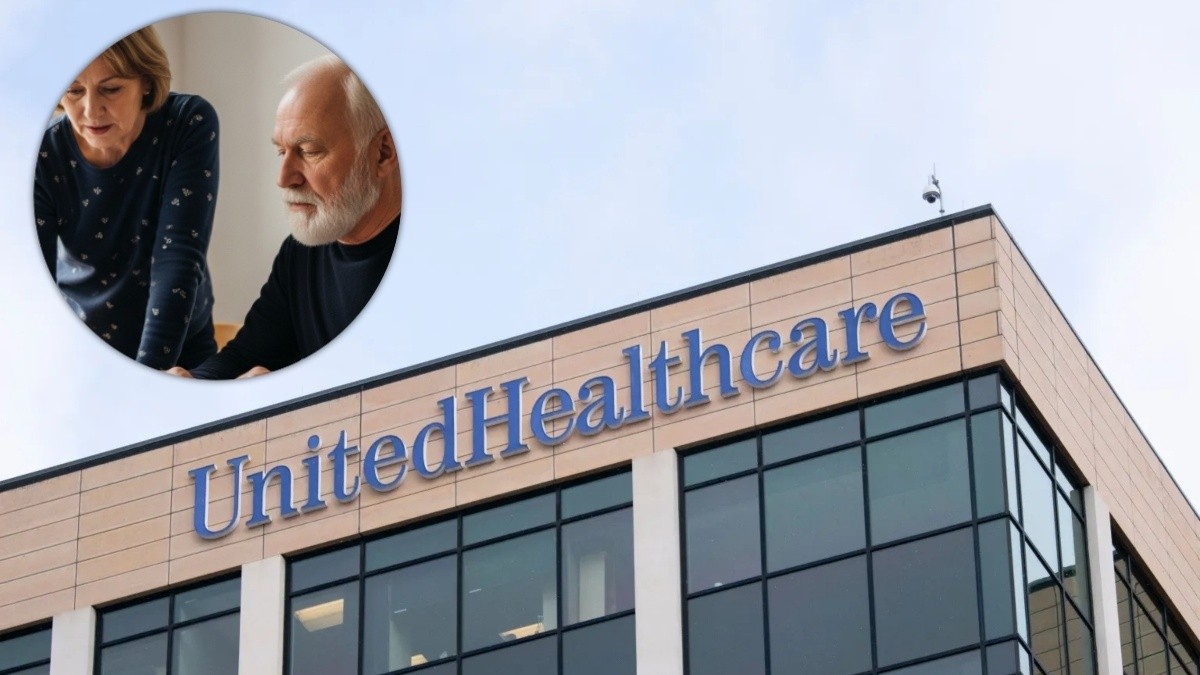
UnitedHealth Group's Strategic Shift in Medicare Advantage Plans
As of July 2025, UnitedHealth Group has announced its decision to exit several Medicare Advantage plans, a move that will impact over 600,000 enrollees across the United States. This decision, revealed during the company’s second-quarter earnings call, represents a major adjustment in its insurance portfolio. The shift comes amid rising healthcare costs and increasing operational challenges.
Tim Noel, CEO of UnitedHealthcare’s insurance division, explained that the changes will primarily affect “less managed products,” particularly Preferred Provider Organization (PPO) offerings. These plans are often chosen for their broader access to providers and fewer restrictions compared to Health Maintenance Organization (HMO) plans. However, they will be eliminated in certain regions as part of UnitedHealth’s cost-control strategy.
Medicare Advantage is a private health insurance system approved by Medicare, serving more than 32.8 million Americans—over 54% of the Medicare-eligible population, according to the Kaiser Family Foundation. As the largest health insurer in the U.S., UnitedHealthcare provides coverage to approximately 50 million people through various insurance products.
Despite a 13% revenue growth in the second quarter, UnitedHealth’s net earnings dropped by 19%, falling to $3.41 billion. The primary factor behind this decline was a surge in medical costs, which increased by 20% year-over-year to $78.6 billion—the company’s largest operational expense.
Noel highlighted that the long-standing cost problem in the U.S. healthcare system is accelerating. He pointed to an increase in emergency room visits and a rise in complex billing practices by healthcare providers. Physicians are ordering more diagnostic tests and services per visit than expected, driving up costs across the board.
In addition to emergency care, insurers like UnitedHealth are also facing rising costs associated with prescription medications. Expensive new treatments, including gene therapies and advanced medications for cancer and obesity, have started to strain budgets. These challenges have led health insurers to reassess both their plan designs and pricing strategies.
To address these financial pressures, UnitedHealth is implementing several internal changes. Noel mentioned that enhanced auditing tools, updated clinical policies, and stronger payment integrity measures are being deployed to identify and reduce unnecessary spending. The focus remains on “safety and quality” while cracking down on unusual coding and billing patterns that may indicate waste or abuse.
Artificial intelligence is playing an increasingly important role in the company’s approach. According to Noel, UnitedHealth is investing heavily in AI tools aimed at improving the patient and provider experience while supporting administrative cost savings. This includes optimizing prior authorization processes and streamlining service delivery through automation.
Looking ahead, UnitedHealth signaled that more changes could be on the horizon. Noel indicated that consumers could expect “very responsive pricing for 2026,” reflecting the company’s intensified remediation efforts and structural adjustments.
While the exit from certain Medicare Advantage plans reflects only a portion of UnitedHealth’s offerings, the move highlights the volatility within the private insurance market. For the more than 600,000 affected individuals, the change means seeking alternative coverage in a system already burdened by rising costs and limited access.
The real test may lie ahead: whether UnitedHealth—and the broader insurance industry—can adapt to growing healthcare demands without compromising affordability and care quality for millions of Americans.

Post a Comment for "UnitedHealth Cuts Medicare Advantage Plans, Leaving 600K Without Coverage"
Post a Comment