Ukraine's Interceptor Drones Destroy 150 Russian UAVs in One Night, Zelenskyy Reports
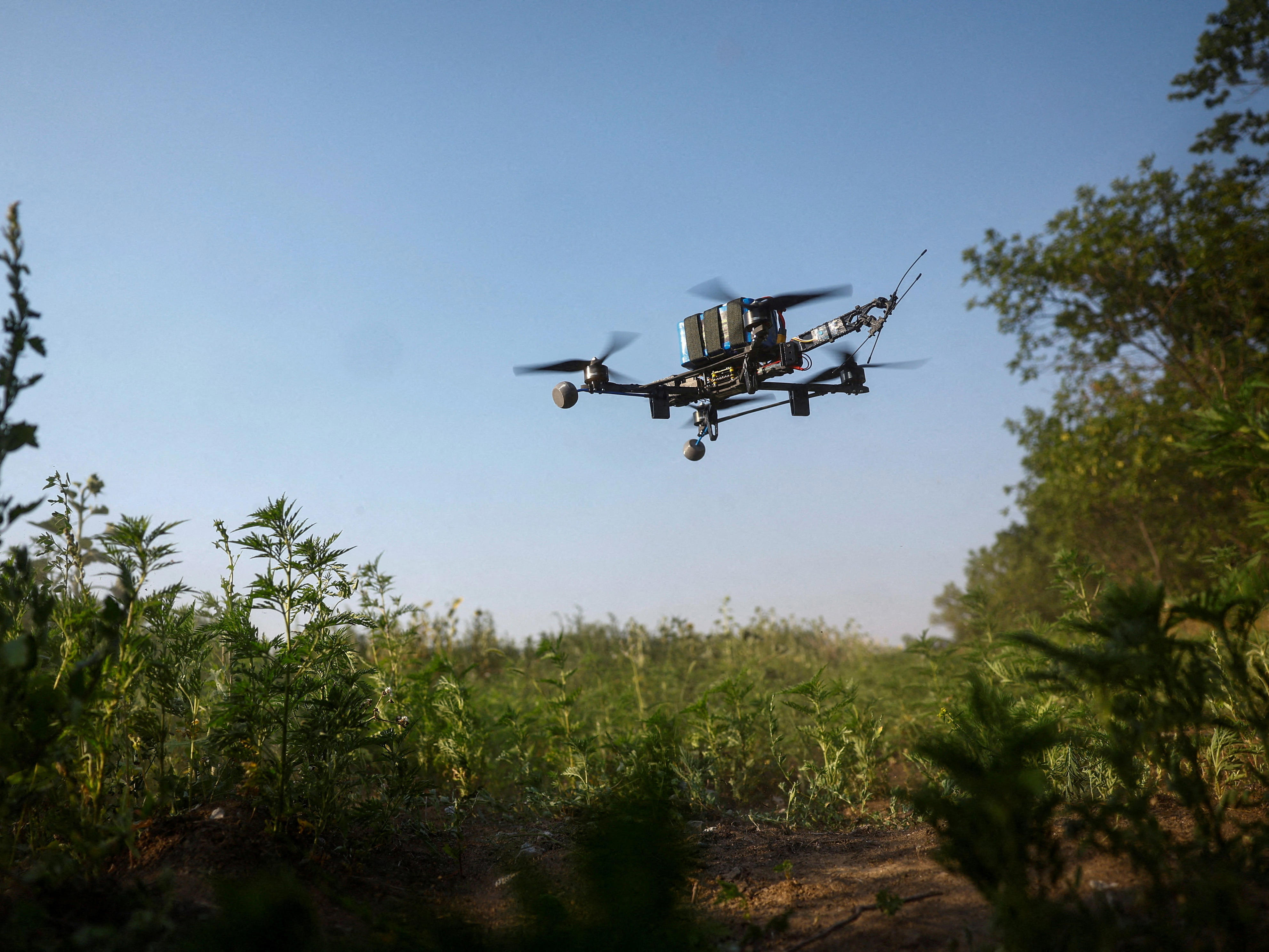
Ukraine's Air Defense Strategy Evolves with Interceptor Drones
Ukraine has made significant progress in its efforts to counter the increasing drone attacks from Russia. According to Ukrainian President Volodymyr Zelenskyy, the country successfully intercepted 150 Russian drones in a single night, marking a major milestone in its air defense strategy. This event represents one of the largest drone attacks yet, with Russia launching a total of 810 drones in a single wave, including over 400 Shahed loitering munitions.
Zelenskyy emphasized that this success highlights Ukraine’s growing capability to defend itself against these aerial threats. However, he also acknowledged that there is still much work to be done. “Of course, not everything is being shot down yet, and we still need to further strengthen our air defenses,” he stated during his public address.
The Rise of Interceptor Drones
Interceptor drones have become a key component of Ukraine’s air defense system. These high-speed, uncrewed aerial systems are designed to chase down and destroy enemy drones midair by crashing into them. Many of these interceptors are first-person-view drones, which provide live camera footage to pilots who must maneuver the system into position for a direct hit.
The use of these interceptors is a relatively new approach, but it is gaining traction as Ukraine adapts to the evolving tactics of its adversary. With Russia increasingly relying on loitering munitions like the Shahed-136, Ukraine has shifted its focus toward developing interceptors capable of countering these specific threats.
A Decentralized Approach to Drone Production
Unlike traditional military equipment, Ukraine’s drone production is largely decentralized. Local manufacturers across the country are producing their own versions of interceptor drones, which are then sold or donated to air defense units under government coordination. This approach allows for rapid development and deployment, ensuring that Ukraine can keep up with the scale of Russian drone attacks.
Zelenskyy has stressed the importance of this initiative, stating that the number of Shaheds used in each attack is typically between 300 and 400. He emphasized that Ukraine’s interceptors must match this level of production to effectively counter the threat. “This is realistic,” he said, underscoring the potential of the technology.
Complementary Air Defense Measures
In addition to interceptor drones, Ukraine’s air defense system includes a variety of other measures such as jamming, air-to-air missiles, surface-to-air missiles, and mobile fire groups. These teams consist of vehicle crews equipped with mounted machine guns and are often deployed to provide immediate response to incoming threats.
However, these traditional methods have struggled to keep up with the sheer volume of drones launched by Russia. The country has been accumulating attack drones and ballistic missiles, enabling it to launch large-scale strikes with greater frequency.
The Shahed Threat and Cost Considerations
The Shahed-136, originally developed in Iran, has become a staple of Russia’s drone attacks. It is known for its ability to fly at speeds of around 115 mph, making it a challenging target for interceptors. To counter this, Ukraine is working to develop faster and more effective interceptors.
Russia also uses a similar drone called the Gerbera, which is designed to mimic the Shahed and overwhelm Ukrainian defenses. Kyiv hopes that interceptors will serve as a cost-effective solution to this growing threat. While a single Shahed costs Russia approximately $35,000, many interceptors cost between $2,000 and $6,000, making them a more economical option.
Financial and Operational Challenges
Zelenskyy highlighted the importance of securing funding and contracts for the development and deployment of interceptor drones. “Developing this interceptor technology, deploying it, training crews, all of this saves lives,” he said, emphasizing the critical role of these systems in protecting civilians and military personnel.
Despite these efforts, the recent drone attack on Sunday marked one of the most intense waves yet. Although 150 drones were intercepted, approximately 56 managed to get through, with at least one hitting the parliamentary headquarters in Kyiv. At least four people, including an infant, were killed in the attack.
As Ukraine continues to refine its air defense capabilities, the role of interceptor drones will likely grow even more prominent in the coming months.

Post a Comment for "Ukraine's Interceptor Drones Destroy 150 Russian UAVs in One Night, Zelenskyy Reports"
Post a Comment