UCF Researchers Develop Nanoparticle Therapy to Reverse Radiation Damage and Restore Bone Health
Revolutionary Nanoparticles Offer New Hope for Radiation Protection and Healing
At the University of Central Florida (UCF), a team of researchers is making waves with their groundbreaking development of nanoparticles that could protect against and even reverse damage caused by radiation exposure. These microscopic particles, engineered using a rare earth metal called cerium, have the potential to revolutionize medical treatments for cancer patients, astronauts, and nuclear first responders.
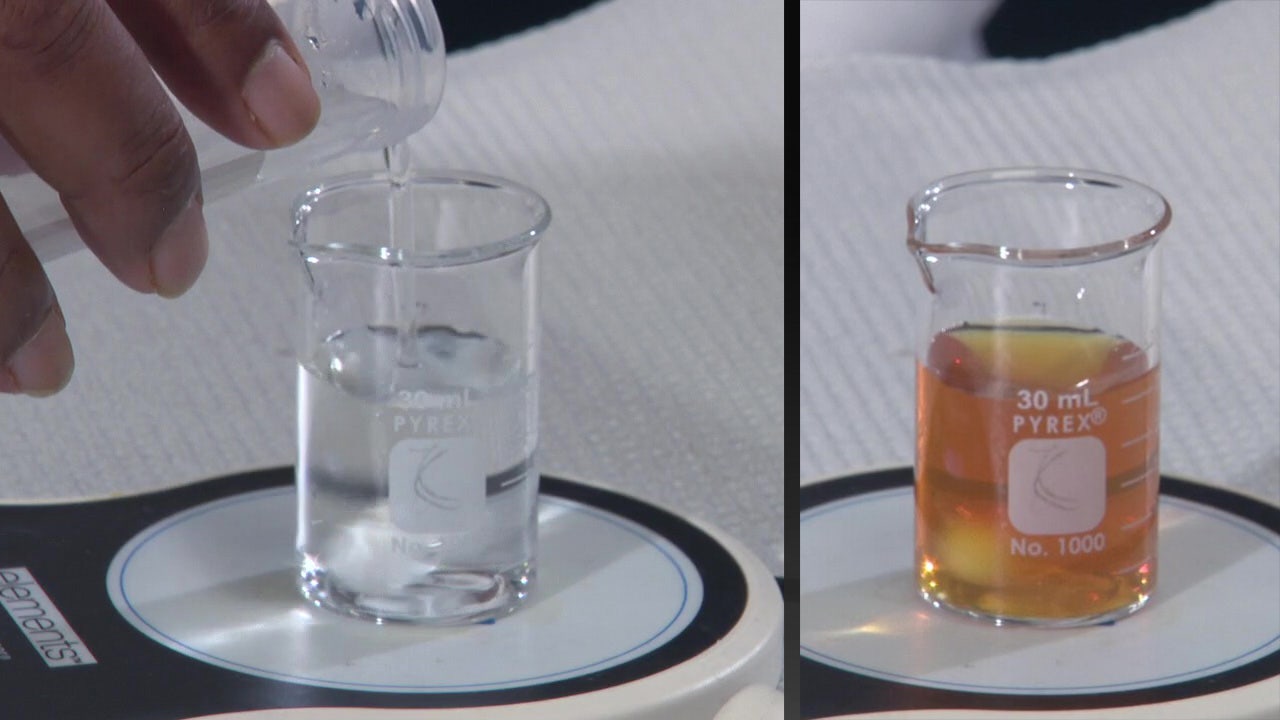
The process begins with a simple-looking solution in a test tube. However, when mixed with an oxidizer, the cerium atoms break down into incredibly small particles—so tiny that it would take slicing a human hair into 100,000 pieces to match their size. The result is trillions of nanoparticles, each designed to perform specific functions within the body.
Dr. Sudipta Seal, who leads the research alongside Dr. Melanie Coathup, explains that these nanoparticles can be shaped into various forms, such as rods, spheres, or even star-like structures, depending on the conditions used during production. This level of control allows scientists to tailor the particles for different applications.
A Synergistic Therapy for Health and Healing
One of the most promising aspects of this research is the combination of these nanoparticles with a drug known as P7C3. Originally studied for neurological disorders like Parkinson’s and Alzheimer’s, P7C3 has shown great potential when paired with the nanoparticles. Together, they form a powerful therapy that offers several benefits:
- Protecting medicine as it travels through the body
- Neutralizing harmful free radicals
- Stimulating blood vessel growth
- Reducing inflammation
- Triggering bone regeneration
Dr. Coathup highlights that the nanoparticles enhance blood vessel formation and help regulate the cells responsible for inflammation. Early tests suggest that these particles not only prevent damage from radiation and bone loss but may also reverse it.
Applications Beyond Earth
The implications of this breakthrough extend far beyond the lab. For cancer patients undergoing radiation therapy, the treatment could reduce side effects and speed up recovery. Astronauts, who are exposed to harmful cosmic radiation during space missions, could benefit significantly as well. On Earth, first responders entering nuclear disaster zones could also find protection from radiation exposure.
Dr. Coathup notes that the nanoparticles work effectively as a preventative strategy, reducing inflammation and bone loss associated with radiation exposure. For astronauts on the International Space Station, who typically lose 1–2% of bone density per month, this treatment could address one of the major challenges of long-term space missions to the Moon or Mars.
The UCF team is already collaborating with NASA and working closely with colleagues at the Johnson Space Center. Their goal is to bring this technology to scale, ensuring it can be used in real-world scenarios.
What’s Next for the Research?
The next phase involves larger-scale experiments, safety testing, and eventually seeking FDA approval. This means building manufacturing capabilities and continuing partnerships with government agencies. Both Dr. Coathup and Dr. Seal express cautious optimism about the future of the project.
“If all goes well, we could have a treatment within five to ten years,” said Dr. Seal. The team is planning more tests to confirm their results as they ramp up production.
Exploring More
For those interested in learning more about UCF’s groundbreaking work, including visuals from the lab, the “Breakthroughs in Science” section on the FOX Local app offers an extended look at the research and its potential impact.
This innovative approach to nanotechnology represents a significant step forward in medical science, offering hope for improved health outcomes across multiple fields. As the research progresses, the possibilities for application continue to expand, promising a future where radiation damage can be prevented and even reversed.

Post a Comment for "UCF Researchers Develop Nanoparticle Therapy to Reverse Radiation Damage and Restore Bone Health"
Post a Comment