Trump's State Visit: A Triumph for Britain's Monarchy
A Celebration of Royal Hospitality and Public Discourse
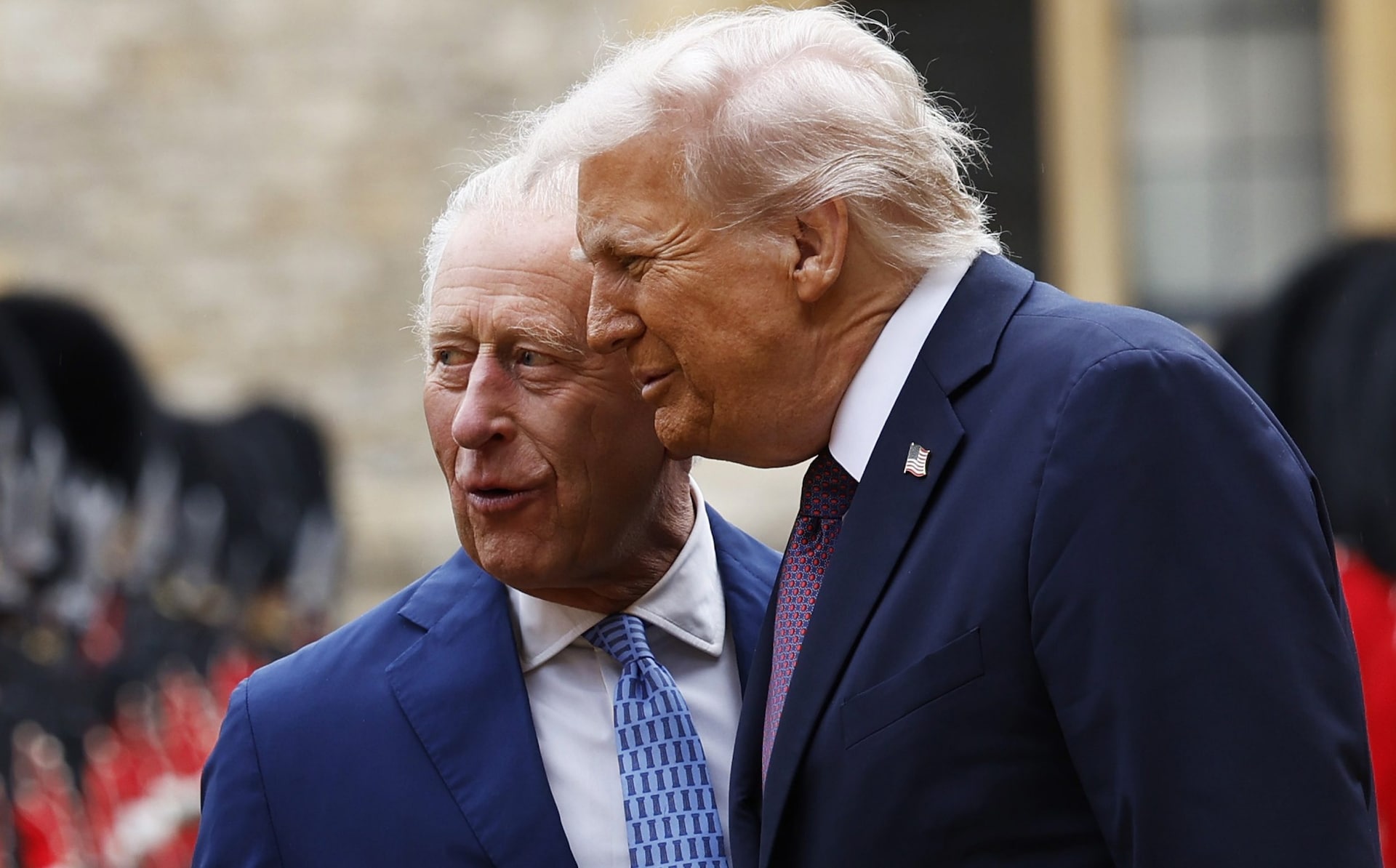
The recent state visit of Donald Trump to the United Kingdom was a momentous occasion, marked by grandeur and tradition. Hosting a foreign leader at Windsor Castle, with all its historical significance and ceremonial splendor, is no small feat. The event showcased the enduring appeal of the British monarchy, which continues to captivate both domestic and international audiences.
Many readers expressed admiration for the royal family's commitment and dedication. One letter highlighted that the royal family gives more than they receive, working tirelessly for the country and serving as an inspiration globally. This sentiment raises an important question: how can those advocating for a republic find a president as capable as the monarchs who have ruled this nation?
Another reader shared their pride in the seamless execution of the event. The precision of the Red Arrows’ performance, timed perfectly with the national anthem "Land of Hope and Glory," was described as exceptional. The experience left one reader deeply moved, emphasizing the power of such moments to evoke strong emotions.
However, not all responses were positive. Some readers voiced disappointment with the treatment of the U.S. president during his visit. One letter criticized the presence of protesters who jeered at the guest of honor, suggesting that such behavior reflects poorly on the values of the country. Others questioned the inconsistency in how different leaders are received, noting that past visits were met with more respect and enthusiasm.
There was also a discussion about freedom of speech, particularly in light of recent events involving American media and political figures. One reader pointed out the irony of prominent Americans criticizing Britain on this issue, given the legal battles faced by figures like Donald Trump against the New York Times. The debate around free expression and its implications remains a complex topic, especially in today’s polarized climate.
A Focus on Palliative Care
In a separate but equally important discussion, several letters addressed the importance of palliative care. One contributor, a professor of psychiatry, reflected on the transformative impact of compassionate care for terminally ill patients. She emphasized the need for comprehensive support that addresses physical, emotional, and spiritual needs, highlighting the legacy of Dame Cicely Saunders, the founder of St Christopher’s Hospice.
The role of hospices in providing critical end-of-life care was also discussed. With government funding covering only a fraction of the costs, charitable donations play a vital role in sustaining these essential services. A coalition of hospices is urging more people to consider leaving gifts in their wills to ensure continued care for those in need.
Everyday Stories and Reflections
Beyond politics and public affairs, the letters section featured a variety of personal anecdotes and reflections. One reader shared a recipe for green tomato marmalade, offering a creative solution to a surplus of produce. Another recounted the long-lasting value of a bespoke jacket, passed down through generations and still in excellent condition.
The theme of heritage and family traditions was evident in several letters. From inherited clothing to cherished family heirlooms, these stories illustrate the deep connections people maintain with their past.
A Call for Better Leadership
A discussion on the quality of political leadership emerged, with one reader arguing that attracting better-qualified politicians could improve governance. However, the challenges of entering politics—such as financial sacrifices and increased scrutiny—were acknowledged as significant barriers.
Another letter touched on the evolving meaning of patriotism, with some readers expressing a preference for quiet, lived patriotism over overt displays of national symbols. This debate highlights the diverse ways in which people express their love for their country.
The Role of Armed Police
A final letter addressed the contentious issue of arming police officers. While concerns about the potential risks were raised, the writer argued that in an increasingly violent society, armed officers may be necessary to protect both the public and law enforcement personnel. Drawing from personal experience, the writer emphasized the importance of proper training and management to minimize risks.
These letters reflect a wide range of perspectives, from admiration for royal traditions to critical discussions on contemporary issues. They underscore the richness of public discourse and the ongoing dialogue that shapes the nation’s identity.

Post a Comment for "Trump's State Visit: A Triumph for Britain's Monarchy"
Post a Comment