Trump's Fed Visit Sparks New Chapter in Rate War Saga
The Escalating Conflict Between Trump and the Federal Reserve
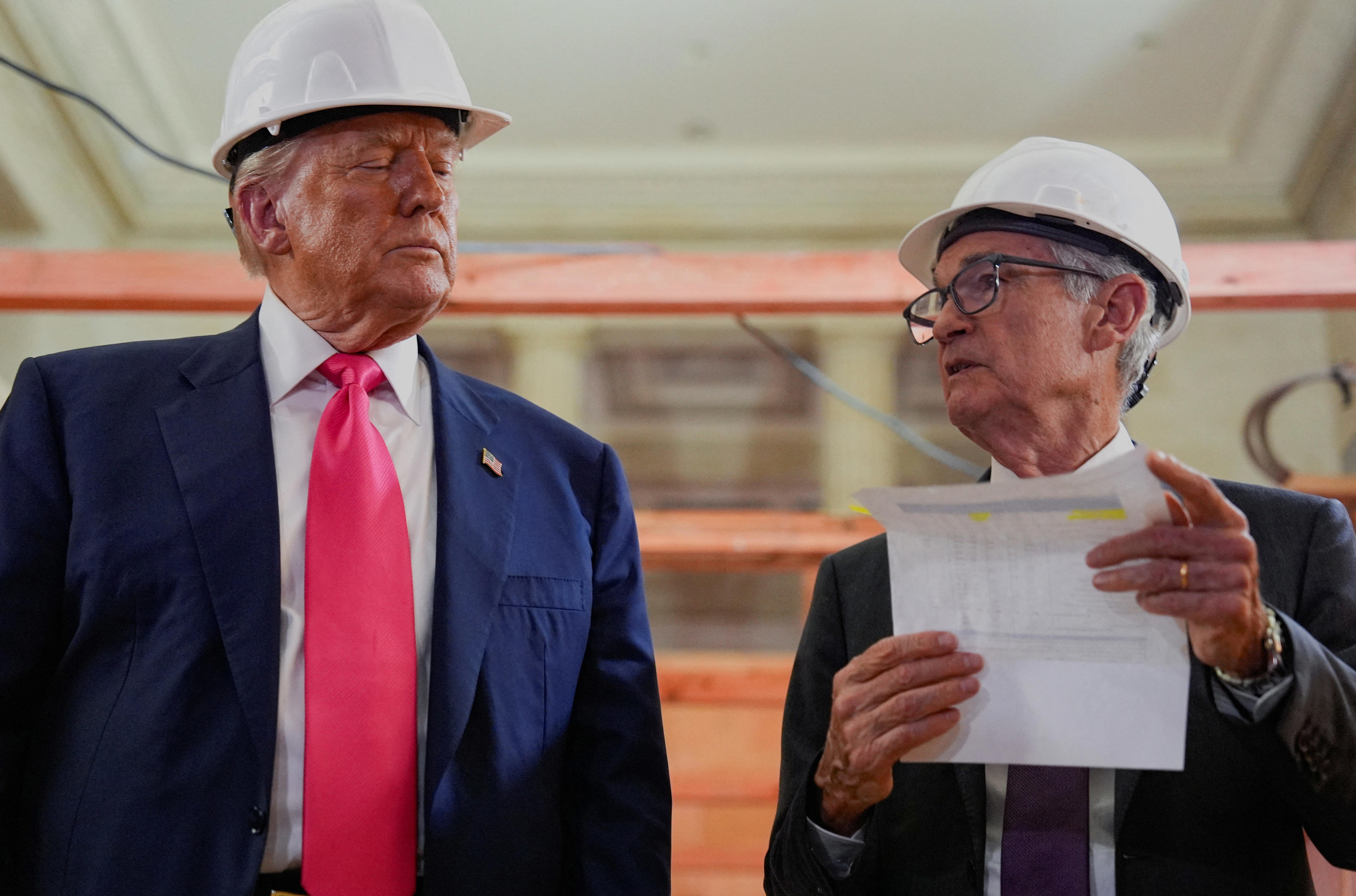
President Donald Trump's visit to the Federal Reserve on July 24 has added a new chapter to his ongoing battle with Fed Chair Jerome Powell. This latest encounter highlights the president’s growing frustration with the central bank’s approach to interest rates, which he believes is hindering economic growth.
Trump has repeatedly criticized Powell for not cutting interest rates quickly enough. He has used strong language, calling Powell a “numbskull” and a “moron,” and even giving him a nickname: “Too Late.” These remarks have been accompanied by hints that Trump might consider removing Powell from his position. However, this pressure has not gone unchallenged, as Powell has maintained that he can only be removed for cause, and the Fed remains committed to its independence.
A Controversial Renovation Project
The conflict took an unexpected turn when the Office of Management and Budget Director Russell Vought accused Powell of mismanaging the Fed’s headquarters renovation. The project, originally budgeted at $1.9 billion, ended up costing $2.5 billion due to overruns. Trump suggested that the cost could be even higher, estimating it at $3.1 billion during his visit to the site. Powell, however, denied this, stating he was unaware of such figures.
During the tour, Trump and Powell debated the details of the renovation. Trump claimed the project included a new building, while Powell clarified that the structure had already been completed five years earlier. Despite the disagreement, the visit ended on a more amicable note, with Trump expressing confidence in Powell’s ability to make the right decisions.
Trump's Economic Demands
Trump’s criticisms of Powell are not new. During his first term, he often complained about the Fed’s slow response to rate cuts. However, the intensity of his attacks has increased significantly in his current administration. Trump has repeatedly called for lower interest rates, arguing that they would stimulate the economy and reduce the government’s borrowing costs.
In January, just days after his inauguration, Trump suggested that lower oil prices would allow the Fed to cut rates more aggressively. He also claimed to understand interest rates better than Fed officials, implying that Powell was not making the right decisions.
In April, after Powell warned that Trump’s tariffs could lead to higher inflation, the president expressed frustration, saying that Powell’s “termination cannot come fast enough.” Later, after a weak jobs report, Trump again pressured Powell to lower rates, claiming that other countries had done so more frequently.
The Role of the Federal Reserve
The Federal Reserve was established as an independent agency to ensure that monetary policy decisions are based on economic data rather than political pressures. Experts warn that if Powell were to yield to Trump’s demands without proper justification, it could undermine public confidence in the Fed’s ability to manage inflation effectively.
While Powell does not have full control over interest rates—decisions are made by the Fed’s policymaking committee—he can influence the direction of monetary policy. Despite the pressure, Powell has remained focused on his role, emphasizing that he is committed to doing his job regardless of external criticism.
A History of Tension
This conflict between Trump and the Fed is not entirely new. When Trump appointed Powell as Fed chair in 2018, he initially supported the decision. However, tensions arose when the Fed began raising interest rates following the 2008 financial crisis. Trump criticized Powell for favoring “cheap money” and expressed disappointment with the rate hikes.
In 2019, Trump continued to push for lower rates, suggesting that the Fed should resume bond purchases to bring down long-term rates. His frustration with the Fed’s pace of action has only grown over time, leading to increasingly public and vocal criticisms.
The Broader Implications
The ongoing feud between Trump and the Fed raises important questions about the balance between political leadership and economic independence. While presidents have historically sought to influence monetary policy, no leader has attempted to pressure a Fed chair as directly and persistently as Trump.
As the debate continues, the focus remains on how the Fed will navigate these challenges while maintaining its credibility and effectiveness in managing the economy. For now, Powell has shown resilience, but the pressure from the White House shows no signs of easing.

Post a Comment for "Trump's Fed Visit Sparks New Chapter in Rate War Saga"
Post a Comment