Trump's DOJ Violates Norms to Elevate Ally Alina Habba as US Attorney
A New Pattern of Conflict Over Federal Prosecutors
President Donald Trump’s administration has taken a bold approach in recent weeks, challenging long-standing traditions by criticizing judges who attempted to bypass his ally as the top federal prosecutor in New Jersey. This move could signal a broader trend in other Democratic-leaning states like California, New York, and Nevada, where similar conflicts may arise.
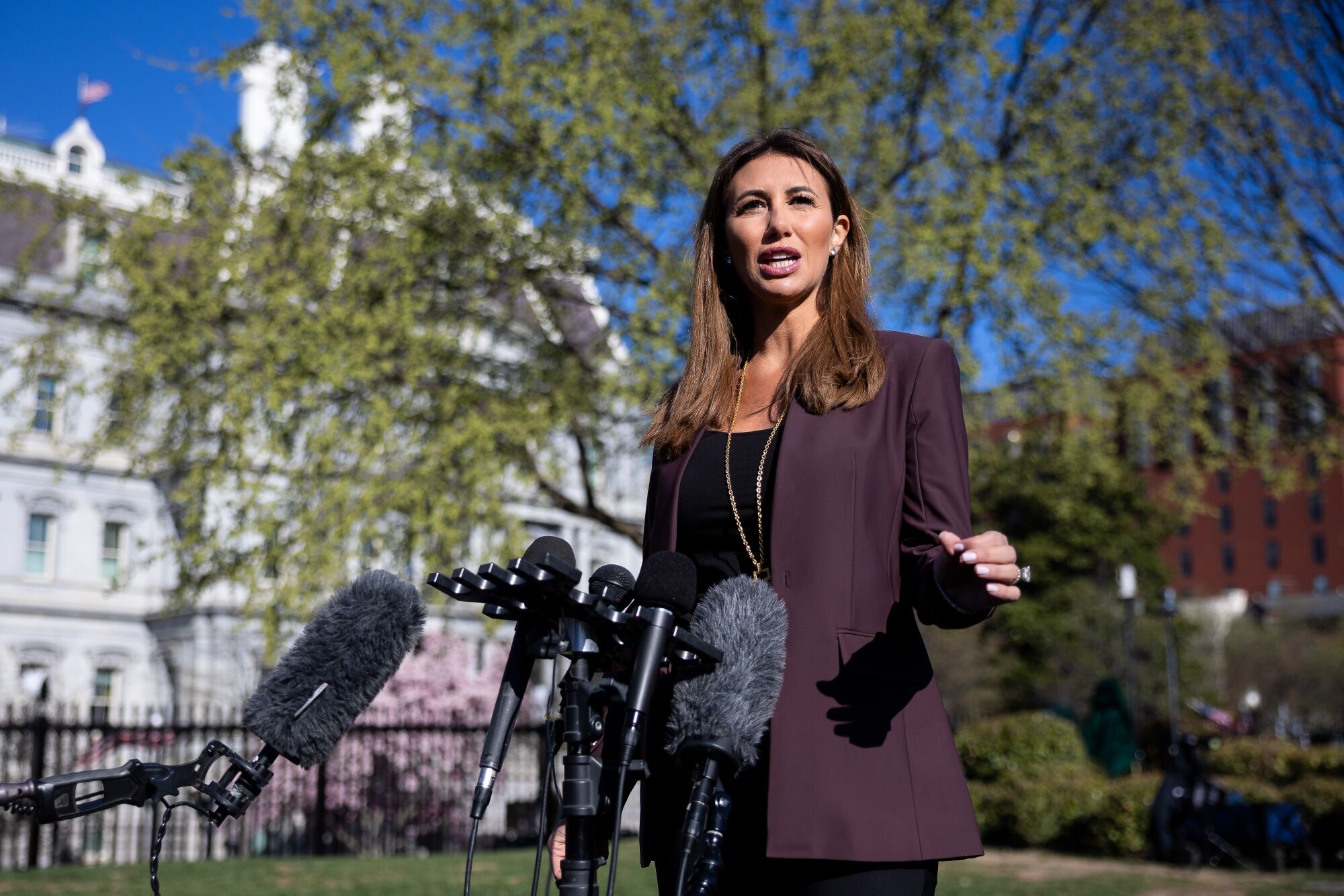
The Justice Department’s efforts to protect interim US Attorney Alina Habba, a former personal attorney to Trump, have raised concerns about potential future disputes over temporary appointments in states with strong Democratic representation. In New Jersey, federal judges recently decided not to extend Habba’s four-month term, which was the maximum she could serve without Senate confirmation. When the judges chose her deputy, Desiree Grace, instead, Attorney General Pam Bondi quickly condemned the decision, calling the judges “politically minded” for overstepping their authority. Hours later, Bondi fired Grace, highlighting the administration’s resistance to judicial decisions that contradict its preferences.
Habba’s term is set to end soon, and what happens next remains uncertain. However, this situation reflects a pattern where Trump and his appointees have consistently challenged judges who oppose them in court cases. The administration has also shown a willingness to test the limits of existing laws to protect its choices.
Legal Uncertainty and Ongoing Debates
Jennifer Selin, an associate law professor at Arizona State University who studies US attorney appointments, noted that the legal framework for appointing interim US attorneys isn’t entirely clear. While it wouldn’t prevent Trump from reappointing Habba, Selin described the situation as “on the fringes of law.”
Grace, a veteran prosecutor who has worked in the New Jersey office since 2016, expressed confidence in her ability to take over the role once Habba’s term ends. In a LinkedIn post, she stated that she had been selected by the District Judges of the District of New Jersey to serve as the United States Attorney for the district. She emphasized that the selection was based on merit and that she was prepared to follow the law and begin her duties accordingly.
Despite these statements, spokespersons for the Justice Department and the US Attorney’s Office in New Jersey have not commented on the situation.
The Role of US Attorneys and Senate Custom
US attorneys typically serve four-year terms after being confirmed by the US Senate. They often leave when a new administration takes office. Under Senate tradition, if a home-state senator opposes a president’s nominee, the full Senate is unlikely to confirm the appointment. This dynamic has led to disputes in more than 20 states that have two Democratic senators, with potential conflicts expected in Nevada, Illinois, and California, where interim appointments are set to expire soon.
Trump has nominated Habba for a four-year term, but she faces strong opposition from New Jersey’s two Democratic senators, Cory Booker and Andy Kim. Additionally, Senate Minority Leader Chuck Schumer has vowed to block all Justice Department nominees unless Trump returns a gifted jet from the Qatari government.
Pushback from the Trump Administration
District judges have the authority to appoint a US attorney until a permanent replacement is found. However, this power has drawn criticism from the Trump administration. Deputy Attorney General Todd Blanche accused New Jersey’s judges of pursuing a “left-wing agenda,” suggesting they were acting as partisans rather than upholding the rule of law.
Daniel Richman, a law professor at Columbia University, warned that such confrontational tactics could backfire. He pointed out that US attorney offices rely on cooperation with judges to carry out their work. An office that openly challenges judges is unlikely to succeed in the long run.
Expanding the Use of Acting Officials
In the Northern District of New York, the Trump administration tested the limits of its authority earlier this month when federal judges refused to extend the 120-day term of John Sarcone, the chief prosecutor. Instead, Attorney General Pam Bondi appointed Sarcone as “Special Attorney to the Attorney General” and “First Assistant US Attorney,” effectively making him the acting leader under federal law governing vacancies.
Sarcone is authorized to conduct the same legal proceedings as US attorneys and can serve indefinitely, according to records. Selin noted that he could potentially serve more than 600 days as an acting official under the vacancy statute, bypassing the Senate process. Acting officials may serve under the vacancy law for up to 210 days, followed by two additional 210-day periods if Senate nominations fail.
This strategy has been used before, with the Trump administration appointing two successive interim leaders in Washington, DC. Jeanine Pirro served a 120-day term after her predecessor, Ed Martin, lacked the Senate votes to advance.
Strategic Moves by the Trump Administration
According to Selin, the Trump administration has been strategically using acting positions to navigate difficulties in the Senate. By extending the tenure of interim officials, the administration can maintain control over key roles without facing the same level of scrutiny or opposition that comes with Senate confirmations.
This ongoing conflict highlights the tension between executive power and judicial independence, raising questions about the future of federal prosecutors in states with strong Democratic majorities. As the situation in New Jersey unfolds, it may set a precedent for how the administration handles similar challenges in other regions.

Post a Comment for "Trump's DOJ Violates Norms to Elevate Ally Alina Habba as US Attorney"
Post a Comment