Trump faces new legal setback on birthright citizenship order
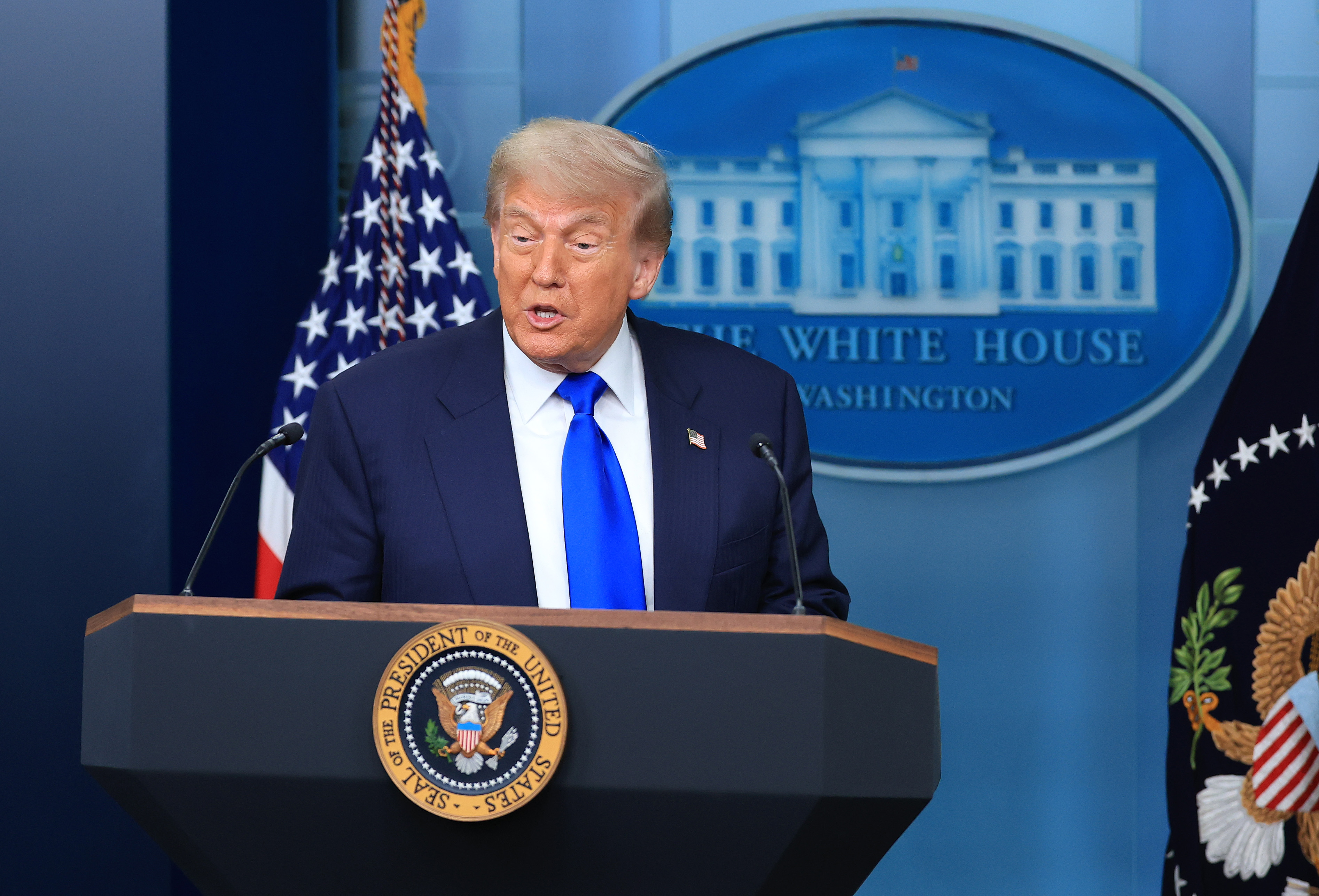
Legal Setback for Trump's Executive Order on Birthright Citizenship
A federal appeals court has delivered a new legal blow to the previous administration’s efforts to alter the rules surrounding birthright citizenship. The U.S. Court of Appeals for the 9th Circuit ruled that President Donald Trump’s executive order, which aimed to change how citizenship is granted to children born in the United States, was unconstitutional.
The ruling reinforces the long-standing interpretation of the 14th Amendment, which guarantees citizenship to anyone born on U.S. soil, regardless of their parents’ legal status. This decision marks a significant setback for Trump’s attempt to redefine the criteria for automatic citizenship.
Key Details of the Ruling
The court’s decision was based on the argument that Trump’s executive order contradicted the plain language of the 14th Amendment. Judge Ronald Gould, who wrote the majority opinion, stated that the executive order’s proposed interpretation—denying citizenship to many individuals born in the U.S.—was unconstitutional. The court agreed with a lower court that had previously blocked the nationwide enforcement of the order.
The ruling came down 2-1, with two judges appointed by former President Bill Clinton forming the majority and one judge, appointed by Trump, dissenting. The case centered around an executive order issued on the day of Trump’s inauguration, in which he claimed that the 14th Amendment had never been interpreted to grant citizenship universally to everyone born in the U.S.
What the Executive Order Proposed
In his January executive order, Trump argued that the 14th Amendment excludes individuals from birthright citizenship if they were not “subject to the jurisdiction thereof.” He proposed that children born in the U.S. would not automatically receive citizenship if either parent was not a citizen or lawful permanent resident at the time of birth.
Specifically, the order outlined two scenarios where citizenship might be denied: when the mother was unlawfully present in the U.S. and the father was not a citizen or permanent resident, or when the mother’s presence was lawful but temporary (such as under a student, work, or tourist visa) and the father was not a citizen or permanent resident.
Reactions from Officials and Experts
White House spokesperson Abigail Jackson responded to the ruling, stating that the Ninth Circuit had misinterpreted the purpose and text of the 14th Amendment. She said the administration looked forward to being vindicated on appeal.
Legal experts and advocates have weighed in on the matter. Former Palm Beach County State Attorney Dave Aronberg noted that any changes to birthright citizenship would require a constitutional amendment rather than an executive order. He emphasized that the president cannot alter the Constitution through executive action alone.
Representative Claudia Tenney, a Republican from New York, supported the idea of limiting citizenship for children born to undocumented immigrants, foreign spies, or terrorists. Meanwhile, Washington State Attorney General Nick Brown, a Democrat, praised the court’s decision, stating that the president cannot strip away the rights of children born in the U.S. with a single executive order.
What Comes Next?
Despite the current ruling, the Trump administration still has the option to appeal the decision. This could lead to a potential Supreme Court review, which may ultimately determine the constitutionality of the executive order.
Legal analysts believe that the dispute will likely reach the highest court in the land, given the wide-ranging implications for states and individuals affected by the policy. The case highlights the ongoing debate over immigration, citizenship, and the limits of presidential power.
Broader Implications
The case underscores the tension between executive authority and constitutional principles. While presidents can issue executive orders on matters within their scope, they cannot unilaterally amend the Constitution. The court’s decision reaffirms that such fundamental changes require legislative action or a constitutional amendment.
As the legal battle continues, the outcome will have lasting effects on immigration policy and the interpretation of the 14th Amendment. The debate over birthright citizenship remains a contentious issue, with deep political and social ramifications.

Post a Comment for "Trump faces new legal setback on birthright citizenship order"
Post a Comment