Trump Dismisses AI Training Payments to Copyright Holders: 'It Doesn't Work That Way'
The Debate Over AI and Copyright
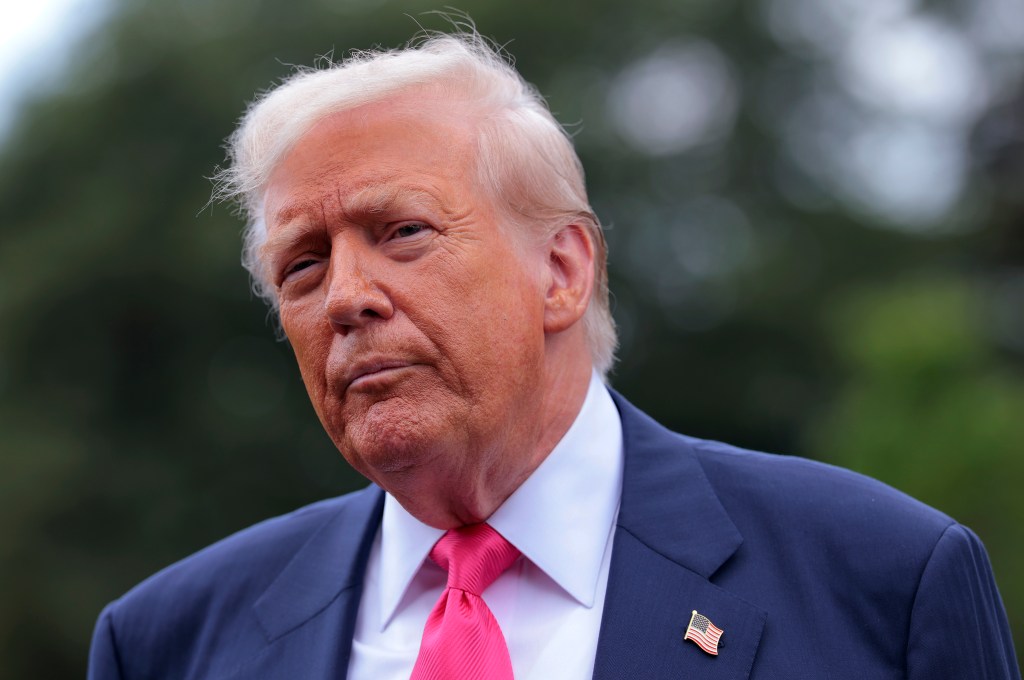
The issue of compensating copyright holders for the use of their works in AI training has sparked a heated debate, with President Trump recently weighing in. At an AI Summit in Washington, D.C., Trump expressed his views on the matter, arguing that it is impractical to require AI companies to pay for every piece of content used in training. He suggested that such a requirement would place the U.S. at a disadvantage compared to countries like China.
Trump emphasized the need for a "common sense" approach that allows for the free development of AI. He pointed out that when people read books or articles, they gain knowledge without having to pay for each source. This analogy extended to AI systems, which he argued should not be burdened by the need to negotiate contracts with every content provider.
Legal Perspectives on AI Training
AI companies have also defended their practices in court, asserting that using copyrighted data for training falls under the protection of fair use. Several federal judges have supported this stance, ruling in favor of companies like Meta and Anthropic in recent cases that dismissed artists' claims of infringement.
In his speech at the Andrew Mellon Auditorium, Trump echoed these arguments, highlighting that reading a book or article does not constitute a copyright violation. He noted that China does not impose similar restrictions, suggesting that the U.S. should adopt a comparable approach.
However, there are strong voices opposing this perspective. The Human Artistry Campaign, a coalition including Hollywood unions such as SAG-AFTRA, the Directors Guild of America, and the Writers Guild of America, advocates for AI training to be conducted only with the consent of rightsholders.
Some supporters of creators propose a payment model similar to organizations like ASCAP or BMI, where AI companies could license works and distribute royalties to rightsholders. This system would allow creators to opt out of training if they choose.
Ethical and Cultural Concerns
Moiya McTier, a senior adviser at the Human Artistry Campaign, has written about the ethical implications of AI consuming and replicating human art. She argues that human art is deeply rooted in lived experiences and cultural contexts. When machines disassemble these elements to create replicas, it raises concerns about cultural appropriation and creative equity.
The legal question of whether AI training constitutes "fair use" remains unresolved. The Supreme Court may ultimately decide this issue, but political branches could also play a role. Sens. Josh Hawley and Richard Blumenthal have introduced legislation aimed at prohibiting AI training on copyrighted works without permission. Hawley criticized AI companies for taking advantage of creators without providing recourse.
Other bills have focused on requiring transparency regarding the copyrighted works used in AI training. The Motion Picture Association (MPA), representing major studios and streaming companies, has advocated for a case-by-case approach to AI and fair use. The MPA believes that existing copyright law is sufficient to address new technological challenges, as courts have done for over a century.
Government Stance and Ongoing Developments
The White House recently issued an AI Action Plan that emphasizes further innovation but did not address the copyright issue directly. This omission has left many stakeholders seeking clarity on how the government will navigate this complex landscape.
As the debate continues, the balance between fostering AI innovation and protecting the rights of creators remains a central concern. With various perspectives and proposed solutions, the future of AI and copyright law will likely involve ongoing dialogue and potential legislative action.

Post a Comment for "Trump Dismisses AI Training Payments to Copyright Holders: 'It Doesn't Work That Way'"
Post a Comment