Trump battles to protect Alina Habba in court clash
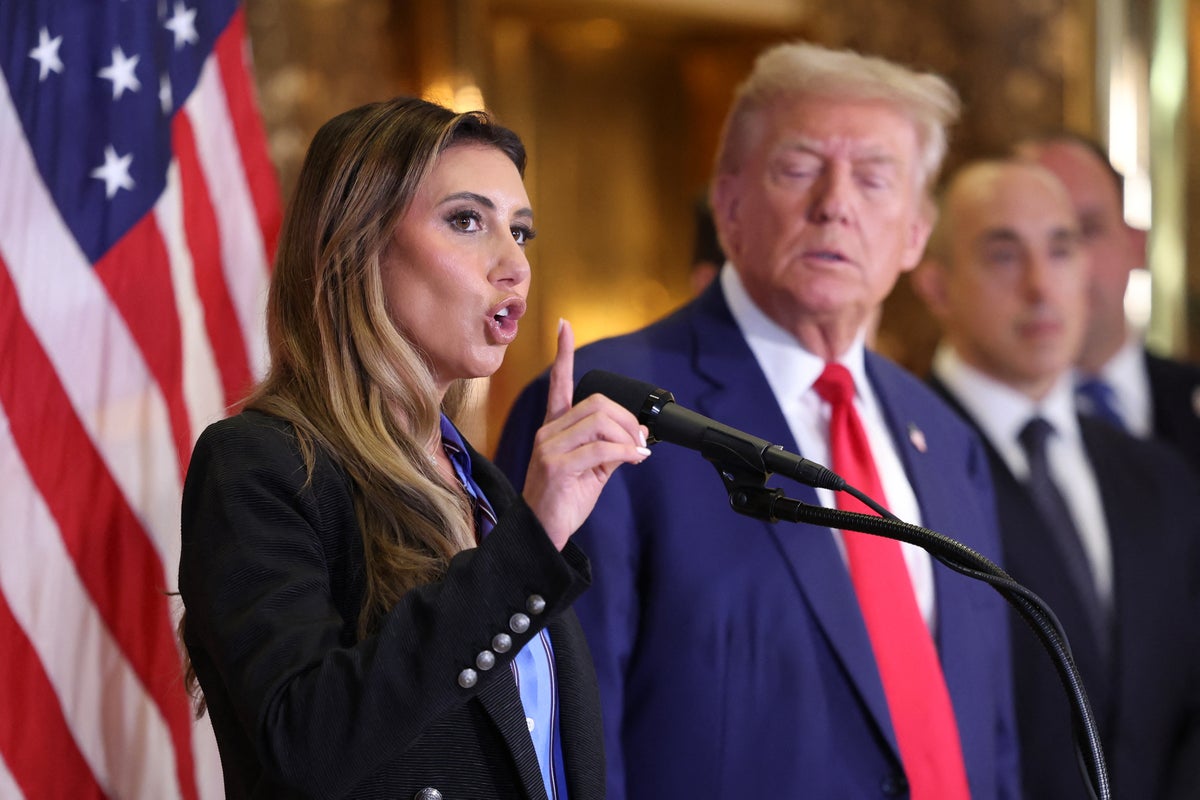
A Deepening Conflict Between the Trump Administration and the Judiciary
President Donald Trump’s efforts to retain his personal attorney, Alina Habba, as New Jersey’s top federal prosecutor have led to a new confrontation between his administration and the judiciary. This conflict highlights a growing tension between the president and the courts, which he has long criticized.
The latest dispute emerged when New Jersey’s federal trial judges appointed Desiree Leigh Grace as their nominee to replace Habba at the end of her 120-day term as acting U.S. Attorney. However, hours later, Attorney General Pam Bondi blocked the judges’ choice and removed Grace from her position. Despite this, Grace remains committed to taking on the role, stating she will report for work in accordance with the law. The Justice Department confirmed that Grace is no longer an employee of the department.
On Thursday, Trump withdrew his nomination of Habba, but she announced she would continue serving as acting U.S. Attorney. Bondi is expected to appoint her First Assistant U.S. Attorney to keep her in office temporarily. Habba has expressed her determination, stating she does not cower to pressure or answer to politics, emphasizing her commitment to justice.
Her continued appointment means she will remain in office for approximately 210 more days, resolving the uncertainty surrounding the leadership of the U.S. Attorney’s office in New Jersey. This situation had raised concerns about the impact on the office’s caseload, especially after Habba launched several investigations and indictments against Trump’s political opponents.
It remains unclear what will happen next. For Habba to stay permanently, she needs Senate confirmation, but it is unlikely her name will be considered soon. New Jersey’s Democratic senators have effectively blocked any chance of a confirmation vote.
Bondi accused the New Jersey judges of “going rogue,” but legal experts argue that it is the attorney general who has acted improperly. Virginia Canter, chief counsel for ethics and anti-corruption at Democracy Defenders Fund, stated that Bondi and her deputy attorney general are using social media to undermine the judiciary’s legitimacy.
Habba’s appointment by Trump was controversial from the start. She initially served as “counselor to the president” before becoming acting U.S. Attorney in New Jersey. Over time, she has faced criticism for her performance, including losing several high-profile cases defending Trump, which cost him significant financial losses.
Legal experts suggest that her 120-day term should have ended recently, while Todd Blanche argues it ends on Friday. If Trump continues to support Habba, the administration may face unprecedented legal challenges.
Stanford Law School professor Anne Joseph O’Connell noted that reappointing Habba could lead to further legal battles. Anyone facing prosecution by her office might challenge her appointment in court, potentially leading to dismissed charges.
Federal judges have previously tried to stop similar situations, such as with John Sarcone in New York. Trump then appointed him as a “special attorney to the attorney general” to keep him in place.
Despite the New Jersey judges’ lawful appointment of Grace, Justice Department officials accused them of politically motivated actions. The order was signed by George W. Bush-appointed chief judge Renee Marie Bumb.
New Jersey’s Democratic Senators Cory Booker and Andy Kim criticized the Justice Department for undermining judicial independence. They argued that firing a career public servant, lawfully appointed by the court, is an attempt to intimidate those who disagree with the administration.
Under federal law, the U.S. attorney general can appoint an interim U.S. attorney for 120 days when the position is vacant. After that period, the district court can decide whether to keep the person or appoint someone else. However, the law does not require the interim attorney to leave.
Grace expressed her readiness to serve, stating that being selected by the district judges was the greatest honor. Her post received support from law enforcement and other prosecutors.
Other Democrats have accused the Trump administration of misusing the interim appointment process to install loyalists like Habba. Trump appointed far-right legal activist Ed Martin as interim U.S. Attorney in Washington, D.C., and later replaced him with former Fox News commentator Jeanine Pirro.
Senator Dick Durbin criticized the administration for attempting to bypass constitutional processes. He emphasized the need to respect the courts.
The Justice Department's claims of political maneuvering follow allegations that Habba engaged in politically motivated actions. Shortly after her appointment, she expressed plans to “turn New Jersey red.” She also launched investigations into Democratic officials and brought charges against Newark Mayor Ras Baraka, which were later dropped.
Habba has faced an ethics investigation over a settlement with a former employee at Trump’s Bedminster golf club. She has also been reprimanded for her conduct in court and mistakes during trials.
Her back-to-back losses in defending Trump led to significant financial judgments against him, including $83 million to E Jean Carroll and over $500 million in a fraud case. Habba was sanctioned for her behavior and the court filings in these cases.
Habba has represented Trump in various legal matters, including defamation cases. She joined Trump at a rally in Madison Square Garden, where she danced to DJ Khaled’s “All I Do Is Win.”
This ongoing conflict underscores the deepening divide between the Trump administration and the judiciary, raising questions about the integrity of the legal process and the role of political influence in public office.

Post a Comment for "Trump battles to protect Alina Habba in court clash"
Post a Comment