Top 10 Westerns That Defined the Genre
The Evolution of the Western Genre
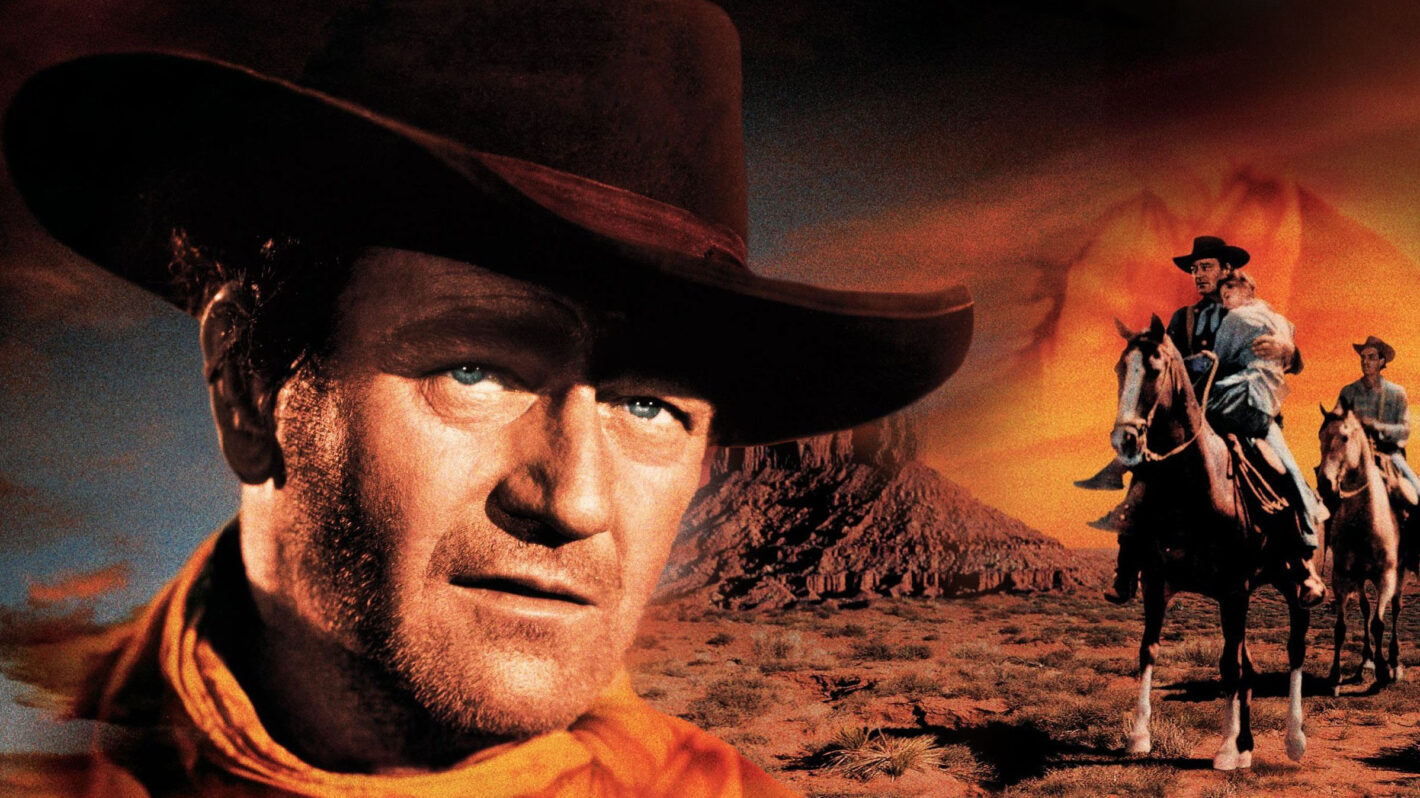
The Western genre has long been a staple of American cinema, capturing the spirit of the frontier and the rugged individualism of its characters. One of the most iconic figures in this genre is John Wayne, whose presence on screen became synonymous with the cowboy archetype. From his first cowboy picture in 1926 to his final film half a century later, Wayne’s career spanned an era that defined the Western.
When considering the greatest Westerns, it's impossible to overlook Stagecoach, a 1939 film directed by John Ford. This movie not only launched Wayne into stardom but also set the standard for the genre. It introduced audiences to the rugged beauty of the West and the moral complexities of its characters.
Another landmark film in Wayne’s career is The Searchers (1956), where he plays a man driven by rage and a quest for revenge. This film showcases Wayne at his darkest, embodying the loner who is both a hero and a tragic figure.
While Wayne was the embodiment of the Western hero, Henry Fonda brought a different kind of charm to the genre. Though not as tall in the saddle, Fonda was just as comfortable playing villains as heroes. His performance as Wyatt Earp in My Darling Clementine (1946) is a standout, with Victor Mature delivering a memorable portrayal of Doc Holliday.
Fonda’s career continued to evolve, and his role in Once Upon a Time in the West (1968) directed by Sergio Leone, marked a shift towards more complex characters. He played one of the West’s coldest killers, a role that showcased his versatility as an actor.
Changing Tides in the Western Genre
The 1960s saw a transformation in the Western genre, influenced by films like The Magnificent Seven (1960). This film, with its iconic Elmer Bernstein score and a storyline inspired by Akira Kurosawa’s Seven Samurai, brought a new level of humor and antiheroic complexity to the genre. It featured a stellar cast including Charles Bronson, Steve McQueen, Robert Vaughn, James Coburn, and Yul Brynner, each bringing their own unique flair to the story.
In contrast, The Wild Bunch (1969) offered a grittier, more violent take on the Western. Directed by Sam Peckinpah, this film portrayed outlaws with a hardened edge, featuring William Holden, Ernest Borgnine, and Warren Oates. The film’s intense depiction of violence made it a cultural touchstone, though it also sparked debates about the genre’s direction.
Despite the growing perception that the Western was dying, artists continued to innovate. Butch Cassidy and the Sundance Kid (1969) took a different approach by portraying its characters as comedic figures rather than traditional heroes. This film, which included a modern twist on the outlaw duo, surprised audiences and proved that the Western could still be fresh and relevant.
Modern Interpretations and Legacy
Clint Eastwood’s High Plains Drifter (1973) marked a significant departure from traditional Westerns. In this film, Eastwood plays a nameless stranger who seems to embody Death itself. While it resonated with audiences, it also drew criticism from John Wayne, who wrote to Eastwood expressing his disapproval. Wayne had previously criticized High Noon as well, highlighting the generational differences in how the genre was perceived.
John Wayne’s final film, The Shootist (1976), served as a fitting end to his legendary career. This film tells the story of a man at the end of his trail, reflecting on the legacy of the Western and the changing times.
Unique and Unconventional Westerns
Beyond the classic Westerns, there are several unusual entries that offer a different perspective on the genre. For example, some films blend Western elements with other genres, creating unexpected narratives. One such example is a film that features a gunslinger, a bad guy, and even a T-Rex, showcasing the genre’s ability to surprise and entertain.
These unconventional Westerns highlight the genre’s adaptability and enduring appeal, proving that the Western is far from being a relic of the past. As long as there are stories to tell about the frontier, the Western will continue to evolve and captivate audiences.

Post a Comment for "Top 10 Westerns That Defined the Genre"
Post a Comment