Tongue Swallowing Maneuvers Delay CPR, Risk Brain Injury or Death in Collapsed Athletes
The Persistent Myth of "Tongue-Swallowing" in CPR
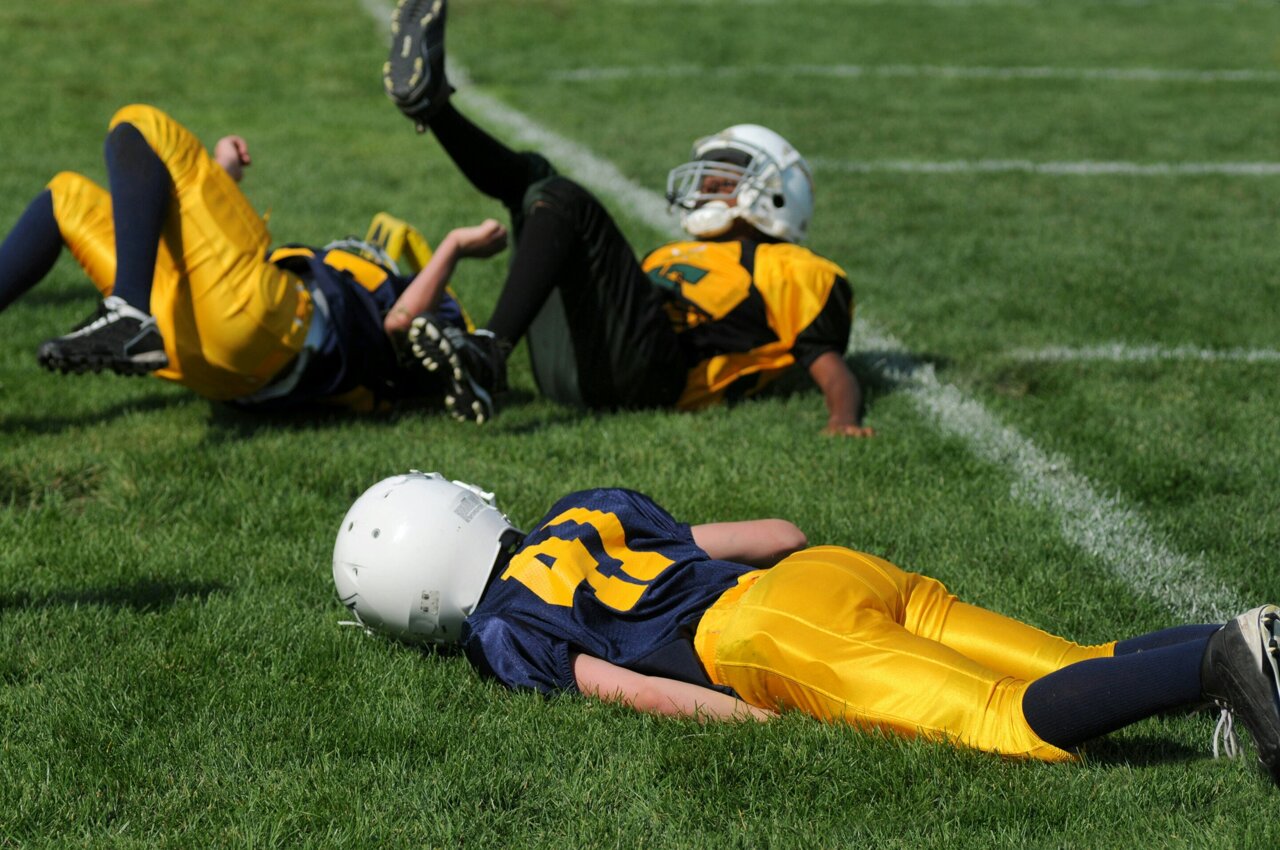
Despite ongoing public health efforts, a dangerous misconception continues to affect the effectiveness of cardiopulmonary resuscitation (CPR), particularly in cases involving athletes. This myth, known as "tongue-swallowing," suggests that the tongue can be swallowed during cardiac arrest, leading some individuals to attempt to prevent this by manipulating the airway. However, new research published in the Canadian Journal of Cardiology highlights how this myth persists and negatively impacts emergency response.
The study reveals that media coverage and social platforms play a significant role in spreading this incorrect belief. As a result, critical time is lost when responders focus on unnecessary actions rather than initiating proper CPR. According to the findings, in 84% of observed cases, inappropriate maneuvers were performed before CPR was started. These actions were linked to poor outcomes, with 67% of those affected suffering severe brain injury or death compared to zero in cases where CPR was the first action taken.
Understanding the Impact of Misinformation
The research analyzed 45 documented cases of athletes collapsing during sports events between 1990 and 2024. Each case was reviewed for initial resuscitation actions and related media coverage. Dr. Dana Viskin, lead investigator of the study, emphasized the urgency of addressing these misconceptions. She pointed out that even though clinical guidelines do not support the idea of preventing tongue-swallowing, it remains a common practice among lay responders.
Media analysis found that nearly half of high-exposure news articles used the term "tongue-swallowing." In many of these cases, the actions of bystanders were praised, despite the lack of evidence supporting such interventions. Only a small percentage of articles criticized these practices, highlighting a need for better education and awareness.
The Role of Public Perception and Education
Nicholas Grubic, author of an accompanying editorial, explained that certain signs associated with sudden cardiac arrest (SCA) can be misinterpreted. For example, cyanosis and agonal respirations may be mistaken for choking, prompting bystanders to prioritize airway inspection over starting CPR. This misunderstanding can delay or interrupt life-saving measures.
Grubic also noted that young males experiencing shockable rhythms might display seizure-like activity, which could contribute to the spread of the "tongue-swallowing" myth. While promoting CPR and automated external defibrillator (AED) knowledge remains essential, educating the public on recognizing early signs of SCA is equally important. Every second without action significantly reduces the chances of survival.
The Need for Global Awareness and Action
As public CPR education becomes increasingly vital, the role of media in shaping public perception cannot be overlooked. The study underscores the importance of re-educating both the public and media about accurate CPR procedures. Dr. Viskin stressed that delaying chest compressions due to misguided actions can cost lives, yet the media often praises these efforts as heroic.
Grubic concluded that coordinated, evidence-based communication strategies are crucial for countering misinformation. He called for collaboration between academic, healthcare, and media sectors to create a healthier information environment. Responding to SCA requires a team effort, starting with proper education to ensure everyone is prepared to act.
Moving Forward: A Call for Change
The research highlights the urgent need for global public health campaigns to correct CPR myths and emphasize the importance of immediate chest compressions. By addressing the persistent misconception of "tongue-swallowing," the medical community can help save more lives. It is time for all stakeholders to work together to ensure that accurate information is disseminated and that public understanding of CPR is improved.
Ultimately, the goal is to build a society where every individual is equipped with the knowledge and confidence to respond effectively during a cardiac emergency. This collective effort can make a significant difference in saving lives, especially in high-stakes situations like those involving athletes.

Post a Comment for "Tongue Swallowing Maneuvers Delay CPR, Risk Brain Injury or Death in Collapsed Athletes"
Post a Comment