"They're Gross": Invasive Spotted Lanternflies Overrun DMV
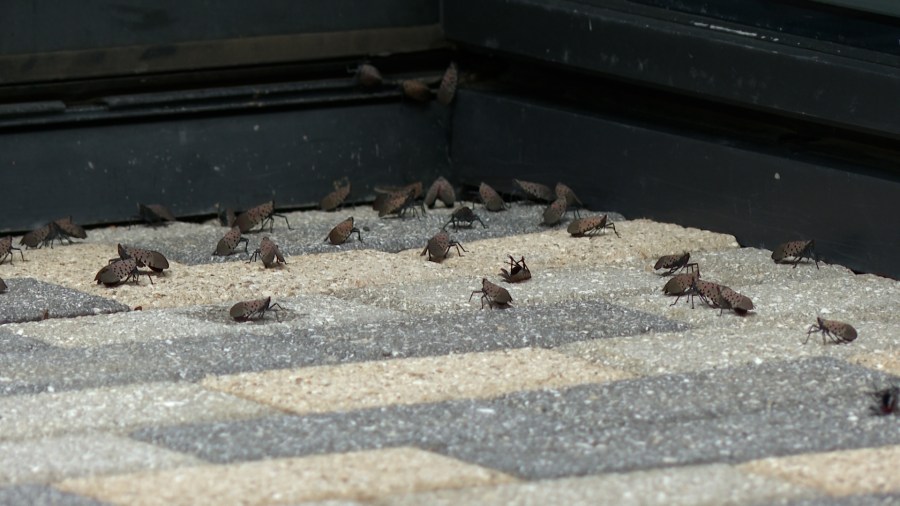
The Growing Threat of Spotted Lanternflies in the DMV
Spotted lanternflies have become a major concern across the Washington, D.C., Maryland, and Virginia (DMV) region. These invasive insects are now found on trees, buildings, and even on people. Their presence is so widespread that it's hard to avoid them these days.
Taylor Michaelides shared her frustration with their behavior: “They’re everywhere. And they have no fear, and they don’t get out of your way, and they land on you, and they don’t fly away, and they’re gross.” This sentiment is echoed by many who have encountered these pests.
The spotted lanternfly was first discovered in Pennsylvania in 2014 and has since spread to 17 states. Nayef Bataineh, a local resident, noted that he has seen them in various locations, including D.C. and New York. Recent weeks have seen a noticeable increase in their numbers, but according to Michael Raupp, known as “The Bug Guy” and professor emeritus at the University of Maryland, College Park, this surge is not entirely new.
Raupp explained that when the insects first hatch, they are only about a millimeter in size. However, after completing their development, they become more visible, which is why more people are noticing them now.
Emma Rowles, who dislikes bugs, tries to keep her distance and kills every spotted lanternfly she sees. However, Raupp pointed out that killing individual insects may not significantly impact the overall population. He compared it to trying to stop the tide by spitting into the ocean.
Despite this, there are steps people can take to manage the problem. Insecticides available at garden centers can be used, provided they are labeled as OMRI-approved, meaning they are safe for use in organic food production. These products are specifically designed for spotted lanternflies.
Experts caution against using sticky substances around trees, as this could harm wildlife. If an infestation is severe, it's recommended to consult an arborist for professional assistance.
Impact on Agriculture and Residential Areas
The primary threat from spotted lanternflies lies in their impact on agriculture, particularly vineyards. Raupp highlighted that grapevines are low enough to allow for the removal of egg masses. There are also effective insecticidal controls available for managing these pests.
Residential areas are also affected, as the insects excrete a sweet, sticky substance called honeydew. This can rain down on plants and attract stinging insects such as bees, wasps, yellow jackets, and hornets, posing a health risk to people and pets.
While the current situation in the DMV is challenging, there is some hope for the future. In Berks County, where the spotted lanternfly was first identified, populations have declined significantly due to a fungus disease that targets and kills the insects. However, Raupp emphasized that the region is currently in an outbreak phase.
Efforts to control the spread of spotted lanternflies continue, with local authorities encouraging residents to take action. Simple measures like reporting sightings and following guidelines for safe removal can help mitigate the problem.
As the battle against these invasive pests continues, staying informed and proactive is essential for protecting both agricultural and residential areas. With ongoing research and community involvement, there is potential for long-term solutions to manage the spotted lanternfly population effectively.

Post a Comment for ""They're Gross": Invasive Spotted Lanternflies Overrun DMV"
Post a Comment