The Hidden Link Between Ryobi and Milwaukee Tools Revealed
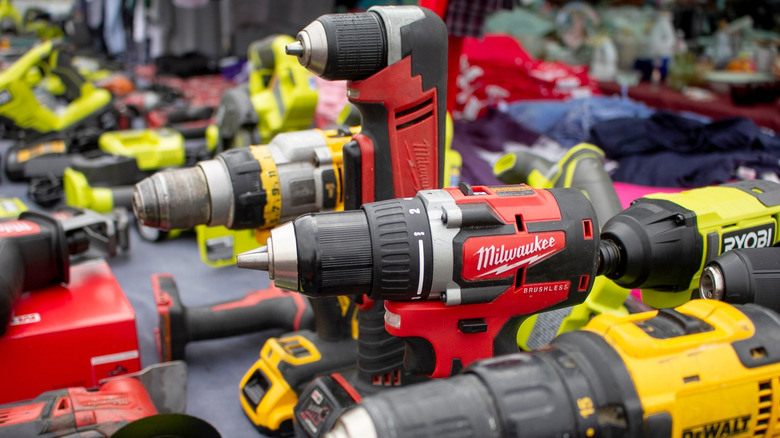
Understanding the Differences Between Ryobi and Milwaukee Power Tools
When comparing Ryobi and Milwaukee power tools, one of the most noticeable differences is their price points. At major retailers like Home Depot, a Milwaukee M18 FUEL Lithium-Ion Cordless Drill typically costs around $229, while a comparable Ryobi ONE+ 18V Cordless Drill is available for about $79. This price gap often leads to questions about the quality and reliability of each brand.
Milwaukee has built a strong reputation over nearly a century as a trusted name in the power tool industry. Known for its durability and performance, it's often the go-to choice for professionals who need reliable tools that can handle demanding tasks. On the other hand, Ryobi is a more recent player in the market but has gained popularity for its affordability. It’s a popular option for homeowners and DIY enthusiasts looking for budget-friendly solutions without compromising on basic functionality.
Despite these differences, both brands are under the umbrella of Techtronic Industries (TTi), a global company that designs and manufactures cordless tools for various industries. This shared ownership has led many consumers to wonder if the tools are made in the same factories or how different they truly are.
Are Ryobi and Milwaukee Tools Made in the Same Factories?
While Ryobi and Milwaukee are owned by the same parent company, this doesn’t mean they are produced in the exact same way. TTi operates manufacturing facilities in multiple countries, including China, the U.S., and Vietnam. These facilities produce a wide range of products for different brands, so there may be some overlap in the production process. However, even if certain components are made in the same factory, the final assembly and design of the tools can vary significantly.
The complexity of tool manufacturing means that parts for a single tool might come from different locations around the world. Therefore, the fact that some parts could share a factory doesn’t necessarily indicate that the finished products are identical. The overall performance and features of the tools depend on their design, materials, and engineering rather than just where they were assembled.
Price Differences and Market Positioning
The significant price difference between Ryobi and Milwaukee tools can raise concerns among consumers. Some may assume that Ryobi is less reliable or that Milwaukee is overpriced. However, this isn’t an accurate reflection of the brands’ value propositions.
Ryobi targets homeowners and casual users who prioritize affordability and ease of use. Its tools are designed for occasional use, with features that cater to everyday tasks like home maintenance or light projects. In contrast, Milwaukee focuses on professionals who require high-performance tools capable of handling heavy-duty work. These tools often feature more advanced technology, longer battery life, and greater durability.
For those shopping for essential tools, it’s important to consider what you’ll be using them for rather than focusing solely on the brand name. A powerful drill may not be necessary for simple household repairs, and paying a premium for extra features might not be justified if you don’t need them.
Choosing the Right Brand for Your Needs
Ryobi and Milwaukee tools may share a common origin, but they serve very different purposes. Milwaukee tools are designed for professionals who need consistent power, long-lasting batteries, and tools that can withstand tough conditions. Ryobi, on the other hand, is ideal for occasional users who want reliable, affordable options for their home projects.
Ryobi also offers tools tailored to specific tasks, such as crafting or yard work, and its batteries are compatible with other brands, adding to its versatility. Meanwhile, Milwaukee emphasizes performance and longevity, making it a better fit for serious DIYers or tradespeople who rely on their tools daily.
Ultimately, the choice between Ryobi and Milwaukee depends on your needs, budget, and how frequently you plan to use the tools. Both brands have their strengths, and understanding these differences can help you make an informed decision.

Post a Comment for "The Hidden Link Between Ryobi and Milwaukee Tools Revealed"
Post a Comment