The Dark Secret of Netanyahu's Gaza Strike – His Riskiest Move Since October 7
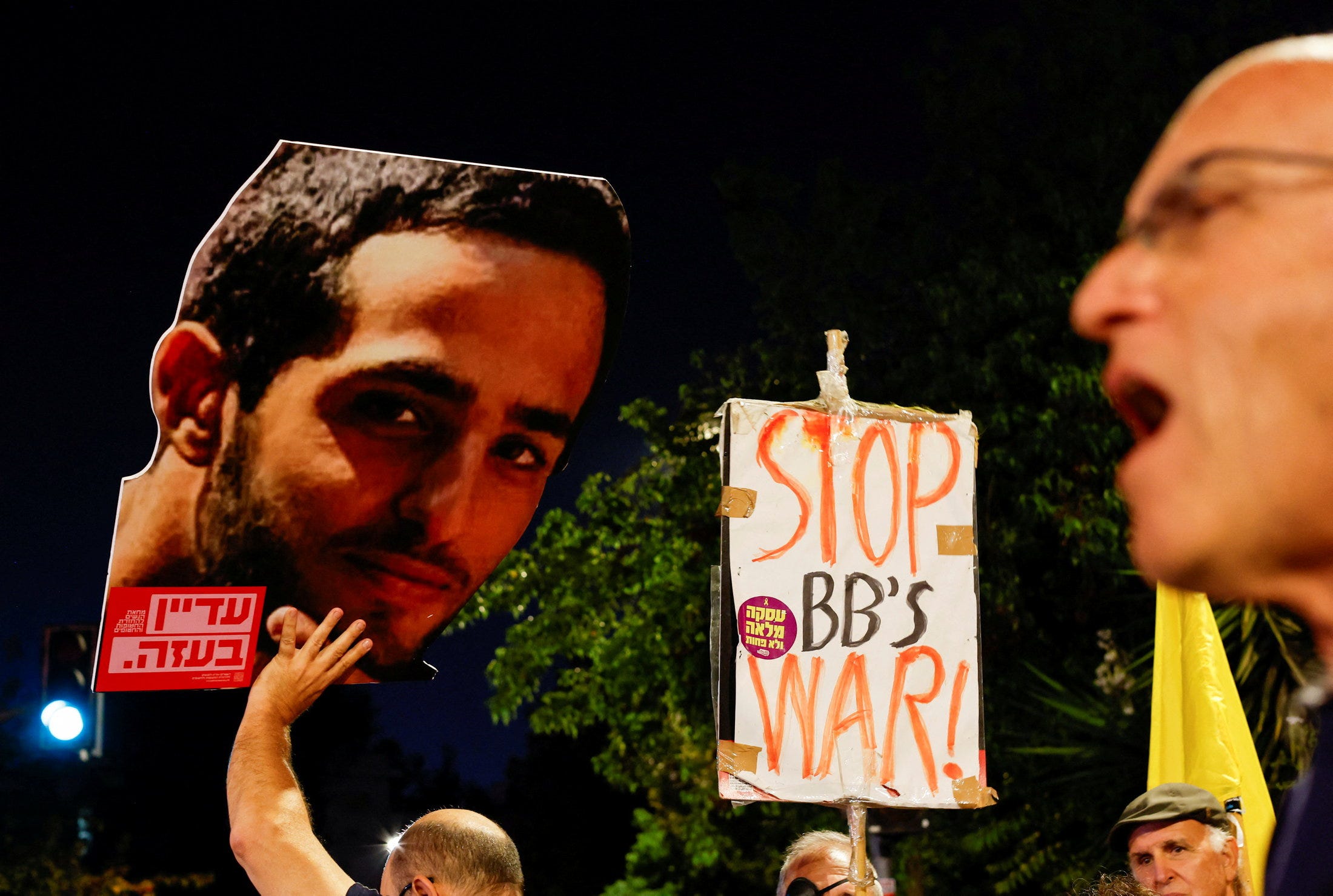
The Complex Dynamics of Israel’s Gaza City Invasion
The recent ground invasion into Gaza City by the Israel Defense Forces (IDF) marks a significant escalation in the ongoing conflict. Despite internal resistance from key figures within the defense establishment and public skepticism, the operation has proceeded without substantial opposition. Prime Minister Benjamin Netanyahu’s decision to launch this offensive reflects a high-stakes gamble that could reshape the political and military landscape in the region.
Operation Details and Military Strategy
The current phase of the operation involves two regular army divisions advancing into the heart of Gaza City, with plans to deploy a third division later. This strategic move follows months of deliberation and delays, highlighting the complexity of the mission. Unlike the rapid initial entry into the Gaza Strip in October 2023, the current advance is being conducted cautiously and deliberately. IDF Chief of Staff Eyal Zamir has played a critical role in shaping the pace and methodology of the operation, emphasizing a restrained approach aimed at minimizing civilian casualties.
Zamir’s leadership contrasts sharply with Netanyahu’s more aggressive rhetoric about eradicating Hamas entirely. While the chief of staff has emphasized the importance of securing the release of hostages and ensuring their safety, Netanyahu has shown little interest in the well-being of the captives. His focus appears to be on maintaining political power and advancing a broader military agenda, regardless of the human cost.
Hostage Situation and Political Implications
The hostage situation remains a central concern for both Israeli families and international observers. Netanyahu’s rejection of American proposals for a new hostage deal has further complicated matters. The recent bombardment in Qatar, which involved regional powers like Iran and its Sunni neighbors, has only added to the tension. Despite these developments, there has been no clear response from Netanyahu regarding potential negotiations.
Netanyahu’s stance on the hostage issue has raised concerns among his allies and critics alike. His lack of visible empathy for the captives and their families suggests a prioritization of political survival over humanitarian considerations. This attitude has led to growing frustration among those who believe that the lives of the hostages are being sacrificed for political gain.
International Reactions and Domestic Challenges
The international community has expressed alarm over the potential consequences of the invasion, particularly the risk of increased civilian casualties. Senior members of the defense establishment have voiced concerns about the operational challenges and the possible loss of life. These worries are compounded by the fact that the issue of civilian casualties is not being adequately addressed in public discourse.
Domestically, Netanyahu faces pressure from various quarters. The stock market has experienced volatility, prompting the prime minister to make statements aimed at reassuring the public. However, many question whether these efforts are genuine or merely attempts to manage public perception. The leader’s apocalyptic vision for Israel’s future has raised doubts about his ability to navigate the country through this crisis.
Long-Term Consequences and Concerns
As the operation unfolds, the long-term implications for both Israel and the region remain uncertain. The potential for further conflict and instability is a major concern. The actions of Netanyahu and his government may lead to a deepening of the war in Gaza, with far-reaching consequences for all parties involved.
In conclusion, the invasion of Gaza City represents a complex interplay of military strategy, political ambition, and humanitarian concerns. As the situation continues to evolve, the world watches closely, hoping for a resolution that brings peace and stability to the region.

Post a Comment for "The Dark Secret of Netanyahu's Gaza Strike – His Riskiest Move Since October 7"
Post a Comment