Suspect in NYC Shooting Cites CTE, Exposing Brain Injury Diagnosis Struggles
Understanding the Link Between Brain Injuries and Behavioral Changes
Shane Devon Tamura, a suspect in a tragic shooting in New York City that resulted in four fatalities, claimed to suffer from Chronic Traumatic Encephalopathy (CTE), a degenerative brain disease linked to repeated head trauma. This condition is often associated with athletes, particularly those involved in contact sports like football, but its implications extend far beyond the playing field.
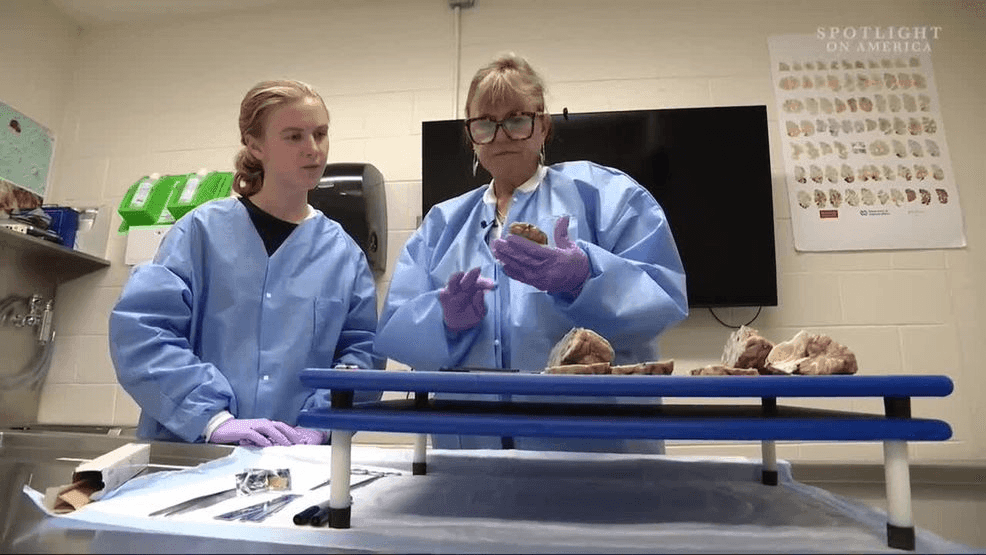
Dr. Michelle Lin, an osteopathic physician at My Family Doc in the Southeast Valley, specializes in understanding how brain injuries affect mood and behavior. She explains that CTE can develop from a single traumatic brain injury or from multiple incidents over time. “A long-lasting traumatic brain injury can occur once, or it can be the result of repeated blows to the head,” she notes. However, diagnosing CTE remains challenging because the only definitive way to confirm the condition is through post-mortem examination of the brain.
The discovery of CTE dates back to the early 2000s when pathologist Dr. Bennet Omalu identified the condition in the brain of former NFL player Mike Webster. Since then, the focus on CTE has grown, especially in the context of sports-related concussions. But Dr. Lin emphasizes that brain damage can occur in various ways, not just through athletic activities.
“Brain injuries can also come from explosions or other traumatic events, such as those experienced by military personnel,” she says. “The effects of these incidents on the brain were not fully understood until recently.”
She points out that brain injuries can begin at a very young age and have lasting consequences. For instance, a child falling from a shopping cart onto a hard surface could experience long-term changes in personality and cognitive abilities. These changes might impact learning, decision-making, and even job performance later in life.
Dr. Lin highlights several behaviors that may indicate underlying brain damage. “People who are consistently disagreeable, aggressive, or combative may be showing signs of brain injury. Others may become withdrawn, depressed, or anxious,” she explains. Recognizing these symptoms early can be crucial for intervention and support.
In Southern Nevada, the Cleveland Clinic Lou Ruvo Center for Brain Health is at the forefront of CTE research. The center’s Professional Athletes’ Brain Health Study is tracking the long-term effects of repeated head impacts among more than 900 athletes across various sports. Participants undergo a comprehensive half-day evaluation to monitor changes in brain function over time.
Dr. Charles Bernick, Senior Director of Cognitive Disorders at the Lou Ruvo Center, explains that the study aims to provide insights into how repeated head trauma affects the brain. “Participants take the time to come here for the evaluation, which helps us understand the changes that occur in the brain over time,” he says.
While research continues, Dr. Lin stresses the importance of addressing brain injuries promptly. Early intervention can make a significant difference in outcomes. She recommends lifestyle adjustments, such as maintaining a neuroconscious approach, following low-inflammatory diets, and engaging in activities that support brain health.
As awareness of CTE grows, so does the need for ongoing research and education. Understanding the potential long-term effects of brain injuries is essential for developing effective prevention strategies and treatment options. By staying informed and proactive, individuals and communities can work together to support brain health and reduce the risks associated with traumatic brain injuries.

Post a Comment for "Suspect in NYC Shooting Cites CTE, Exposing Brain Injury Diagnosis Struggles"
Post a Comment