Stale Chips? How Walmart, Kroger, and Food Giants Are Revamping Snacks
The Changing Landscape of Snacking in the U.S.
The American snacking culture, once characterized by an insatiable appetite for treats, is now facing a significant shift. Sales are declining as prices rise and new dietary trends reshape consumer preferences. Established brands are finding it increasingly difficult to maintain their market presence, with some struggling to keep up with changing demands.
This transformation is not just about price sensitivity but also about evolving health consciousness. While snack sales were booming during the pandemic, the trend has shifted in recent years. Many companies have seen their growth stall, even as they continue to increase prices. This has led to a situation where sales volume is slipping despite continued revenue growth, masking underlying challenges in the market.
According to data from NielsenIQ, the average price of salty snacks has risen by 31% over the past five years, while sweet snacks have become 40% more expensive. These increases far outpace overall inflation, which stood at 25% during the same period. As a result, many consumers are opting to skip the snack aisle altogether, choosing to spend their money elsewhere.
Another factor contributing to this shift is the growing popularity of GLP-1 weight-loss drugs like Wegovy. These medications have helped heavy snackers curb their cravings, leading to a noticeable decline in the consumption of sweet snacks. Doughnuts, cakes, and cookies have all seen significant drops in unit sales, with some categories experiencing declines of over 10%.
Even the popular category of potato chips has not been immune to these changes. In February, sales volume dipped by 7% compared to three years ago. However, the decline has slowed in recent months, with summer events helping to sustain demand.
Despite these challenges, snacking is not dead. A 2024 survey by Mondelez International found that 91% of global consumers still snack daily. However, the frequency of snacking has decreased, and the types of snacks people prefer are changing. Wellness is now a key consideration, with consumers seeking products that are low in sugar, sodium, and saturated fat. Functional ingredients like protein, collagen, and fiber are becoming more important, as are "clean label" products with fewer additives.
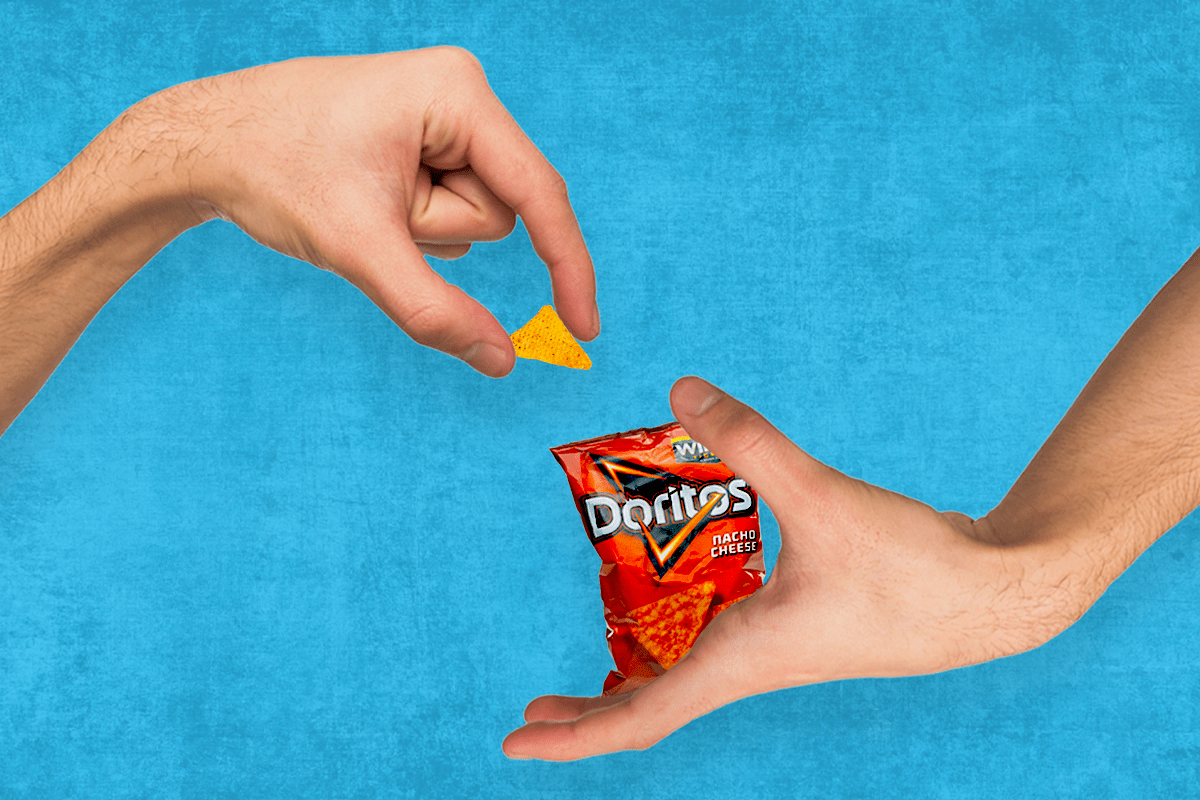
Food companies are responding to these shifts by launching new products and enhancing existing ones. Smaller pack sizes at lower prices are being introduced to meet the demand for portion control. Protein-rich snacks, such as nuts, cheese sticks, and protein bars, are gaining traction, with sales and unit volume increasing by 8% and 4%, respectively, over the past year.
Premium snacks are also seeing growth, driven in part by higher-income consumers who are willing to pay more for healthier options. According to analyst David Palmer, protein snacks make up 40% of all snack sales, even though they are consumed only 15% of the time.
Private labels are also making a strong showing, offering affordable alternatives that match the quality of national brands. Store brands are improving their offerings by incorporating premium flavors, clean labels, and functional claims. From 2021 to 2024, annual unit sales for store-branded products increased by 2.1%, while national brands saw a decline of 6.8%.
Walmart's Bettergoods brand, launched in April 2024, is a prime example of this trend. With a range of affordable nutritional snacks, the brand has already reached nearly $500 million in sales. Kroger, another major grocery chain, reported that its private-label products have grown faster than national brands for seven consecutive quarters, as customers seek premium products at lower prices.
While some companies are navigating these challenges well, others are struggling. Mondelez, the maker of Oreo cookies, is leveraging overseas growth to offset softness in North America. Its stock has performed well, trading at a rich valuation. In contrast, Campbell’s shares have declined significantly, although its meal and beverage segment has shown resilience due to strong demand for canned soups and sauces.
The chocolate industry is also facing headwinds, with rising cocoa bean prices and tariffs on imports driving up costs. Hershey, which relies heavily on North American chocolate sales, has seen its net sales grow slightly, but its income has dropped due to higher costs. Despite this, investors remain optimistic about its sales potential.
In the broader snacking landscape, companies that can adapt to changing consumer preferences and balance indulgence with wellness are better positioned to succeed. As the market continues to evolve, those that embrace innovation and respond to shifting trends will likely thrive in the long term.

Post a Comment for "Stale Chips? How Walmart, Kroger, and Food Giants Are Revamping Snacks"
Post a Comment