Solar surge tech boosts US data centers' power by 80%
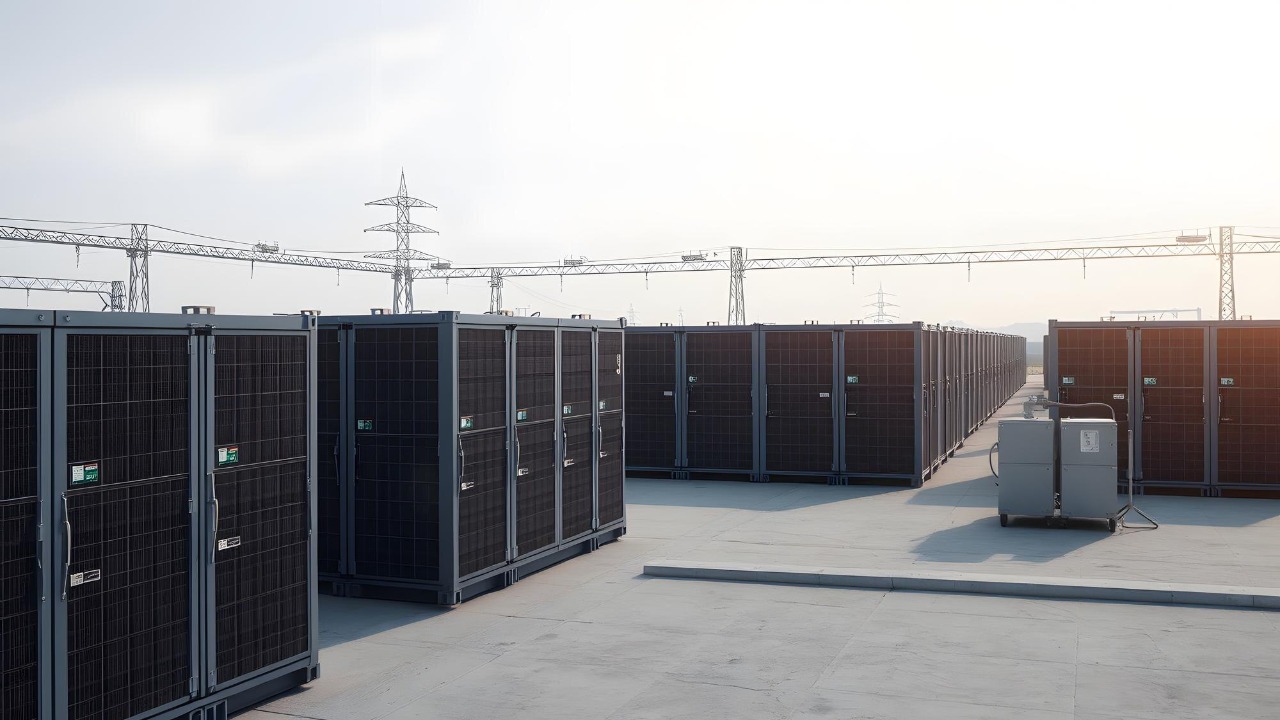
Understanding the ‘Solar Bump’ Technology
The ‘solar bump’ technology is an innovative approach that aims to significantly enhance the electricity output of data centers. This breakthrough leverages photovoltaic cells, which are designed to absorb sunlight and convert it into usable electricity through the photovoltaic effect. The ‘solar bump’ improves upon this process by introducing advanced modifications in the design and layout of these cells, leading to a more efficient conversion of solar energy into power.
Engineers who developed this technology recognized the need for more efficient energy solutions, especially in industries that consume large amounts of electricity. Their work has resulted in a system that not only increases the power output of photovoltaic cells but also makes them more viable for real-world applications.
The Impact on U.S. Data Centers
U.S. data centers are known for their high energy consumption, often relying heavily on traditional power sources. The introduction of ‘solar bump’ technology offers a promising solution by boosting the electricity output of these facilities. This increase can lead to a substantial reduction in overall energy usage, making data centers more sustainable and cost-effective.
Several data centers have already begun integrating this technology into their operations, with early results showing significant improvements in efficiency. For example, one case study highlighted a notable rise in electricity generation from centers that adopted the ‘solar bump’ system. These findings suggest that the technology could be a game-changer for the industry.
Benefits of Increased Electricity Output
One of the primary advantages of the ‘solar bump’ technology is its ability to reduce energy costs for data centers. By generating more power internally, these facilities can lower their dependence on external energy providers, resulting in financial savings. This increased profitability can also encourage further investment in renewable energy initiatives.
In addition to economic benefits, the technology has the potential to make a meaningful impact on the environment. By decreasing reliance on fossil fuels, it can help reduce carbon emissions, contributing to global efforts to combat climate change. This shift toward cleaner energy sources aligns with broader goals of sustainability and environmental responsibility.
Potential Challenges and Solutions
Despite its promise, the widespread adoption of ‘solar bump’ technology faces several challenges. One of the main obstacles is the initial cost of implementation, which can be a barrier for some organizations. Additionally, the technology requires suitable infrastructure to function effectively, and there may be a need for policy changes to support the integration of renewable energy sources.
To overcome these hurdles, strategic planning and investment are essential. Continued research and development can help lower the costs associated with implementing the technology. At the same time, supportive policies can encourage the adoption of renewable energy solutions, making it easier for businesses to transition away from traditional power sources.
Future Predictions for Solar Bump Technology
Looking ahead, the potential for further advancements in ‘solar bump’ technology is considerable. Ongoing research and development could lead to even greater increases in electricity output, making the technology more efficient and accessible. As this innovation continues to evolve, it could have a transformative effect on data centers and potentially other industries that rely heavily on energy.
The broader implications for the renewable energy sector are also significant. As the technology becomes more widely adopted, it could drive growth within the sector and accelerate the transition toward a more sustainable energy future. This shift could create new opportunities for innovation and investment in clean energy solutions.
Conclusion
The ‘solar bump’ technology represents a major advancement in renewable energy, offering a promising solution for reducing energy consumption in data centers. Its potential to cut costs, lower carbon emissions, and support the transition to sustainable energy makes it a valuable tool in the fight against climate change. However, to fully realize its benefits, stakeholders must address the challenges related to cost, infrastructure, and policy. With continued innovation and support, this technology could play a key role in shaping a more sustainable energy landscape.

Post a Comment for "Solar surge tech boosts US data centers' power by 80%"
Post a Comment