Sen. Roger Marshall on "Face the Nation" – Sept. 7, 2025
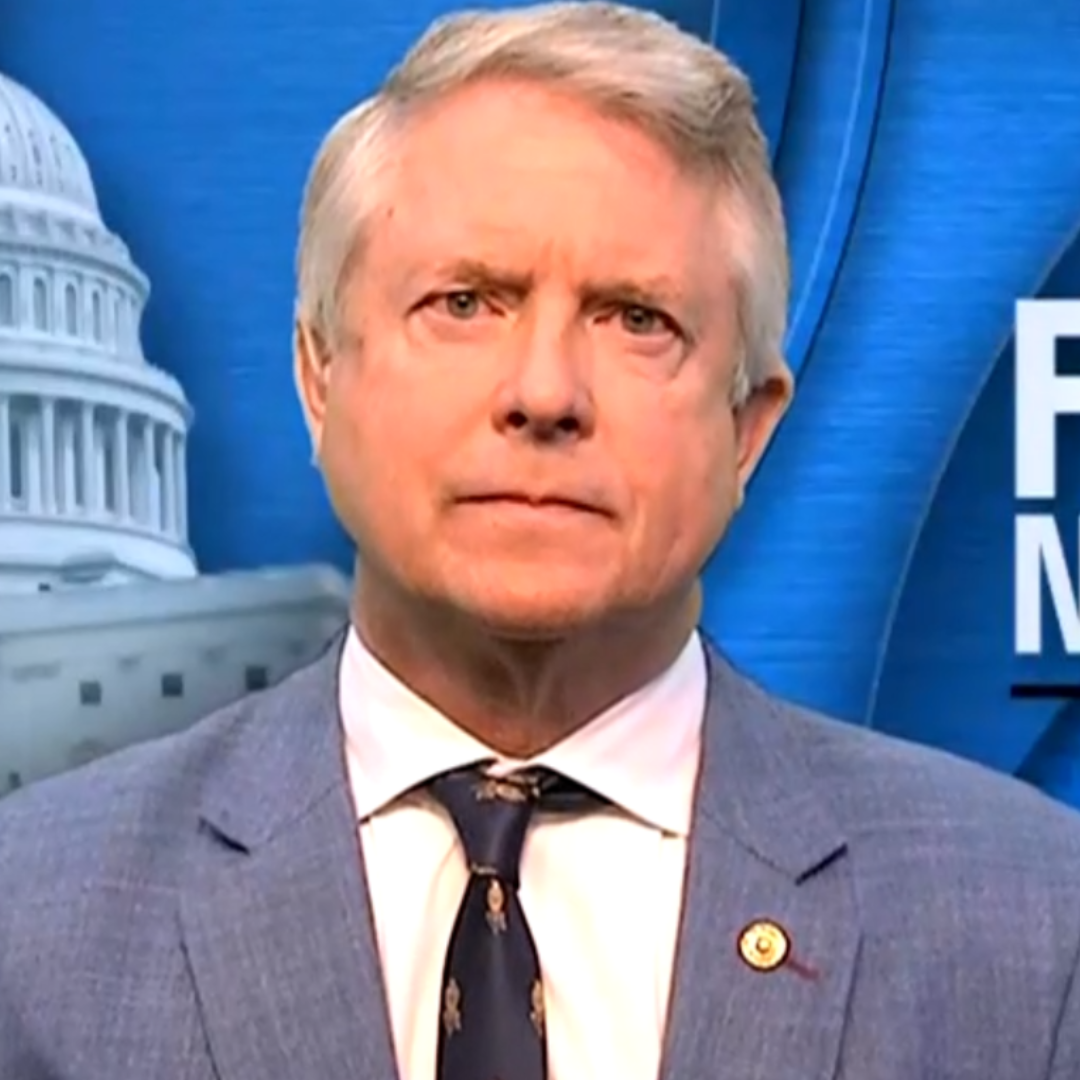
Senator Roger Marshall Discusses Vaccine Policies and Public Health Concerns
In a recent interview on "Face the Nation with Margaret Brennan," Republican Senator Roger Marshall of Kansas shared his views on vaccine policies, public health, and the role of government in healthcare decisions. His comments sparked a detailed discussion about the balance between individual choice and public health mandates.
The Role of the CDC and Vaccine Transparency
Marshall addressed concerns raised by fellow Republicans, including Senate Majority Whip John Barrasso and Senate Committee Chair Bill Cassidy, who criticized the current administration’s approach to vaccines. He emphasized that President Trump’s appointment of Robert F. Kennedy Jr. as HHS Secretary was aimed at increasing transparency within the CDC. Marshall argued that the CDC has lost public trust due to its handling of the pandemic, particularly during the early stages when misinformation and inconsistent guidance were prevalent.
He acknowledged the importance of vaccines but expressed skepticism about the necessity of every vaccine for every individual. “Not every person needs every vaccine,” he said, adding that some children may not require 76 shots by the time they reach voting age. However, he quickly clarified that he is not against vaccines, citing his support for polio and MMR vaccines, which have saved countless lives.
Vaccines and the Pandemic Context
Marshall defended the effectiveness of Operation Warp Speed, which accelerated the development of the Covid-19 vaccine under the Trump administration. He praised the initiative, calling it one of the most significant achievements of the previous administration. However, he also pointed out that the situation today is different from five years ago, with many Americans having natural immunity from multiple infections.
He suggested that the need for vaccines has evolved, and not everyone requires them. This perspective led to a discussion about the current challenges in accessing vaccines, with some individuals reporting difficulties in obtaining shots due to new policies. Marshall dismissed these concerns, comparing the process to getting a prescription for other medications like GLP-1 drugs.
Hepatitis B Vaccine and Individualized Care
A key point of contention was the Hepatitis B vaccine for newborns. While some medical professionals argue that all infants should receive the vaccine, Marshall expressed reservations. He highlighted that not every baby is at risk of contracting Hepatitis B, especially if the mother is healthy and in a stable relationship. He emphasized the importance of individualized care, suggesting that doctors and parents should make decisions based on specific circumstances rather than a one-size-fits-all approach.
Marshall also raised concerns about the potential impact of vaccines on a newborn's immune system, though he did not provide specific evidence to support this claim. He stressed the need for more targeted approaches to vaccination, rather than blanket recommendations.
Broader Implications for Public Health Policy
The conversation touched on broader issues in public health, including the rise in childhood obesity, mental health challenges, and the use of prescription drugs among adolescents. Marshall argued that these issues deserve more attention than the ongoing debate over vaccines.
He also criticized the politicization of public health, suggesting that some leaders have contributed to vaccine hesitancy. While he acknowledged the complexity of the issue, he maintained that local decision-making and common sense should guide healthcare policies.
Final Thoughts on Medication Use During Pregnancy
The interview concluded with a discussion about the use of Tylenol during pregnancy. Marshall described it as a Category-B drug, which means it is generally considered safe. However, he urged caution, noting that the long-term effects of certain medications are still unknown. He emphasized the need for further research to better understand the risks and benefits of medication use during pregnancy.
Throughout the conversation, Marshall advocated for a more personalized approach to healthcare, emphasizing the importance of empowering doctors, parents, and patients to make informed decisions. His perspective reflects a broader ideological divide in the debate over vaccine policies and public health mandates.

Post a Comment for "Sen. Roger Marshall on "Face the Nation" – Sept. 7, 2025"
Post a Comment