San Anselmo Reverses Paid Parking Plan Amid Community Outcry
Community Voices Lead to Repeal of Paid Parking System in San Anselmo
After months of frustration from local business owners and residents, the city of San Anselmo has officially repealed its paid parking system. The decision came as a result of community feedback and concerns about the new app-based payment method, which many felt was not accessible or user-friendly for all residents.
The implementation of the paid parking system had been met with resistance from the business community, who claimed that it was driving away customers. Business owners argued that the requirement for a credit card or smartphone to pay for parking created a barrier for many, especially the elderly population. This led to widespread dissatisfaction and calls for change.
Derek Mitchell, owner of Marin Outdoor Trading Company, described the challenges faced by some residents. He noted that people were trying to take pictures of the signs to understand how to pay, but ultimately gave up and left. “Two people right next to each other just gave up and drove away,” he said.
This issue wasn’t isolated to one location. The same pattern was observed along San Anselmo Avenue, where businesses began to experience a decline in customers. Pat Townsley, owner of Creekside Pizza and Taproom, shared his experience with the new system. He received hate mail from angry customers and reported losing approximately $1,000 per day since the program began. “We saw it fall off right away,” he said, noting that the decline started after the test period in June.
On September 11, merchants gathered for a special meeting with the town council, expecting a battle over the parking system. Instead, they found the council ready to listen and make changes. Councilmember Steve Burdo admitted that the approach taken was not the right one. “We said we're open to making changes, and tonight is the opportunity to make some of those changes,” he said.
Councilmember Eileen Burke criticized the payment kiosks, calling them “horrible” and acknowledging that the program was badly executed. Councilmember Chantel Walker expressed concern about the impact on the town’s economic vitality. “I want us to come back. I don't want us to be a town where we make the newspaper and the TV because of our parking,” she said.
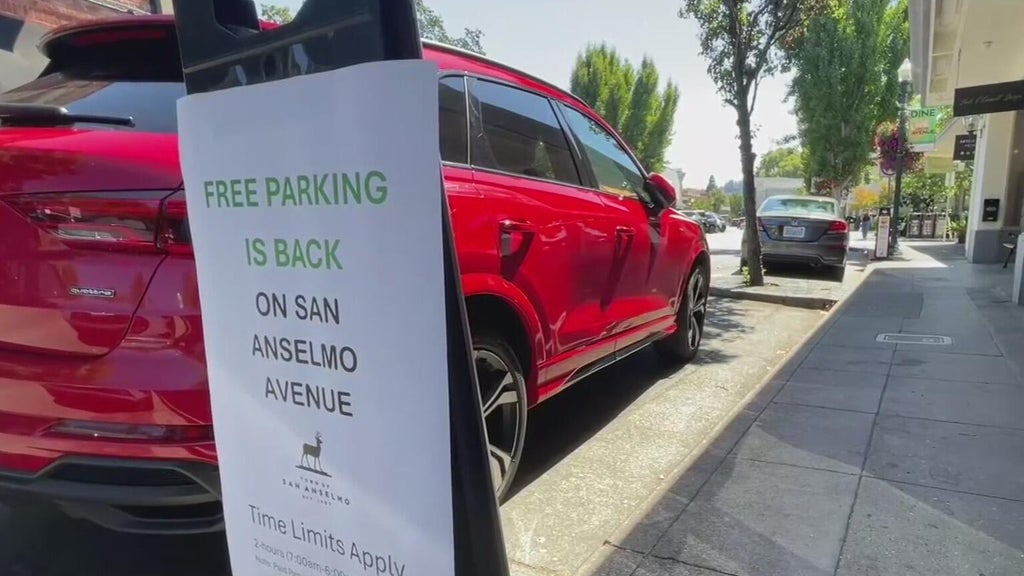
The council voted unanimously to repeal the entire program. By the following morning, the pay meters were covered, and signs announced the return of free two-hour parking. Although the town still owes $86,000 for the machines, this amount will be gradually repaid through the revenue generated by the existing paid parking lots.
Business owners are now expressing appreciation for the swift response from the city leaders. Pat Townsley called the situation “pretty unique,” highlighting the immediate attention given to community concerns. Benedetto Cico, president of the Chamber of Commerce, agreed, stating that the town listened to the people and took action.
The paid parking system was initially expected to generate around $27,000 per month. However, during June, July, and August, the program only averaged about $10,000 per month. The system was introduced to fund better enforcement of the two-hour parking limit. Now, the town must find alternative ways to manage parking without alienating its customers.
Overall, the situation in San Anselmo highlights the importance of community input and the need for policies that are inclusive and accessible to all residents. The town’s ability to quickly address concerns and make necessary changes demonstrates a commitment to serving its community effectively.

Post a Comment for "San Anselmo Reverses Paid Parking Plan Amid Community Outcry"
Post a Comment