Rich nations could face financial responsibility for climate change
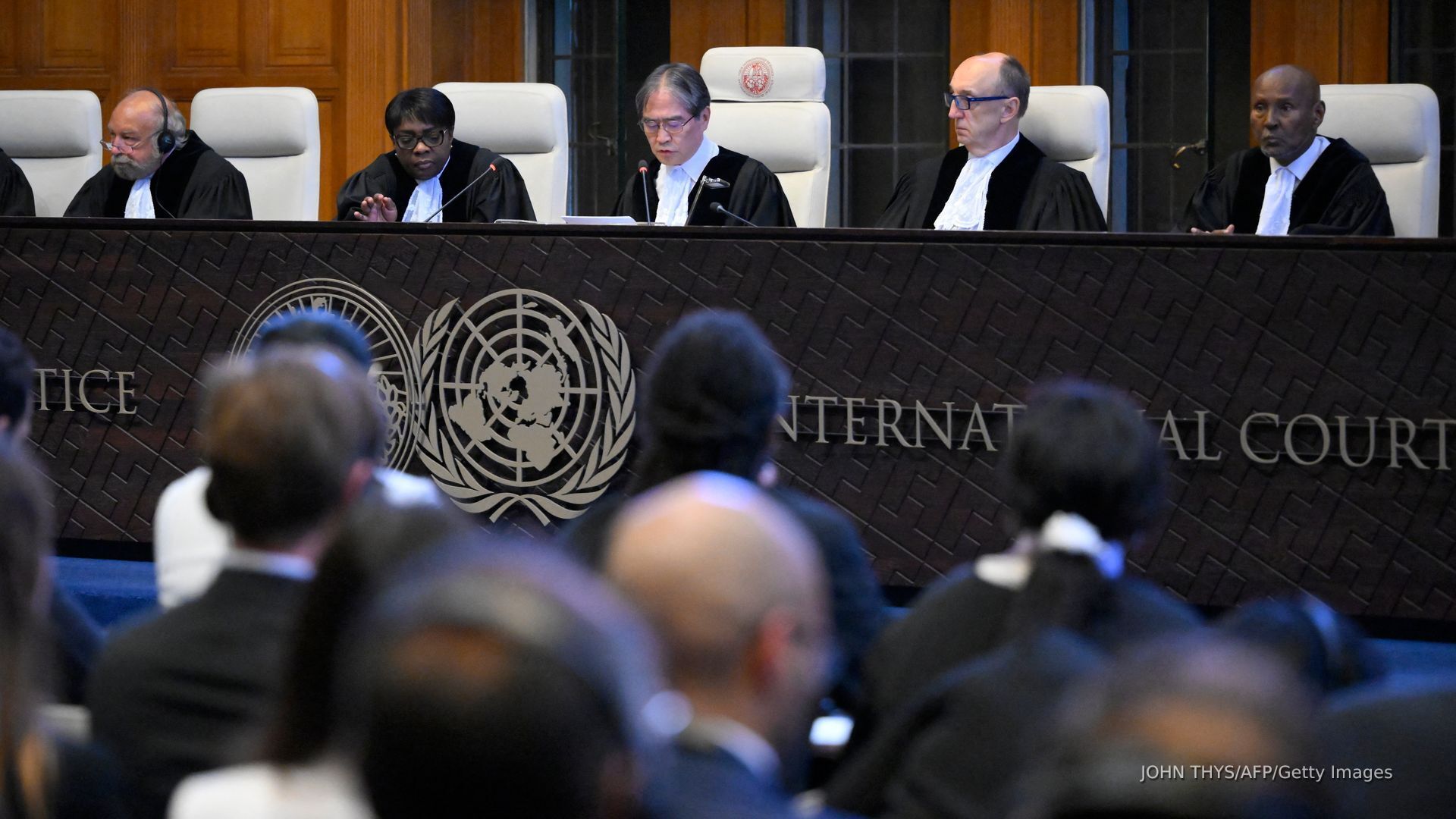
The International Court of Justice and Climate Change
The International Court of Justice (ICJ) has issued a significant advisory opinion stating that countries may be violating international law if they fail to adequately protect the planet from climate change. This ruling also suggests that nations most affected by climate change could be eligible for reparations from wealthier countries.
During the hearing, court President Yuji Iwasawa emphasized that "failure of a state to take appropriate action to protect the climate system ... may constitute an internationally wrongful act." This statement highlights the legal implications of inaction on climate change and opens new avenues for legal challenges.
Legal Implications and Domestic Courts
This ruling empowers climate change activists to potentially sue their own governments for not adhering to the court's decision. Michael Gerrard, professor and director of the Sabin Center for Climate Change Law at Columbia Law School, noted that the ICJ's opinion gives domestic courts the ability to issue binding decisions on their countries and companies within them.
While the decision is an advisory opinion, it serves as a critical legal tool for advocates pushing their governments to take more aggressive action on climate change. The court's ruling encourages major polluters to meet and maintain the standards set by the 2015 Paris Agreement, an international treaty adopted by 195 parties.
Major Polluters and Financial Assistance
China is currently the world's top polluter, followed by the United States. With this ICJ ruling, both China and the U.S., along with other countries, may be compelled to provide financial assistance to nations like Vanuatu, a Pacific Island nation that led the court case. Activists from Vanuatu celebrated the victory, calling the advisory opinion a strong tool for climate justice.
Vishal Prasad, a law student who lobbied Vanuatu to bring the case, expressed his enthusiasm about the ruling, emphasizing its potential to advance the fight for climate justice.
Impact on the United States
The U.S., under the Trump administration, has taken steps to withdraw from international climate agreements, such as the Paris Agreement. This has made the U.S. less inclined to adopt policies focused on climate change, potentially limiting the direct impact of the ICJ ruling on the country.
Gerrard pointed out that U.S. courts have historically been reluctant to follow decisions by international tribunals in similar cases. While the ruling may affect the operations of U.S. companies abroad, it puts some diplomatic pressure on the U.S. to do more. However, the current administration has shown little interest in addressing these pressures.
The White House responded to the ruling, reaffirming its commitment to prioritizing the interests of American citizens. Additionally, the administration is drafting a measure that would revoke the federal government's power to regulate greenhouse-gas emissions, making it harder to access climate change data.
What Happens Next?
The next steps will depend on each country's willingness to take further action on climate change. Joana Setzer, Associate Professor at the Grantham Research Institute on Climate Change & the Environment, stated that the ICJ's advisory opinion reinforces the legal duties of states to act on climate change.
By anchoring these obligations in human rights law and scientific consensus, the court affirms that governments must cut their own emissions and ensure companies follow suit. This lays a strong legal foundation for holding states and major emitters accountable in future litigation.
Recent Litigation and Legal Precedents
For several years, activists have filed lawsuits against their governments over climate change. Greta Thunberg joined hundreds of others in a lawsuit against Sweden, but the country's top court rejected the suit. In contrast, a group of Swiss women successfully brought a lawsuit against their government, claiming that the government had violated human rights by failing to take sufficient action to curb climate change.
Gerrard emphasized that the ICJ's ruling underscores the importance of a stable climate system for realizing fundamental human rights, including the right to life and food. He highlighted the obligation of every country to fight climate change.
Domestic Actions and Future Steps
Domestically, Hawaii recently settled a lawsuit with 13 young people who alleged the state didn't do enough to reduce greenhouse gas emissions. The settlement included requirements that the state take specific actions, even if it forced them to raise taxes to execute the agreement.
The next United Nations climate conference is set for November in Belém, Brazil. Brazil ranks among the top ten worldwide polluters, highlighting the global nature of the climate crisis and the need for coordinated international efforts.

Post a Comment for "Rich nations could face financial responsibility for climate change"
Post a Comment