Redford's Enduring Legacy in Environmental and Native American Causes
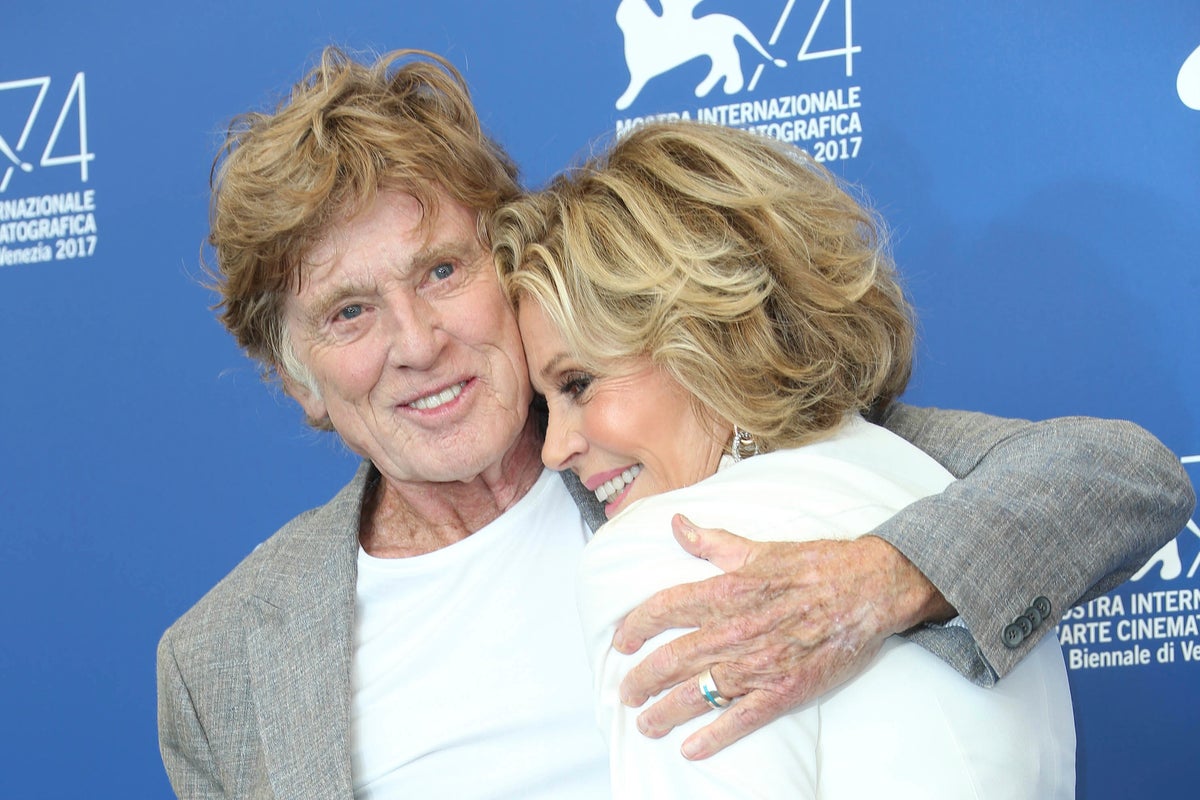
A Legacy of Activism and Artistry
Lorie Lee Sekayumptewa, a former administrator with the Navajo Nation Film Office, recalls the time she saw Robert Redford at traditional cultural dances in the Hopi village of Hotevilla in New Mexico. This was more than 30 years ago, when Redford was serving as executive producer of the 1991 film “The Dark Wind,” a drama that explored Navajo life. Redford stood out not just for his Hollywood looks, but for his un-Hollywood behavior—his earnest desire to learn about the tribe’s spiritual knowledge and his visits to the Navajo Nation, where Sekayumptewa’s father served as the dean of students at the tribal college.
During these visits, Redford would often bring his camera home, set up a sheet, and invite neighbors and children to gather in the living room to watch his films. Sekayumptewa, who is Navajo, Hopi, and Sac and Fox Nation, remembers how they all became fans of Redford.
Redford, who passed away at the age of 89, was not the only liberal activist to emerge from Hollywood, but few matched his depth of knowledge, focus, humility, and dedication. Those who knew him or worked alongside him spoke of his extraordinary legacy, particularly his long-standing advocacy for Native Americans and the environment, which began during the peak of his stardom.
In the mid-1970s, while appearing in blockbusters like “The Sting” and “The Way We Were,” Redford immersed himself in the environmental movement. He successfully opposed the construction of a power plant in Utah and lobbied for landmark legislation such as the Clean Air Act and the Clean Water Act. He also joined the board of the non-profit Natural Resources Defense Council (NRDC), where he remained a guiding force until his death.
“His legacy was extraordinary,” says Manish Bapna, CEO and President of NRDC. “One of the things that was most extraordinary about him was that he understood the power of storytelling. He could talk about climate change and its impact on people and communities—like a fisherman coping with rising seas or a family fleeing a wildfire. He would record messages, give talks, or speak in front of Congress.”
Bapna last met Redford a few months ago in New York City. “He chose his words carefully, and every word he said was profound. He told us we must continue to find ways to tell stories that reach people,” Bapna recalled.
Redford had a lifelong passion for the environment. Growing up in Southern California in the 1930s and 1940s, he was deeply affected by the pollution and traffic that transformed Los Angeles after World War II. In the early 1960s, during a cross-country motorcycle trip, he came upon Provo Canyon, Utah, and was so moved by its beauty that he eventually settled there.
Over time, entertainers have become associated with various causes—Harry Belafonte with civil rights, Paul Newman with nuclear disarmament, Jane Fonda with the Vietnam War. Redford helped make the environment a priority for Hollywood elites, influencing figures like Julia Louis-Dreyfus and Leonardo DiCaprio, who called Redford’s death “a huge loss to our community.” DiCaprio noted, “More so than anything, he was a staunch environmental leader.”
In 2013, Redford partnered with then-Governor Bill Richardson to create the Foundation to Protect New Mexico Wildlife, which fought against efforts to slaughter horses. The following year, the foundation reached an agreement with the Navajo Nation to manage wild horses on the reservation and prevent them from being sent to slaughterhouses.
For Redford, wild horses symbolized the American West. His activism extended to his film projects, including “All the President's Men,” “The Candidate,” and “The Milagro Beanfield War,” where a local resident battles a real estate mogul for control of his land. His final work was the AMC series “Dark Winds,” which premiered in 2022 and is based on Tony Hillerman’s fiction.
John Wirth, the showrunner of “Dark Winds,” emphasized that the series wouldn’t exist without Redford, who served as an executive producer and made a cameo appearance. The show offers a glimpse into the Navajo community, featuring actors and writers with Native identities.
“Redford endeavored to give people a shot at making art, you know, where they maybe hadn’t had the ability to have access to mainstream media,” Wirth said.

Post a Comment for "Redford's Enduring Legacy in Environmental and Native American Causes"
Post a Comment