Powerball Obsession: How Much Americans Bet on the Lottery
The Power of the Lottery: A National Obsession
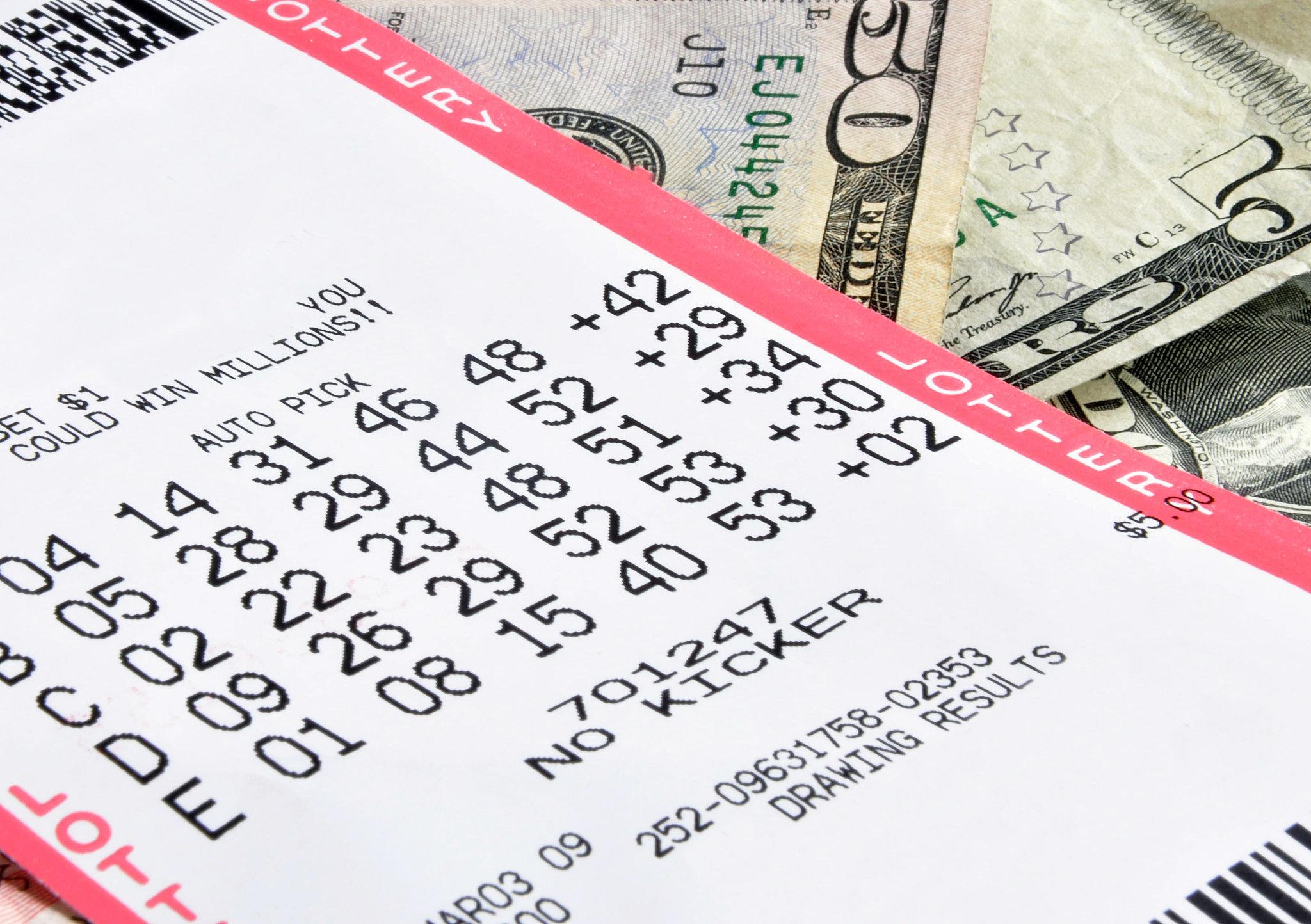
With a $1.8 billion Powerball jackpot at stake, it seems like half the nation is playing the lottery. And, as it turns out, that's more or less true. According to a September 2 analysis from LendingTree, an average American spends $320 a year on lottery tickets. This figure highlights how deeply ingrained the lottery has become in American culture.
Massachusetts residents spend the most, with an impressive $915 per person annually. In contrast, North Dakotans spend the least, only $50 per person. These figures come from 2023, the most recent data available, and cover 45 states with lotteries. Americans spent a total of $103 billion on lottery tickets in 2023, but only $69 billion was paid out as prizes.
Powerball isn't for everyone. A recent report from The Motley Fool suggests that roughly half of U.S. adults buy at least one lottery ticket a year. Most players tend to buy tickets only when jackpots reach large amounts, which often leads to increased participation.
The odds of winning the Powerball jackpot are incredibly slim—1 in 292 million. The largest jackpot in history was $2.04 billion, won in November 2022 by Edwin Castro of California, who opted for a lump sum of $998 million after taxes. However, winners often end up with significantly less due to taxes and other expenses.
On the whole, the lottery is a losing proposition for players. Every state pays out less in winnings than it collects in sales. In Massachusetts, for example, lottery losses per capita total $232. David Meier, a senior investment analyst at Motley Fool, describes the lottery as "essentially a tax on people who don’t understand statistics and probability."
Another recent report from The Motley Fool notes that the overall odds of winning any prize in Powerball are about 1 in 25. The prize with the best odds is $4. The report suggests that one would need to spend about $50 in lottery tickets, at $2 apiece, just to hope to win something—and chances are you would only win $4.
Five states have no lottery: Alabama, Alaska, Hawaii, Utah, and Nevada. Despite this, lotteries seem particularly popular in the Northeast. Of the 10 states with the most per-capita lottery spending, four are located in that region. Matt Schulz, chief consumer finance analyst at LendingTree, comments that "it’s pretty clear that the Northeastern United States is the lottery-spending capital of the country." He attributes this to urban environments and easy access to convenience stores.
State Revenue and Player Losses
State governments use lotteries to raise money, which they then use to fund education and infrastructure. Nationwide, lottery funds make up about 1% of general-fund revenue in participating states. In some states, such as Rhode Island, South Dakota, and West Virginia, the lottery accounts for fully 3% of that revenue.
States often promote lotteries as a way for consumers to support public schools. However, it's important to note that states would still need to support public schools regardless of lottery proceeds. As Investopedia points out, "the state’s gain is the lottery player’s loss." Nationwide, lotteries pay out barely two-thirds of ticket revenues in prize money.
Despite these odds, powerful human psychology drives lottery play. Buying a Powerball ticket allows people to dream about what they would do with the money if they won. For instance, Edwin Castro, the $2 billion Powerball winner, bought a mansion in the Hollywood Hills and a vintage Porsche.
“It’s fun,” says Meier. “There is something to be said for having a chance at immediate, amazing, life-changing wealth.”
However, research shows that lotteries can pose a financial burden on low-income Americans, who tend to spend more of their income on tickets. Schulz advises that "as long as it’s not your financial plan and you don’t spend too much money on it, too often," it can be enjoyable. But he warns that spending $100 a week on lottery tickets is significant for those on tight budgets.
Top-Spending Lottery States
Here is a breakdown of the 10 top-spending lottery states:
- Massachusetts: Per-capita lottery spending is $915, with 69% returned as payouts.
- Rhode Island: Per-capita lottery spending is $573; 32% is returned as payouts.
- Virginia: Per-capita lottery spending is $532; 74% is returned as payouts.
- Georgia: Per-capita lottery spending is $520; 67% is returned as payouts.
- New York: Per-capita lottery spending is $481; 52% is returned as payouts.
- Connecticut: Per-capita lottery spending is $469; 66% is returned as payouts.
- Michigan: Per-capita lottery spending is $468; 65% is returned as payouts.
- West Virginia: Per-capita lottery spending is $441; 21% is returned as payouts.
- South Carolina: Per-capita lottery spending is $437; 67% is returned as payouts.
- Maryland: Per-capita lottery spending is $432; 64% is returned as payouts.

Post a Comment for "Powerball Obsession: How Much Americans Bet on the Lottery"
Post a Comment