Pilates for RA: 20-Minute Joint-Friendly Routine
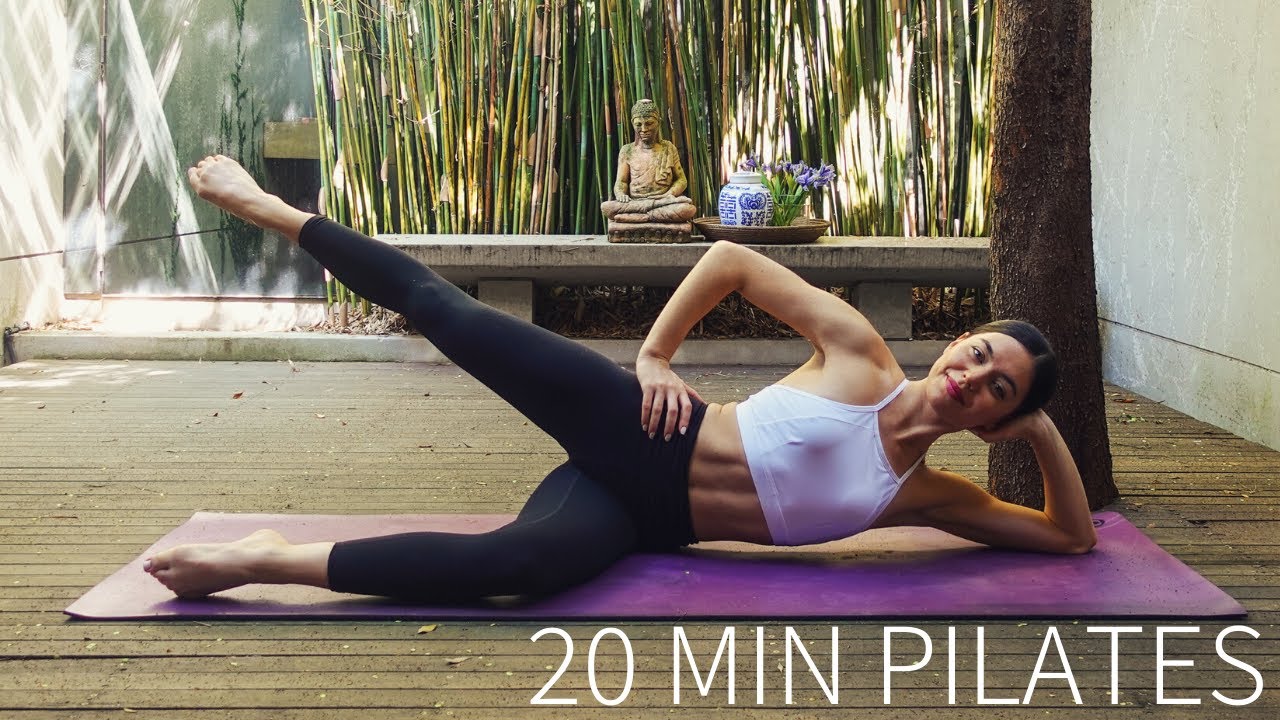
Pilates for People with Rheumatoid Arthritis
Pilates is a low-intensity muscle-strengthening workout that can be particularly beneficial for individuals living with rheumatoid arthritis (RA). Many people with RA avoid exercise due to concerns about joint damage, but experts emphasize that staying active is essential for managing symptoms and improving overall well-being. According to Vagishwari Murugesan, MBBS, a rheumatologist at Trillium Health Partners and an adjunct lecturer at the University of Toronto, exercise can help reduce inflammation, which may alleviate joint pain associated with RA.
Research supports the idea that all forms of physical activity contribute to reducing inflammation in the body. For those with RA, it's important to choose exercises that are both challenging and gentle on the joints. Pilates fits this criterion perfectly, as it engages multiple muscle groups while being low-impact. This makes it an excellent option for maintaining strength and mobility without exacerbating joint issues.
A 20-Minute Pilates Workout for RA
Alyson Mackay, DPT, a physical therapist and certified Pilates instructor at Hospital for Special Surgery in New York City, has developed a 20-minute Pilates routine tailored for people with RA. The six exercises in this routine are designed to build upon one another, gently strengthening muscles from head to toe. It's crucial to listen to your body during these movements. Some muscle soreness is normal, but sharp pain or extreme fatigue after the workout indicates that you may need to adjust the intensity or frequency of your sessions.
If you experience neck pain, Mackay recommends using a pillow to support your head, neck, and shoulders for added comfort. Before starting any new exercise program, especially if you have RA, it’s advisable to consult with your doctor to ensure the routine is safe for your specific condition.
Equipment and Warm-Up
This Pilates routine requires minimal equipment—just a mat or a comfortable surface. However, additional tools like a stability ball, Pilates ring, or resistance bands can be used to increase difficulty as you progress. While a warm-up isn't strictly necessary for this routine, Mackay suggests starting with some gentle stretches, such as knees-to-chest movements, to prepare your body for the exercises.
Frequency and Routine Integration
It's recommended to perform this Pilates workout one to two times per week as part of a well-rounded fitness plan. This should include resistance training, stretching, and cardiovascular activities. Murugesan emphasizes the importance of a balanced approach, suggesting a weekly schedule that includes:
- Cardiovascular exercise for one to two days
- Traditional strength training for one to two days
- Activities focused on balance and flexibility, such as Pilates, for one to two days
Detailed Exercise Breakdown
-
Pelvic Clock
Lie on your back with your knees bent and feet flat on the floor. Imagine your pelvis as a clock face and visualize rolling a marble around it by tilting your pelvis. Move from 12 to 6 and back again, then from 3 to 9 and back. Complete five rotations in each direction, keeping your spine neutral. -
Pilates Bridge
Start on your back with knees bent and feet flat. Engage your abs and push through your heels to lift your hips into a diagonal line from head to knees. Hold for 30 seconds, then lower. Repeat for three sets. If needed, use a stability ball or Pilates ring for added challenge. -
Clamshell
Lie on one side with knees bent and heels together. Lift your top leg while keeping your hips and back still. Perform two to three sets of 10 reps on each side. Add a resistance band for increased difficulty. -
Side-Lying Fire Hydrant
Lie on your side with knees bent. Lift your top leg toward the ceiling without moving your hips or back. Complete two to three sets of 10 reps on each side. Adjust position as needed for comfort. -
Scapular Squeeze
Begin on your hands and knees. Gaze at the floor and engage your core. Squeeze your shoulder blades together and apart for 10 reps. If wrist pain occurs, try balancing on fists or using dumbbells. -
Bird Dog
Start on your hands and knees. Extend one arm and the opposite leg while keeping your spine neutral. Return to the starting position and repeat with the other side. Perform two sets of eight reps per side.
Final Thoughts
Pilates offers a safe and effective way for people with RA to build strength, reduce inflammation, and manage pain. This 20-minute routine is designed to be gentle yet impactful, making it accessible for most individuals. Always consult with your healthcare provider before beginning any new exercise regimen, and adjust the intensity based on your comfort level. With consistent practice, Pilates can become a valuable tool in your RA management plan.

Post a Comment for "Pilates for RA: 20-Minute Joint-Friendly Routine"
Post a Comment